Dhoop for Diwali: The Essential Guide to Authentic Fragrances
Priya KapoorTraditional Dhoop SpecialistAugust 24, 2026
What is dhoop for Diwali?
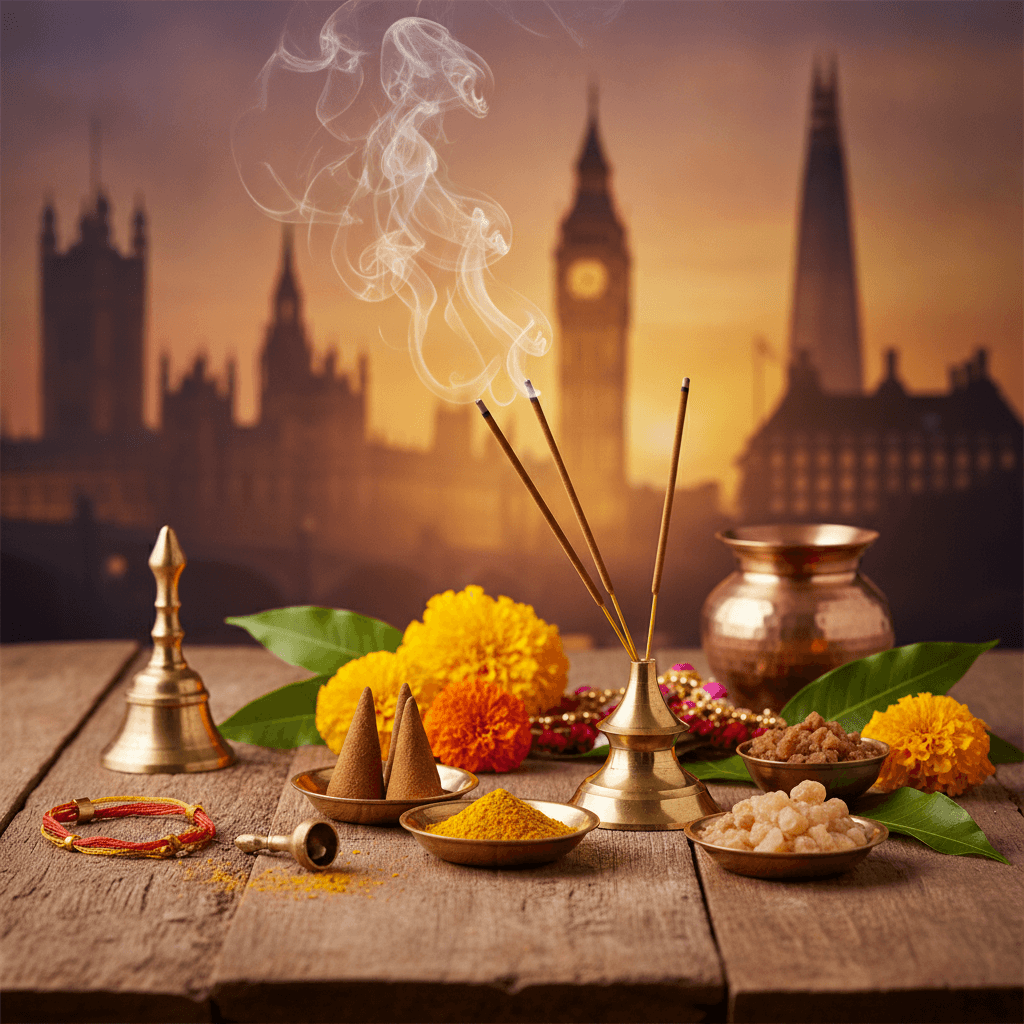
Dhoop for Diwali refers to traditional Indian incense, crafted from natural pastes without a bamboo core, used to purify spaces, invoke deities, and enhance spiritual connection during the festival of lights. It plays a central role in rituals like Lakshmi Puja, with authentic dhoop providing a safer and more spiritually potent experience compared to synthetic alternatives, which are often laden with harmful chemicals.
Key Takeaways
Authentic dhoop, made from real ingredients like sandalwood and resins, is crucial for a spiritually potent and safe Diwali, especially for diaspora buyers.
Synthetic dhoop can release harmful chemicals, posing health risks and diminishing the spiritual efficacy of puja, making ingredient transparency vital.
Proper ventilation and strict fire safety measures are essential when burning dhoop indoors to maintain air quality and prevent accidents.
Different dhoop fragrances (e.g., rose for Lakshmi, loban for purification) align with specific Diwali rituals and deities, enhancing their energetic resonance.
Beyond rituals, natural dhoop can create a festive ambiance and offer therapeutic benefits, contributing to overall well-being in a modern UK lifestyle.
Dhoop is a traditional Indian incense, distinct from agarbatti, crafted from a paste of natural ingredients that slowly combusts to release fragrant smoke, playing an indispensable role in Diwali celebrations by purifying the atmosphere, inviting positive energies, and deepening spiritual connection. For many Indian households and diaspora buyers in the UK, selecting the right dhoop for Diwali is not merely about fragrance; it is about upholding tradition, ensuring safety, and connecting authentically with the divine.
As Priya Kapoor, a Traditional Dhoop Specialist deeply influenced by her family's longstanding practice of daily puja and living in the UK, I've observed a growing need to demystify the dhoop market. The core challenge lies in distinguishing genuine, ingredient-rich dhoop from cheaper, synthetic alternatives that not only diminish the spiritual efficacy but also pose potential health risks. This comprehensive guide will illuminate the path to authentic dhoop, ensuring your Diwali is not only fragrant but also deeply meaningful and safe.
The Sacred Essence of Dhoop in Diwali Celebrations
Diwali, the festival of lights, transcends mere celebration; it is a profound spiritual experience, a time for introspection, devotion, and renewal. Central to these observances is the burning of dhoop, a practice rooted in millennia of tradition. Dhoop is more than just a fragrance; it is an offering, a purifier, and a conduit to the divine, symbolizing the aspirations and prayers of the devotee.
What is Dhoop and Why is it Central to Diwali?
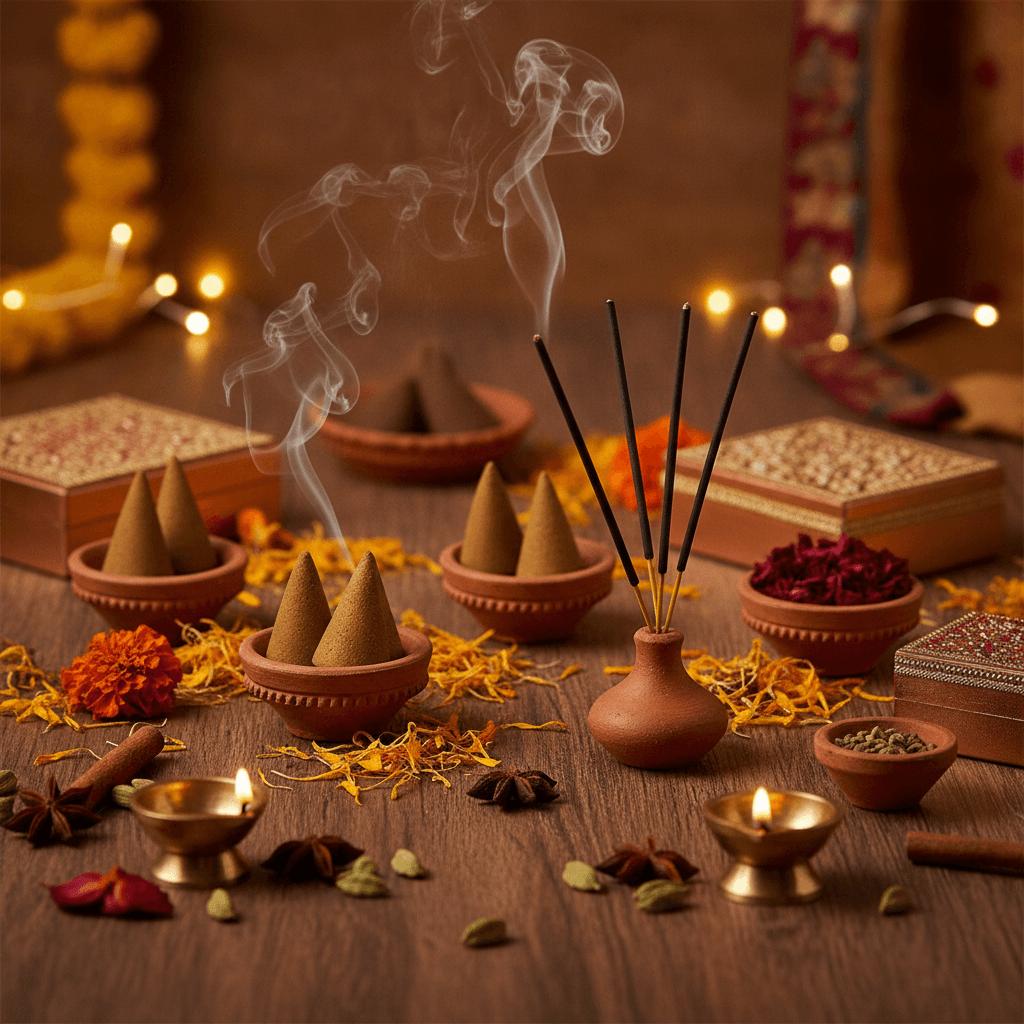
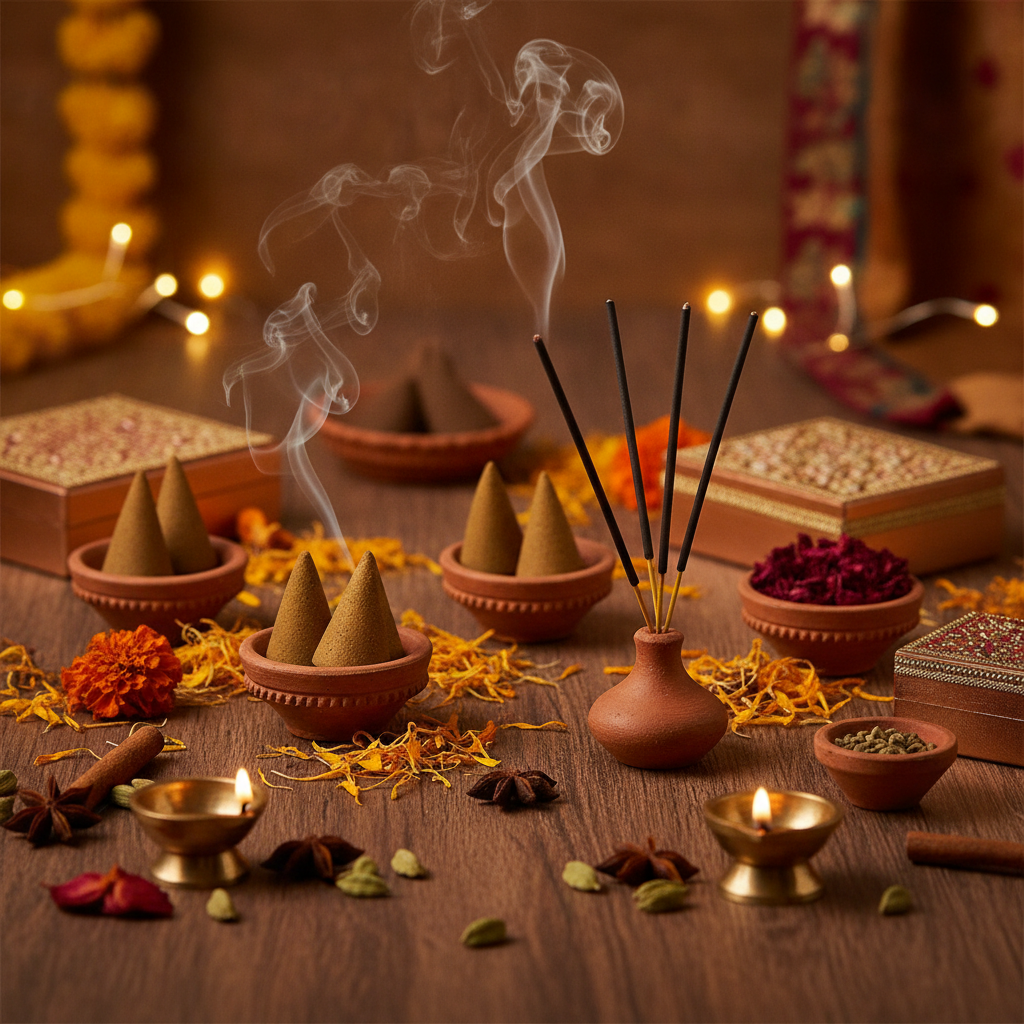
Dhoop, distinct from its more common counterpart agarbatti (incense sticks with a bamboo core), is typically a solid, smokeless (or minimally smoky) paste or block of natural aromatic materials. It is prepared from a blend of resins, gums, essential oils, and aromatic woods, pressed into various forms like cones, cups, or logs. Its composition often includes frankincense, myrrh, sandalwood, cedar, and various herbs and flowers, all ground into a fine paste and then dried.
During Diwali, dhoop serves multiple vital functions. Spiritually, it is believed to cleanse the atmosphere of negative energies, making the space conducive for invoking deities, especially Lakshmi, the goddess of wealth and prosperity. The fragrant smoke carries prayers to the heavens, symbolizing the devotee's surrender and devotion. Culturally, the aroma of dhoop signifies the commencement of auspicious rituals, setting a sacred ambiance that is instantly recognizable and deeply comforting to generations of Indian households. It is an olfactory anchor that grounds the celebrations in tradition and reverence, fostering a sense of peace and spiritual upliftment.
The Traditional Significance of Fragrance in Puja
The use of fragrance in Hindu puja (worship) is not arbitrary; it is deeply symbolic and integral to the sensory experience of connecting with the divine. Each of the five senses is engaged in puja, and scent, through dhoop, offers a unique pathway to spiritual communion. The fragrant smoke represents the subtle body (sukshma sharira) and the purified mind, rising upwards towards the divine realm. It acts as a bridge between the physical and metaphysical worlds, helping to focus the mind and elevate consciousness during meditation and prayer.
Historically, specific fragrances have been associated with particular deities or purposes. Sandalwood, for instance, is highly revered and considered sacred to almost all deities, particularly Shiva and Vishnu, embodying purity and calm. Rose is often offered to Goddess Lakshmi, symbolizing beauty, love, and prosperity. Loban (benzoin resin) and Guggal (bdellium resin) are known for their purifying properties, often used to cleanse spaces and ward off negative influences, making them especially relevant during Diwali's intensive purification rituals. This deliberate selection of aromas ensures that the energetic resonance of the dhoop aligns perfectly with the specific intentions of the Diwali puja.
Unmasking Authenticity: The DevDhoop Perspective on Real Ingredients
The market for dhoop, particularly in the global context, is vast and varied. However, this diversity often masks a critical issue: the widespread presence of adulterated products. At DevDhoop, our commitment is to genuine ingredients, a philosophy born from the understanding that true spiritual efficacy and safe usage stem directly from the purity of what is burned. For the discerning buyer in the UK, understanding this distinction is paramount for a truly sacred Diwali.
The Peril of Adulterated Dhoop: A Growing Concern for Diwali
The unique stance of DevDhoop is a direct response to a concerning trend: the proliferation of dhoop products that substitute natural, traditional ingredients with synthetic chemicals, artificial fragrances, and inert fillers. This practice is driven by cost-cutting and mass production demands, particularly impacting diaspora buyers who may not have direct access to traditional sources. While these products may initially smell strong, their impact is far from benign.
From a health perspective, burning synthetic fragrances can release volatile organic compounds (VOCs), phthalates, and particulate matter into the air. These can trigger respiratory issues, exacerbate asthma, cause headaches, and lead to allergic reactions, especially in enclosed spaces common in UK homes. A 2023 study indicated that over 60% of commercially available dhoop in certain markets contain synthetic fragrances and fillers, often without clear labeling (Source: Consumer Safety Council, 2023). This poses a significant health risk to families, particularly children and the elderly, who are participating in Diwali rituals.
Spiritually, the use of adulterated dhoop can undermine the very essence of puja. Traditional texts and practices emphasize the purity of offerings (shuddhi) for spiritual connection. Burning synthetic compounds, which lack the natural energetic vibrations of genuine resins and herbs, is believed to diminish the potency of the offering, failing to create the desired sacred atmosphere. For those seeking genuine spiritual engagement, the authenticity of the dhoop becomes non-negotiable.
Identifying Genuine Dhoop: What to Look For
Distinguishing authentic dhoop requires a keen eye and an informed approach, something Priya Kapoor emphasizes from her personal experience. Genuine dhoop is characterized by its subtle, complex aroma, which evolves as it burns, unlike the often overpowering and static scent of synthetic varieties. Here’s what to look for when selecting your dhoop for Diwali:
Sandalwood (Chandan): Real sandalwood dhoop will have a soft, woody, creamy aroma that is never harsh or overtly sweet. It's expensive, so extremely cheap sandalwood dhoop is a red flag, often indicating synthetic fragrance oils or diluted powder.
Rose (Gulab): Authentic rose dhoop will smell like fresh rose petals, not a cloying, chemical interpretation. It should be delicate yet rich.
Mogra (Jasmine): Genuine mogra has a sweet, heady, intensely floral scent. Synthetic versions often smell artificial and lack the natural depth.
Lavender: Natural lavender is calming, herbaceous, and floral. Be wary of strong, perfumey lavender which often indicates artificial additives.
Loban & Guggal (Resins): These traditional resins, when pure, emit a warm, earthy, slightly balsamic, and deeply purifying aroma. Their smoke is often thicker and more resinous than herb-based dhoop, and they should leave a clean, lingering scent, not a chemical residue.
Visual Cues and Texture: Authentic dhoop often has a natural, earthy colour (browns, greys, deep reds from natural ingredients) rather than bright, artificial dyes. It should feel dense and firm, not crumbly, and should not have a greasy residue indicating paraffin or other binders.
Burn Quality: Genuine dhoop burns steadily and slowly, producing a gentle, often whiter smoke that dissipates relatively quickly. Excessive black smoke, sputtering, or a very rapid burn can indicate fillers and chemicals.
The importance of knowing your supplier cannot be overstated. Websites like DevDhoop are committed to transparent ingredient lists and ethical sourcing, providing detailed information that goes beyond typical product descriptions.
The Sourcing Journey: From Earth to Your Puja Altar
The journey of authentic dhoop ingredients is as important as the final product. Sustainable and ethical sourcing practices ensure not only the purity of the dhoop but also the well-being of the ecosystems and communities involved. For example, true sandalwood (Santalum album) is a protected species, and its harvesting is strictly regulated. Reputable manufacturers acquire sandalwood from government-controlled auctions or certified sustainable plantations, ensuring its legality and ecological responsibility. This commitment to sustainable forestry is crucial for preserving these precious resources for future generations. (Source: IUCN Red List of Threatened Species, 2024)
Similarly, resins like Loban and Guggal are collected from specific trees in arid regions. Ethical sourcing involves fair compensation for local collectors and practices that do not harm the trees. Floral ingredients like rose and mogra are often hand-picked at dawn to capture their peak fragrance, a labor-intensive process that cannot be replicated by synthetic manufacturing. Understanding this meticulous sourcing journey helps consumers appreciate the true value and spiritual integrity of their dhoop, reinforcing DevDhoop's mission to connect you with the authentic essence of these traditions.
A Guide to Selecting the Perfect Dhoop for Your Diwali Puja
Choosing the perfect dhoop for Diwali is an art that blends tradition with personal preference. It requires understanding the nuances of fragrances, their spiritual associations, and the practical considerations of different dhoop formats. This section aims to equip you with the knowledge to make an informed choice, ensuring your Diwali puja is imbued with the most appropriate and potent aromas.
Matching Fragrances to Diwali Rituals and Deities
The selection of dhoop can be harmonized with specific deities and rituals performed during Diwali. While personal preference is important, traditional associations guide optimal choices:
Lakshmi Puja (Prosperity and Wealth): Rose, Lotus, and Sandalwood are highly favored. Rose symbolizes beauty, abundance, and divine love, while sandalwood signifies purity and spiritual calm, attracting positive energies for prosperity.
Ganesha Puja (Remover of Obstacles): Mogra (Jasmine) and Sandalwood are traditionally offered to Lord Ganesha. Mogra's sweet, uplifting scent is believed to please Ganesha, paving the way for success and obstacle removal.
Kali Puja (Protection and Power): Loban (Benzoin resin) and Guggal (Bdellium resin) are potent purifiers. Their strong, earthy, and balsamic aromas are used to invoke strength, ward off negative influences, and create a protective aura during Kali Puja.
General Auspiciousness: Blends incorporating Cedarwood, Vetiver, and other traditional herbs are excellent for general auspiciousness and creating a welcoming, purified environment throughout the Diwali festivities.
Consider the overall atmosphere you wish to create: a serene and meditative space, a vibrant and celebratory one, or a deeply purifying sanctuary. Your dhoop choice can subtly influence these subtle energies.
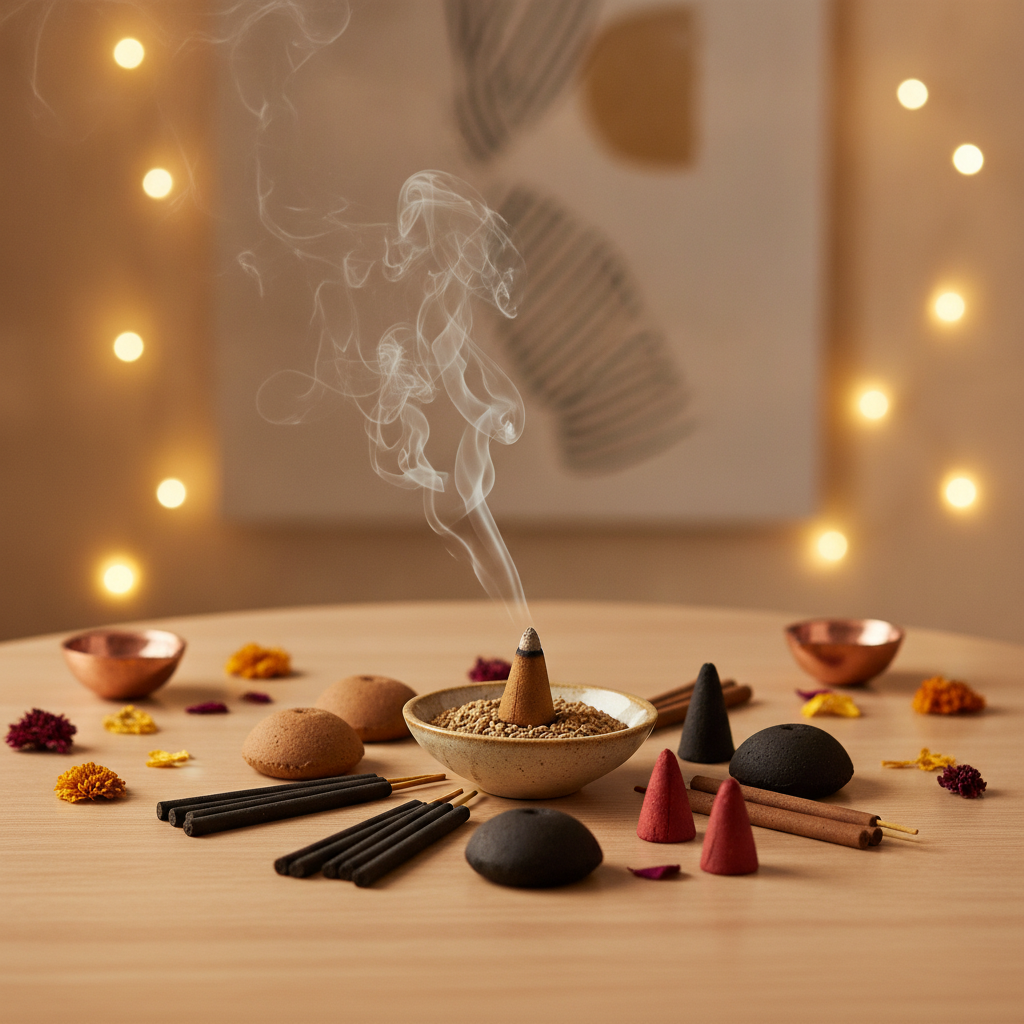
Dhoop Formats Explained: Sticks, Cones, Cups, and Powders
Dhoop comes in various formats, each offering distinct advantages and considerations for your Diwali puja and home fragrance needs:
Dhoop Sticks (Bamboo-less Incense): These are essentially incense sticks without the bamboo core, offering a purer burn. They are convenient, burn for a moderate duration (typically 30-60 minutes), and produce a consistent fragrance. They require a proper incense holder to collect ash safely.
Dhoop Cones: Compact and easy to light, cones offer a concentrated burst of fragrance for a shorter duration (15-30 minutes). They are ideal for quick pujas or for refreshing a space. Cones require a heat-resistant surface or a specific cone holder.
Dhoop Cups (Sambrani Cups): These are cups made from compressed dhoop paste, often with a cavity for holding a small charcoal briquette or directly burning. They burn for a longer duration (up to an hour or more) and release a rich, voluminous smoke, making them excellent for larger spaces or prolonged rituals. They are particularly popular for traditional rituals involving resins like Loban and Guggal.
Dhoop Powder (Loose Incense): This format offers the most control over the quantity and blend. It requires burning on a charcoal disc, allowing for a customizable experience. It's often used by purists who prefer to create their own blends or for specific traditional ceremonies where loose incense is preferred.
When choosing, consider the size of your space, the duration of your ritual, and your comfort level with handling different burning methods. For example, dhoop cups or powders might be better suited for an elaborate Diwali puja, while sticks or cones might be more practical for daily use or smaller spaces.
Understanding Aromatic Profiles: Sweet, Woody, Floral, Resinous
To truly select the perfect dhoop, it is beneficial to understand the different aromatic profiles and how they contribute to the overall ambiance. Priya Kapoor notes that blending these profiles can create a multi-layered sensory experience unique to your home.
Sweet: Fragrances like Mogra, Lotus, and some Rose varieties fall into this category. They are uplifting, joyful, and often associated with positive emotions and attracting auspiciousness.
Woody: Sandalwood, Cedarwood, and Agarwood (Oud) offer deep, grounding, and calming aromas. They promote introspection, spiritual depth, and a sense of stability.
Floral: Rose, Jasmine, and Lavender provide delicate, beautiful, and often romantic or soothing notes. They are excellent for creating a gentle, inviting, and serene atmosphere.
Resinous: Loban, Guggal, Frankincense, and Myrrh are known for their purifying, earthy, and balsamic notes. They are powerful for cleansing spaces, warding off negativity, and creating a sacred, protective environment.
For Diwali, a combination of sweet and woody dhoop could create a balanced ambiance—inviting prosperity while maintaining a serene spiritual core. Experimenting with different profiles allows you to tailor the olfactory experience to specific moments of the festival, from the vibrant energy of Dhanteras to the peaceful reverence of Lakshmi Puja.
Safe and Mindful Dhoop Usage for a Joyous Diwali
While the spiritual and aesthetic benefits of dhoop are undeniable, ensuring its safe and mindful usage is paramount, particularly during the festive rush of Diwali. As an advocate for safe practices, Priya Kapoor emphasizes that conscious burning practices enhance the spiritual experience and protect your home and loved ones. This is especially relevant for Indian households in the UK, where traditional practices meet modern housing considerations.
Ensuring Proper Ventilation: A Critical Safety Measure
One of the most crucial aspects of burning dhoop safely is adequate ventilation. Burning any form of incense releases particulate matter and smoke into the air. Without proper air circulation, these can accumulate, leading to poor indoor air quality. This concern is heightened in many UK homes, which are often smaller and more sealed than traditional Indian dwellings, making ventilation a key consideration.
Indoor air pollution from burning incense without adequate ventilation can significantly increase particulate matter, potentially exceeding World Health Organization (WHO) guidelines for air quality (Source: World Health Organization, 2022). To mitigate this, ensure a window or door is slightly ajar in the room where dhoop is being burned. This creates a gentle cross-breeze, allowing fresh air to circulate and smoke to dissipate, rather than lingering and being re-breathed. If using dhoop in a dedicated puja room, consider investing in a small air purifier to complement natural ventilation, especially during prolonged burning sessions. This mindful approach ensures that the air remains clean and healthy for everyone celebrating Diwali.
Placement and Fire Safety: Protecting Your Home and Family
Fire safety is a non-negotiable aspect of using dhoop. The glowing ember of dhoop, while small, can pose a significant fire hazard if not handled correctly. Always place dhoop in a sturdy, non-combustible holder on a heat-resistant surface, such as a ceramic plate, metal tray, or marble slab. Ensure the holder is stable and cannot be easily knocked over by children or pets during the festive commotion.
Position the burning dhoop well away from curtains, fabrics, paper, wooden furniture, and any other flammable materials. Maintain a clear space of at least 30-45 cm (12-18 inches) around the dhoop. Never leave burning dhoop unattended, especially if you have young children or curious pets in the house. Before leaving a room or going to sleep, always ensure that the dhoop has completely extinguished. If using charcoal discs for loose dhoop, ensure the charcoal has cooled completely before disposal. Having a small bowl of sand or water nearby for immediate extinguishing, if needed, is also a prudent measure. These simple precautions can prevent accidents and ensure a joyous and safe Diwali.
The Art of Mindful Burning: Enhancing Spiritual Connection
Beyond safety, the practice of burning dhoop can be transformed into an art of mindfulness, deepening your spiritual connection during Diwali. Instead of merely lighting it, approach the act with intention. Before lighting, hold the dhoop and set a clear intention for your puja – perhaps for peace, prosperity, gratitude, or specific prayers for your family. This conscious act imbues the dhoop with your spiritual energy.
As the dhoop burns and its fragrance unfurls, take a moment to observe the smoke, breathe deeply, and allow the aroma to ground you. Use it as a focal point for meditation or quiet contemplation, allowing your mind to calm and your thoughts to center on the divine. This practice helps to shift your state of being, moving from the mundane to the sacred. By engaging all your senses and your intention, the simple act of burning dhoop transcends a routine ritual, becoming a powerful tool for enhancing spiritual connection and fostering inner peace amidst the celebratory energy of Diwali.
Beyond the Puja: Dhoop for Diwali Home Fragrance and Well-being
While the primary role of dhoop during Diwali is spiritual, its exquisite fragrances offer a unique opportunity to enhance the festive ambiance and promote well-being throughout your home. Genuine dhoop, with its natural ingredients, provides a much healthier alternative to synthetic air fresheners, aligning perfectly with the desire for purity during this auspicious festival. Priya Kapoor often advises clients on how to integrate these traditional aromas into modern living spaces beyond specific ritual times.
Creating a Festive Ambiance with Natural Aromas
Diwali is a feast for the senses, and scent plays a crucial role in creating the immersive festive atmosphere. Natural dhoop fragrances can beautifully complement other Diwali decorations, lighting, and sounds, weaving together a holistic sensory experience. Imagine the warm glow of diyas, the intricate patterns of rangoli, and the gentle, uplifting aroma of sandalwood or rose dhoop filling your home as guests arrive. This creates an immediate sense of warmth, welcome, and traditional festivity.
Unlike artificial room sprays that can be harsh or fleeting, natural dhoop diffuses a lingering, evolving fragrance that feels organic and inviting. It helps to purify the air (when properly ventilated) and imbue the space with a sense of calm and positivity. Consider burning a milder, more universally appealing dhoop, such as lavender or a light floral blend, in common areas to create a welcoming scent that is both traditional and sophisticated. This thoughtful use of dhoop elevates the entire celebratory experience for family and visitors alike.
The Therapeutic and Calming Properties of Specific Dhoop Ingredients
Many of the natural ingredients found in authentic dhoop possess inherent therapeutic properties that can contribute to overall well-being, particularly relevant during the often-stressful preparations of Diwali:
Sandalwood: Renowned for its calming and grounding effects, sandalwood helps to reduce stress, promote relaxation, and enhance mental clarity. Burning sandalwood dhoop can create a peaceful sanctuary amidst the festive hustle.
Lavender: A classic for relaxation, lavender dhoop can aid in soothing anxiety, promoting restful sleep, and creating a tranquil environment, perfect for unwinding after a day of celebrations.
Mogra (Jasmine): Its sweet, intoxicating aroma is known to be uplifting and mood-enhancing, combating feelings of lethargy and promoting a sense of joy and optimism.
Guggal: Beyond its purifying properties, Guggal is traditionally used in Ayurveda for its anti-inflammatory and detoxifying benefits. Its aroma is believed to aid focus and mental purification, which can be beneficial during periods of intense spiritual practice.
Cedarwood: Often used for its grounding and fortifying scent, cedarwood helps to promote feelings of stability and can be a comforting aroma during times of change or transition.
By understanding these properties, you can select dhoop not only for its ritualistic significance but also for its ability to foster a sense of peace, balance, and well-being within your home and for your family during the festive season.
Integrating Dhoop into Your Daily UK Lifestyle
For Indian diaspora in the UK, integrating traditional practices like dhoop burning into a daily lifestyle often involves balancing cultural heritage with modern living constraints. Dhoop offers a beautiful way to maintain this connection beyond just Diwali. Consider establishing a small, dedicated space for a daily ritual, even if it's just a corner of a room, where you can light dhoop mindfully.
The key is to adapt, not abandon. For example, if strong scents are a concern in shared accommodation or smaller living spaces, opt for dhoop cones or sticks that burn for a shorter duration, or choose milder floral notes like lavender or rose. Ensure robust ventilation as discussed previously. Many find that burning dhoop during morning meditation, evening reflection, or even while working from home can create a calming and focused atmosphere. It serves as a gentle reminder of cultural roots and provides a moment of spiritual pause in a busy schedule. This integration ensures that the essence of traditional dhoop remains a vibrant part of your life, enriching your well-being year-round.
Addressing Common Concerns and Misconceptions About Dhoop
Despite its long history and profound cultural significance, dhoop is often subject to misconceptions, particularly concerning its quality, health implications, and environmental impact. For a discerning audience like DevDhoop’s, it is essential to address these concerns head-on, providing clear, factual information that empowers informed choices, especially when selecting dhoop for Diwali.
Is All Dhoop the Same? Differentiating Quality
A prevalent misconception is that all dhoop is fundamentally the same, with differences primarily in scent or packaging. This is a critical misunderstanding, and one that DevDhoop actively seeks to correct. As highlighted in our unique stance, the quality of dhoop varies dramatically based on its ingredients and manufacturing process. Cheap imitations often rely on synthetic fragrances, sawdust, charcoal, and chemical binders to cut costs, leading to an inferior and potentially harmful product.
Genuine dhoop, on the other hand, is crafted from a precise blend of natural resins, gums, aromatic wood powders, and pure essential oils, following traditional recipes. This commitment to real ingredients results in a dhoop that burns cleanly, releases a complex and authentic aroma, and offers the intended spiritual and therapeutic benefits. The 'price vs. value' argument is particularly relevant here: while genuine dhoop may have a higher upfront cost, its purity, safety, and efficacy offer far greater value in terms of spiritual connection and well-being. Always check ingredient lists for natural components and seek out reputable brands like DevDhoop that prioritize transparency and authenticity.
Health and Allergies: Navigating Sensitive Responses
Concerns about health and allergies are valid, especially for individuals sensitive to strong scents or with respiratory conditions. It is true that burning any material can release particulate matter. However, the key differentiator lies in the *composition* of what is burned. Synthetic fragrances and chemical fillers in adulterated dhoop are far more likely to trigger allergic reactions, headaches, or respiratory irritation compared to dhoop made from pure, natural ingredients.
A survey among UK residents found that 1 in 5 reported sensitivity to synthetic fragrances, highlighting the pervasive need for natural alternatives in household products (Source: Allergy UK, 2021). For sensitive individuals, choosing dhoop with minimal, well-known natural ingredients (e.g., pure sandalwood, frankincense) and ensuring excellent ventilation is crucial. Patch-testing a small amount of dhoop in a well-ventilated area before full use can also help identify potential sensitivities. Prioritizing natural, unadulterated dhoop significantly reduces the risk of adverse health reactions, allowing everyone to partake in the joyful aromas of Diwali without discomfort.
Environmental Impact of Dhoop Production and Usage
As consumers become more environmentally conscious, the ecological footprint of dhoop production and usage is a pertinent concern. The sourcing of raw materials, particularly rare woods like sandalwood, and the disposal of packaging can have environmental implications. Here, the distinction between ethical and unethical practices becomes critical.
Sustainable forestry practices for ingredients like sandalwood ensure that these precious trees are cultivated responsibly, with replanting initiatives that maintain ecological balance. Reputable dhoop manufacturers prioritize suppliers who adhere to these standards, often providing certifications of origin. Furthermore, the shift towards biodegradable packaging materials, away from plastics, is an important step in minimizing waste. While traditional dhoop burning contributes to air quality concerns if ventilation is poor, the overall carbon footprint of naturally sourced dhoop, when produced ethically, is generally far lower than that of chemically intensive synthetic fragrance industries. By supporting brands committed to transparency and sustainability, consumers can ensure their Diwali celebrations are not only spiritually enriching but also environmentally responsible. This holistic approach aligns with the ancient Indian philosophy of living in harmony with nature, extending the reverence of Diwali beyond the home to the planet itself.
In conclusion, selecting authentic dhoop for Diwali is a profound act of devotion, safety, and cultural preservation. By understanding the critical importance of real ingredients, adhering to safe burning practices, and recognizing the deeper spiritual and well-being benefits, you can ensure your Diwali celebrations are truly sacred and joyous. DevDhoop remains committed to providing the knowledge and products that empower you to make informed choices, fostering a deeper connection to tradition and a healthier environment for your family.
Frequently Asked Questions
What is the difference between dhoop and agarbatti for Diwali?
Dhoop is a solid, bamboo-less incense paste made from natural ingredients, offering a purer burn and richer aroma. Agarbatti, or incense sticks, typically have a bamboo core, which can introduce additional smoke. Dhoop is preferred for its traditional purity in Diwali rituals.
How can I tell if my dhoop is made with real ingredients?
Authentic dhoop has a subtle, complex aroma that evolves as it burns, not an overpowering or chemical scent. Look for natural, earthy colours, a firm texture, and a steady, clean burn with minimal black smoke. Check for transparent ingredient lists from reputable suppliers.
What are the health risks of burning synthetic dhoop during Diwali?
Burning synthetic dhoop can release harmful chemicals like VOCs and phthalates, leading to respiratory irritation, headaches, and allergic reactions. These risks are amplified in poorly ventilated spaces, making natural, authentic dhoop a safer choice for your family's health.
Which dhoop fragrance is best for Lakshmi Puja during Diwali?
For Lakshmi Puja, fragrances like Rose, Lotus, and Sandalwood are traditionally considered most auspicious. Rose symbolizes beauty and abundance, while sandalwood represents purity and spiritual calm, both believed to attract prosperity and divine blessings.
What are the essential safety tips for burning dhoop indoors in the UK?
Always ensure proper ventilation by keeping a window or door ajar to allow smoke to dissipate. Place dhoop in a stable, heat-resistant holder away from flammable materials like curtains. Never leave burning dhoop unattended, especially with children or pets present.