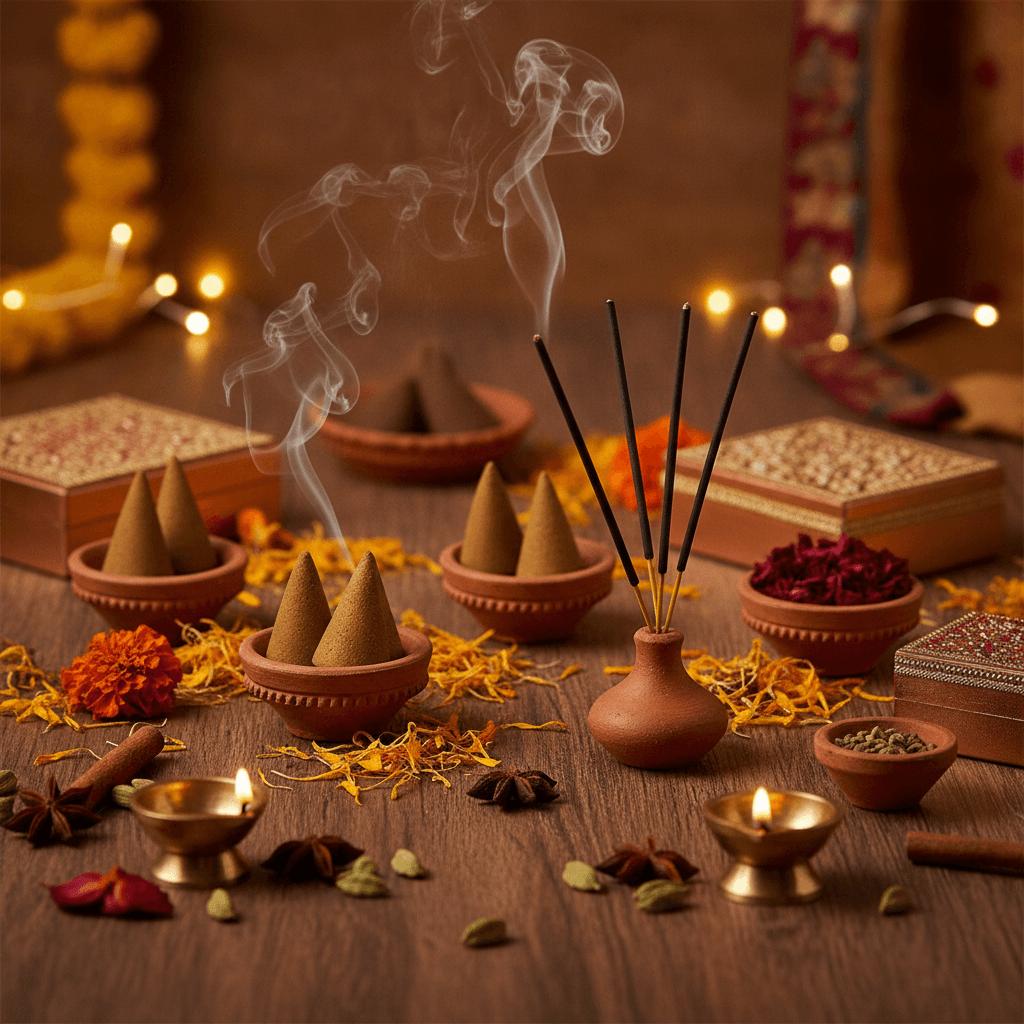

What is Puja? Understanding Daily Hindu Worship Deeply
Priya KapoorTraditional Dhoop SpecialistAugust 17, 2026
What is Puja?
Puja is a fundamental Hindu devotional ritual, a spiritual practice of offering reverence and prayers to deities. It involves symbolic offerings like dhoop, flowers, and water, performed daily or on special occasions to connect with the divine, express gratitude, and foster inner peace. Puja is central to Hindu identity and spiritual well-being globally.

Key Takeaways
Puja is a core Hindu devotional practice, offering reverence to deities through rituals and offerings, fostering spiritual connection and inner peace.
The authenticity of Puja essentials, particularly dhoop, is critical; synthetic alternatives can compromise both spiritual purity and physical health.
Daily Puja cultivates mindfulness, reduces stress, and strengthens family bonds, acting as a vital anchor for cultural and religious identity in the diaspora.
Traditional dhoop ingredients like sandalwood and frankincense offer genuine purifying and meditative benefits, unlike commercial synthetic versions.
Preserving Puja traditions in the UK diaspora involves navigating challenges in sourcing authentic items and educating younger generations, often supported by community and online resources.
What is Puja? Puja is a foundational ritual of daily Hindu worship, a devotional act offering reverence and prayer to deities through various symbolic offerings and practices. It serves as a profound spiritual connection, performed by millions worldwide to invoke blessings, express gratitude, and foster inner peace. This guide delves into the multifaceted aspects of Puja, from its ancient origins to its modern practice, critically examining the unseen compromises in modern commercial offerings, especially dhoop, that impact its spiritual efficacy and health in diaspora households.
What is Puja? Understanding Daily Hindu Worship
Puja, an integral practice within Hinduism, transcends mere ritual; it is a profound act of devotion, communication, and spiritual communion with the divine. This daily or occasional worship ritual is performed by millions of adherents globally, serving as a cornerstone for expressing reverence, seeking blessings, and fostering a deeper connection with the chosen deity or aspect of the divine. Its essence lies in the sincere intention and devotion of the practitioner, creating a sacred space both externally and internally.
The practice of Puja is deeply embedded in the cultural and spiritual fabric of Hindu households, particularly within the diaspora where it often acts as a vital link to heritage and identity. For Indian households in the UK, understanding the nuances of Puja, from its ancient roots to the practicalities of modern observance, is crucial for maintaining authentic practice. The estimated number of Hindus in the UK in 2021 was 1.03 million, with a significant proportion actively engaging in daily or weekly Puja (Source: Office for National Statistics, 2021 Census data). This engagement underscores the continuing relevance and importance of this ancient practice in contemporary life.
The Etymology and Philosophical Roots of Puja
The term 'Puja' is derived from the Sanskrit word 'Pūjā,' meaning 'reverence, honour, worship, adoration.' Its origins are debated, with some scholars tracing it to Dravidian roots, suggesting 'Pu-jai' (flower act), highlighting the significance of floral offerings. Philosophically, Puja is rooted in the Vedic traditions and later Puranic scriptures, evolving from simpler fire rituals (Yajnas) to the more elaborate idol worship. It embodies the concept of Saguna Bhakti, devotion to a God with form, allowing devotees to connect with the divine through tangible representations. This approach makes the abstract concept of Brahman accessible and personal, fostering an intimate relationship with the divine.
The philosophical underpinning of Puja also extends to the idea of karma yoga and bhakti yoga. Through selfless action (karma) and unwavering devotion (bhakti), practitioners aim to purify their minds, reduce ego, and ultimately attain spiritual liberation (moksha). Each offering and gesture during Puja is imbued with symbolic meaning, representing the devotee's surrender, gratitude, and aspiration for spiritual growth. The act of giving, even a simple flower or a drop of water, transforms into a powerful spiritual exchange when offered with genuine devotion.
Diverse Forms and Regional Variations of Puja
Puja is not monolithic; it encompasses a vast array of forms, each tailored to specific deities, occasions, and regional traditions. Daily household Puja (Nitya Puja) is typically simpler, focusing on a chosen deity (Ishta Devata) or family deities. In contrast, elaborate temple Pujas (Sarvajanik Puja) or festival-specific Pujas (e.g., Diwali Puja, Ganesh Puja) can involve complex rituals, multiple priests, and extensive preparations. These variations reflect the rich tapestry of Hindu beliefs and practices across India and the global diaspora.
Regional differences also play a significant role. For example, in South India, Puja often follows Agamic traditions, which are highly structured and focused on temple rituals. In North India, Puranic traditions are more prevalent, often featuring storytelling and devotional singing (bhajans). Despite these variations, the core essence of devotion, offering, and seeking divine connection remains constant. Understanding these diverse forms is key to appreciating the breadth and depth of Hindu worship, allowing individuals to find a path that resonates with their personal spiritual journey.
Moreover, the deity being worshipped influences the specific rituals and offerings. A Puja dedicated to Lord Shiva might involve offerings of Bael leaves and water, while a Puja for Goddess Lakshmi would typically include flowers, sweets, and red attire. These specificities are not arbitrary but are rooted in scriptural narratives and the unique attributes associated with each deity, enhancing the devotee's connection through tailored practices.
The Core Components of a Puja Ceremony
Despite its many forms, a typical Puja ceremony generally comprises several core components, known as Upacharas, or offerings. While the number of Upacharas can vary (from 5 to 16 or even more), they fundamentally represent a respectful welcoming and honouring of the divine guest. These include, but are not limited to, invoking the deity (Avahana), offering a seat (Asana), washing feet (Padya), offering water for sipping (Arghya), giving a ritual bath (Snana), offering fresh clothes (Vastra), adorning with ornaments (Abhushana), offering sacred thread (Yajnopavita), applying fragrant pastes (Gandha like sandalwood or kumkum), offering flowers (Pushpa), burning incense (Dhupa), lighting a lamp (Deepa), offering food (Naivedyam), circumambulation (Pradakshina), and prostration (Pranam).
Each Upachara carries deep symbolic significance. For instance, offering water signifies purity and refreshment, while flowers represent beauty, devotion, and the ephemeral nature of life. The burning of incense (dhoop) purifies the atmosphere and carries prayers to the heavens, while the lamp dispels darkness, symbolising knowledge and divine light. These components collectively create a multi-sensory experience that engages the devotee fully, transforming the physical space into a sacred one. The systematic progression of these offerings helps in focusing the mind and channelling devotion, making the Puja a holistic spiritual exercise.
The ultimate goal of performing these Upacharas is to express profound reverence and to invite the divine presence into the devotee's life. It is an act of humble service, acknowledging the supreme power and grace of the deity. The offerings are not given with the expectation of a material return, but rather as an act of pure love and devotion, fostering spiritual growth and a sense of connection with the transcendental.
Preparing for Puja: Creating a Sacred Environment
The efficacy and spiritual impact of Puja are significantly enhanced by proper preparation, extending beyond mere ritualistic acts to creating a truly sacred environment. This involves not only setting up the physical space but also purifying one's body and mind. A dedicated and clean space, free from distractions, helps to focus the practitioner's intention and allows for a deeper meditative state. This preparatory phase is as crucial as the ritual itself, laying the groundwork for a meaningful interaction with the divine. For many, especially those living in urban environments or smaller homes in the UK, creating such a space requires mindful planning and dedication.
Priya Kapoor, a Traditional Dhoop Specialist and author of this guide, emphasises the importance of this preparation. "My family's long-standing practice of daily Puja, even living in the UK, always began with meticulous preparation of the space and self. This isn't just about cleanliness; it's about setting an intention, creating an energetic field conducive to spiritual connection. The quality of our offerings, right down to the dhoop, reflects this intention." Her insights underscore that the external environment mirrors the internal state, and a well-prepared space facilitates a more profound spiritual experience.
Selecting the Ideal Location and Altar Setup
Choosing the right location for your Puja altar is paramount. Ideally, it should be a quiet, clean, and undisturbed corner of the home, preferably facing East or North. These directions are considered auspicious in Vastu Shastra, the traditional Indian science of architecture, believed to harness positive cosmic energies. The altar itself, often a small table or a dedicated shelf, should be meticulously cleaned and adorned with a fresh cloth, typically red, yellow, or white, symbolising purity and auspiciousness. The idols or images of deities are then placed on the altar, arranged harmoniously and reverently. The elevation of the deities is often slightly higher than the worshipper, signifying their supreme position.
The setup should facilitate ease of worship and meditation, with enough space for offerings and for the practitioner to sit comfortably. Avoiding clutter and ensuring good ventilation are also practical considerations that contribute to a serene environment. In diaspora homes, where space might be limited, even a small, dedicated corner can be transformed into a powerful sacred space through conscious effort and intention. The consistency of this setup reinforces the daily ritual, creating a sense of stability and spiritual anchor within the home.
Attention to detail in altar setup, from the choice of deity images to the arrangement of lamps and flowers, reflects the devotee's respect and devotion. A well-organised altar not only looks aesthetically pleasing but also aids in focusing the mind, reducing distractions during the worship. This deliberate creation of a sacred focal point is a tangible expression of the spiritual journey itself.
Purification Rituals: Body, Mind, and Space
Before commencing Puja, purification is essential on multiple levels. Physically, this involves taking a bath and wearing clean, preferably fresh, clothes. This act symbolises shedding impurities and preparing the body as a vessel for divine interaction. Mentally, purification involves quiet contemplation, letting go of worldly worries, and focusing the mind on the deity. This can be achieved through a few moments of silent meditation, chanting a simple mantra, or setting a clear intention for the Puja. These internal preparations ensure that the devotee approaches the divine with a pure heart and focused mind.
The Puja space itself also requires purification. This typically involves cleaning the area thoroughly, sprinkling a few drops of Ganga Jal (holy water from the River Ganges) or plain water, and lighting a lamp and dhoop. The smoke from authentic dhoop, particularly those made with traditional ingredients like sandalwood, gomutra, and herbs, is believed to cleanse the atmosphere of negative energies and create a spiritually uplifting aroma. Research in ethnomedicine highlights that traditional incense ingredients often possess antimicrobial properties, contributing to a genuinely purified environment (Source: Journal of Ethnopharmacology, 2018). This holistic approach to purification ensures that the devotee, the space, and the offerings are all aligned in their sacred purpose.
Furthermore, some traditions recommend observing certain dietary restrictions or fasts prior to important Pujas, further enhancing the purification process. The collective acts of physical cleanliness, mental clarity, and environmental sanctity create an optimal energetic field for the performance of Puja, allowing for a deeper and more profound spiritual experience. This disciplined approach underscores the seriousness and respect with which the divine interaction is approached.
Essential Puja Items and Their Symbolism
A variety of items are used in Puja, each carrying profound symbolic meaning and contributing to the overall ritual. Key items often include: an idol or image of the deity, a lamp (Deepa) representing divine light and knowledge, incense sticks or dhoop (Dhupa) for purification and carrying prayers, flowers (Pushpa) symbolising beauty, devotion, and impermanence, water (Jal) for purification and offerings, sacred threads (Moli or Kalava) for protection and connection, rice (Akshat) symbolising prosperity and completeness, vermillion (Kumkum) and sandalwood paste (Chandan) for adornment and cooling, sweets or fruits (Naivedyam) as food offerings, and a bell (Ghanta) to invoke the deity and ward off negative energies.
The selection and arrangement of these items are not arbitrary; they are prescribed by tradition and scripture to facilitate the spiritual connection. For instance, the sound of the bell is believed to purify the environment and draw the mind away from worldly thoughts towards the divine. The light of the lamp signifies the triumph of knowledge over ignorance, while the fragrance of dhoop elevates the senses and creates an ethereal atmosphere. These tangible items serve as powerful aids for concentration and devotion, transforming abstract spiritual concepts into a concrete, sensory experience.
The authenticity and purity of these Puja items, particularly consumable ones like dhoop and food offerings, are of utmost importance. As Priya Kapoor notes, "Using genuine, high-quality ingredients ensures that the offerings are truly pure and respectful, aligning with the spiritual intent of Puja. It is a subtle yet significant difference that impacts the overall sanctity of the ritual." This emphasis on genuine products resonates strongly with the values promoted by DevDhoop, ensuring that practitioners can make informed choices about what they bring into their sacred space.

How is Puja Performed? A Step-by-Step Guide
Performing Puja is a structured sequence of actions, prayers, and offerings, designed to systematically honour and connect with the divine. While specific steps can vary depending on the tradition, deity, and occasion, a general framework guides most Puja ceremonies. This section outlines the typical progression, providing a clear understanding of the ritual flow and the spiritual significance behind each action. This systematic approach ensures that the devotee maintains focus and reverence throughout the process, allowing for a deeper absorption in the spiritual act. Understanding these steps is particularly helpful for diaspora communities seeking to preserve and accurately transmit these traditions.
The sequence often begins with preparatory chants and resolves, moving through various offerings and culminating in expressions of gratitude and seeking blessings. This structured approach helps in channelling the devotee's energy and intention, transforming the individual actions into a cohesive act of worship. It's a journey from the mundane to the sacred, guided by ancient wisdom and profound symbolism. A 2022 sociological study on religious practices in diverse communities found that structured rituals like Puja significantly contribute to cultural retention and identity formation among immigrant populations (Source: International Journal of Sociology of Religion, 2022).
Invoking the Divine: Avahana and Prana Pratishtha
The Puja typically begins with Avahana, the invocation of the deity. Through specific mantras and gestures (mudras), the devotee invites the chosen deity to be present in the idol or image. This is not merely a symbolic act; it is believed to infuse the physical representation with divine energy, making it a focal point for worship. Following Avahana, in more elaborate Pujas, Prana Pratishtha may be performed, a ritual consecration that breathes 'life' into the deity's idol. This transforms the idol from a mere statue into a living embodiment of the divine presence, capable of receiving offerings and bestowing blessings. During this stage, the devotee's concentration is paramount, as it is believed to facilitate the descent of the divine.
The intention behind these invocations is to bridge the gap between the material and the spiritual, creating a direct channel for communication. The mantras chanted during Avahana are often potent Vedic verses, believed to carry specific vibrational frequencies that resonate with the divine energy of the deity. The devotee visualises the deity's form, meditating on their attributes and qualities, further strengthening the spiritual connection. This initial phase sets the tone for the entire Puja, establishing a sacred presence within the designated space and within the heart of the worshipper.
For a simple daily Puja, the invocation can be as straightforward as a heartfelt prayer to the deity to be present. The sincerity of the call is often considered more important than the complexity of the ritual. This accessibility ensures that even those with limited knowledge of Sanskrit chants can effectively begin their worship. The core idea is to establish a conscious connection, acknowledging the deity's immanence and transcendence.
Offerings and Devotion: Upacharas and Bhakti
Once the deity is invoked, the core of the Puja involves presenting various Upacharas (offerings) with profound devotion (Bhakti). These offerings are performed in a specific sequence, symbolising hospitality and reverence. Common offerings include: offering water for washing the feet (Padya) and sipping (Arghya); bathing the deity with water, milk, honey, ghee, sugar, and curd (Panchamrita Snana), followed by pure water; clothing the deity with new garments (Vastra) and sacred thread (Yajnopavita); adorning with fragrant pastes like Chandan and Kumkum (Gandha); offering fresh flowers (Pushpa) and garlands; lighting dhoop (Dhupa) and a lamp (Deepa); and presenting food (Naivedyam).
Each offering is accompanied by specific mantras and gestures, expressing respect and love. The act of offering is selfless, a tangible expression of the devotee's surrender to the divine. It is believed that the deity partakes of the subtle essence of the offerings, leaving the physical substance as Prasad, which is then distributed and consumed by the devotees as a blessed item. This cycle of offering and receiving Prasad reinforces the devotee's connection and gratitude.
The quality of Bhakti, or devotion, is considered paramount during these offerings. It is not the monetary value of the offering but the purity of heart and sincerity of intention that truly matters. Even a single leaf, flower, fruit, or a drop of water, offered with pure devotion, is said to be accepted by the divine. This accessibility makes Puja a universal practice, enabling individuals from all walks of life to engage in meaningful worship.
The Significance of Aarti and Pranam
Towards the culmination of the Puja, Aarti is performed, a highly revered ritual involving the waving of a lit lamp (often with ghee wicks) in a clockwise circular motion before the deity. The flame symbolises divine light, knowledge, and the dispelling of darkness (ignorance). As the Aarti is performed, devotional songs (Aarti songs) are often chanted, further immersing the devotees in a state of spiritual fervour. After the Aarti, devotees pass their hands over the flame and then touch their eyes and head, signifying the absorption of divine blessings and light. This act is believed to purify the senses and bestow grace.
Following Aarti, Pranam, or prostration, is performed. This involves bowing down or fully prostrating before the deity, touching the ground with the forehead. It is an ultimate act of humility, surrender, and reverence, acknowledging the deity's supreme power and seeking their blessings. Pranam signifies the complete submission of the ego to the divine will. It is a powerful physical expression of devotion, reinforcing the devotee's humility and connection to the sacred. The act of bowing low represents the shedding of ego and the acceptance of divine guidance.
The culmination of Aarti and Pranam leaves the devotee with a sense of peace, gratitude, and renewed spiritual energy. These rituals serve as powerful anchors, solidifying the spiritual experience of the Puja and reinforcing the devotee's faith. They are often the most emotionally charged parts of the Puja, leaving a lasting impression on the practitioner's heart and mind.
Mantras, Mudras, and Meditative Focus
Throughout the Puja, mantras, sacred sounds or verses, are chanted to invoke specific deities, purify the atmosphere, and focus the mind. Each deity has associated mantras that encapsulate their essence and power. Chanting these mantras with correct pronunciation and sincere intention is believed to generate positive vibrations, aligning the practitioner's consciousness with the divine. Mudras, symbolic hand gestures, are also employed to channel energy, express devotion, and enhance the efficacy of the mantras. These gestures are not arbitrary; they are ancient yogic practices designed to create specific energetic alignments.
Meditative focus is critical. From the moment the Puja begins, the devotee strives to maintain a single-pointed concentration on the deity, the mantras, and the actions being performed. This focus helps to transcend ordinary consciousness and enter a state of heightened spiritual awareness. Distractions are minimised, and the mind is directed towards the sacred, creating a profound inner silence and connection. The repetitive nature of mantras and the structured flow of rituals aid in achieving this meditative state, even for those new to the practice.
The combination of mantra, mudra, and meditative focus creates a holistic spiritual experience, engaging the body, mind, and spirit. It is through this dedicated engagement that the true benefits of Puja are realised, leading to inner peace, spiritual clarity, and a deeper understanding of the divine. This integration of physical, verbal, and mental acts makes Puja a powerful tool for self-transformation and spiritual growth, a comprehensive practice that transcends mere ritualism.
The Unseen Compromise: Why Ingredient Authenticity Matters in Puja
While the spiritual intent of Puja remains pure, a growing concern, particularly within the Indian diaspora in the UK, revolves around the authenticity and safety of Puja essentials, especially dhoop. The commodification of religious items has led to a market saturated with products that often deviate significantly from traditional formulations, posing potential health risks and compromising the spiritual purity of the ritual. This is the "unseen compromise" that many devotees unknowingly make. This concern is not merely about tradition; it is about ensuring that the offerings made are truly pure and that the sacred space remains untainted, aligning with the core principles of Puja. DevDhoop was founded on the principle of addressing this very issue, ensuring access to authentic and safe dhoop products.
Priya Kapoor, drawing from her experience and the values of DevDhoop, highlights this critical issue: "My family's dedication to Puja taught me the sacredness of every offering. Living in the UK, I've seen the challenges in finding genuinely pure dhoop. Many commercially available products, while convenient, often contain synthetic fragrances and harmful chemicals. This isn't just a deviation from tradition; it's a profound compromise on the spiritual sanctity and physical well-being of the worshipper. We must understand what we are burning, not just for our health, but for the integrity of our devotion." Her unique perspective underscores the vital importance of informed choices in maintaining authentic practice.
The Disconnect: Traditional Intent vs. Modern Commercial Practices
Traditionally, Puja offerings, including dhoop, were meticulously prepared using natural ingredients known for their spiritual significance and therapeutic properties. Sandalwood, frankincense, myrrh, specific herbs, and natural resins were chosen not only for their fragrance but also for their believed ability to purify the atmosphere, calm the mind, and enhance spiritual receptivity. The intent was to offer the purest possible essence to the divine. However, modern commercial practices, driven by cost-efficiency and mass production, have often substituted these natural components with synthetic alternatives.
These synthetic ingredients, while mimicking traditional fragrances, lack the spiritual and holistic qualities of their natural counterparts. For instance, artificial sandalwood fragrance oils are significantly cheaper to produce than genuine sandalwood powder (Source: International Fragrance Association, 2023, indicating cost disparities in raw materials). This economic pressure leads manufacturers to prioritise affordability over authenticity, creating a vast market of products that fail to meet traditional standards. The devotee, often unaware of these substitutions, performs Puja with compromised offerings, unknowingly diminishing the traditional spiritual purpose of the ritual. This disconnect represents a significant challenge for those seeking to maintain authentic Hindu worship in a globalised market.
The spiritual consequence is that the offering, meant to be pure and representative of the finest elements, becomes a mere imitation. This can subtly erode the depth of the spiritual connection, as the inherent energetic qualities of natural ingredients are absent. For a practice so reliant on symbolism and purity, such compromises can have profound, albeit unseen, impacts on the devotee's experience and the sanctity of the ritual.
The Health and Spiritual Implications of Synthetic Dhoop
The use of synthetic dhoop, often containing petrochemical-based binders, artificial colours, and synthetic fragrances, carries significant health implications. Burning these products releases Volatile Organic Compounds (VOCs), particulate matter, and other potentially harmful substances into the indoor air. Prolonged exposure to such pollutants can exacerbate respiratory issues like asthma, cause headaches, and contribute to poor indoor air quality. A 2020 study published in the International Journal of Environmental Research and Public Health highlighted concerns regarding increased indoor air pollution from common incense burning, particularly with synthetic variants (Source: IJERPH, 2020). For families performing daily Puja, this exposure is cumulative and a serious concern.
Beyond physical health, there are spiritual implications. The act of Puja is meant to purify the self and the environment, fostering a serene and sacred atmosphere. When synthetic dhoop releases harmful fumes, it contradicts this very purpose. Instead of creating a purifying and uplifting ambiance, it can introduce pollutants that detract from the spiritual experience, potentially causing discomfort and undermining the meditative state. The spiritual intent of offering a pure, wholesome item to the divine is compromised when the offering itself is laden with artificial and potentially toxic compounds. This creates a subtle dissonance between intention and action, impacting the overall sanctity of the worship.
The traditional understanding of dhoop is that its natural aromatic compounds have therapeutic effects, promoting relaxation, focus, and spiritual upliftment. Replacing these with synthetic chemicals removes these beneficial aspects and replaces them with potentially detrimental ones. This shift affects not just the physical space but also the mental and emotional states of those participating in the Puja, making it harder to achieve the desired spiritual immersion and peace.
Sourcing Authentic Ingredients for Puja: A DevDhoop Perspective
Recognising the critical need for authentic and safe Puja essentials, particularly in the UK diaspora, DevDhoop is committed to providing dhoop products made from real, traditionally sourced ingredients. Our philosophy centres on transparency, education, and upholding the integrity of traditional practices. We believe that true devotion is supported by pure offerings. This commitment ensures that when you engage in Puja, you are using products that genuinely contribute to a sacred and healthy environment.
DevDhoop focuses on sourcing premium natural ingredients such as pure sandalwood, ethically harvested frankincense, natural resins, and traditional herbs. Each ingredient is carefully selected for its purity and adherence to ancient formulations, ensuring that the dhoop you burn is free from synthetic fragrances, charcoal, and harmful chemicals. Our process involves rigorous quality checks and a deep understanding of traditional dhoop making. This meticulous approach guarantees that our products not only smell authentic but also align with the spiritual essence of Puja, promoting a truly purifying and uplifting experience. We provide detailed information on ingredient sourcing and manufacturing processes, empowering our audience to make informed decisions.
By choosing authentic dhoop, devotees can confidently perform their Puja, knowing that their offerings are pure, safe, and truly conducive to spiritual growth. This commitment to authenticity ensures that the sacred traditions are preserved, and the unseen compromise of modern commercialism is avoided. DevDhoop stands as a beacon for those who prioritise the sanctity and well-being inherent in their daily Hindu worship, bridging the gap between ancient traditions and modern availability, particularly for the discerning diaspora community in the UK.
Dhoop's Role in Puja: More Than Just Fragrance
Dhoop, or incense, holds a profound and multifaceted role in Hindu Puja, extending far beyond its aromatic qualities. It is considered one of the essential Upacharas, symbolising the purification of the environment, the mind, and the carrying of prayers to the divine realm. The rising smoke is believed to cleanse the subtle energies of the space, creating an ambiance conducive to meditation and spiritual connection. For centuries, the carefully chosen ingredients of dhoop have been understood to possess specific energetic properties that enhance the sanctity of the ritual. This understanding is critical for practitioners, especially in the diaspora, to truly appreciate the depth of this offering.
The act of lighting dhoop signifies the burning away of ignorance and negativity, transforming them into a fragrant offering that ascends to the heavens. It represents the devotee's surrender and the offering of their subtle essence to the divine. The fragrance itself is a powerful sensory anchor, drawing the mind into a state of devotion and focus. As Priya Kapoor notes, "The true purpose of dhoop in Puja is not just to smell good, but to purify, to elevate, and to connect. When we burn authentic dhoop, we are engaging in a sacred act that has been perfected over millennia, using ingredients that truly resonate with the divine."
The Historical Significance of Incense in Hindu Rituals
The use of incense in Hindu rituals dates back to Vedic times, making it one of the oldest forms of offering. Early Vedic texts mention the use of aromatic woods and resins in fire sacrifices (Yajnas) to appease deities and purify the atmosphere. Over millennia, as rituals evolved, the practice of burning dhoop became a standalone offering, distinct from the sacrificial fire, though still retaining its purifying and communicative functions. Archaeological evidence from ancient civilisations also points to the widespread use of aromatics in religious ceremonies, underscoring its universal spiritual significance.
Incense was historically made from a blend of natural ingredients such as specific tree resins (e.g., frankincense, myrrh, guggul), aromatic woods (sandalwood, agarwood), herbs, spices, and floral extracts. These ingredients were carefully chosen for their specific properties: some were believed to attract certain deities, others to repel negative energies, and many to have calming or uplifting effects on the human mind. The preparation of dhoop was often a sacred art, passed down through generations, ensuring the purity and potency of the blend. This rich history highlights dhoop's enduring importance as a bridge between the material and spiritual worlds, a tradition that DevDhoop strives to uphold.
The cultural and religious significance of dhoop is also evident in its presence across various spiritual traditions globally, highlighting a shared human impulse to use fragrance for sacred purposes. In Hinduism, it became intrinsically linked with the concept of Gandha (fragrance) as a divine quality, making the offering of dhoop an act of connecting with the deity's essence. This historical continuity underscores the depth of meaning embedded in every waft of authentic dhoop smoke.
Understanding Traditional Dhoop Ingredients and Their Benefits
Traditional dhoop is crafted from a precise blend of natural ingredients, each contributing to its unique aroma and spiritual benefits. Key ingredients include: Sandalwood (Chandana), revered for its calming aroma and ability to purify the mind, promoting spiritual focus; Guggul (Commiphora wightii), a resin known for its detoxifying properties and believed to ward off negative influences; Frankincense (Loban/Olibanum), used for centuries in rituals for its uplifting and meditative qualities; Myrrh (Guggulu), known for its grounding and spiritual cleansing effects; Agarwood (Oudh), a highly prized resin that fosters deep meditation and spiritual awareness; and various dried flowers, herbs (like Nagarmotha, Jatamansi), and natural essential oils.
The benefits extend beyond mere fragrance. Many traditional dhoop ingredients possess antimicrobial and insect-repelling properties, naturally purifying the air. For example, studies have shown that burning certain natural resins can reduce airborne bacteria (Source: Journal of Applied Microbiology, 2017). Spiritually, the authentic aromas are believed to stimulate specific chakras, balance energies, and create an auspicious environment for prayer and meditation. This holistic approach, integrating physical, mental, and spiritual well-being, is a hallmark of traditional Hindu practices. Understanding these benefits empowers devotees to choose dhoop that genuinely serves their spiritual and physical health.
Conversely, synthetic dhoop, lacking these natural compounds, offers none of these intrinsic benefits and instead introduces potential health hazards. The discerning practitioner, especially one in the UK diaspora, must be aware of the stark difference between genuine, natural dhoop and its commercial imitations. DevDhoop's commitment to real ingredients ensures these traditional benefits are preserved and accessible, supporting a safer and more spiritually enriching Puja experience.
Safety Considerations for Dhoop Usage in Home Puja
While dhoop is an essential part of Puja, safe usage is paramount, particularly in enclosed home environments, which are common in the UK. The primary consideration is ensuring adequate ventilation. Burning dhoop, even natural varieties, produces smoke and particulate matter. Proper airflow helps dissipate these, reducing potential respiratory irritation. Opening windows or using an exhaust fan in the Puja room during and after the ritual is highly recommended. Positioning the dhoop away from flammable materials and on a heat-resistant surface is also crucial to prevent fire hazards. Never leave burning dhoop unattended.
The choice of dhoop itself is a significant safety factor. As discussed, synthetic dhoop contains chemicals that release harmful VOCs and other pollutants. Opting for natural, charcoal-free dhoop, made from pure resins and herbs, significantly reduces exposure to these toxins. DevDhoop provides detailed safety guidance for all its products, advising on usage, storage, and ventilation, reinforcing its commitment to the well-being of its customers. "Safe usage of dhoop is a non-negotiable aspect of responsible Puja practice," states Priya Kapoor. "It's about respecting the sacredness of our homes and our bodies, just as we respect the divine."
Furthermore, individuals with pre-existing respiratory conditions, young children, and pregnant women should exercise extra caution. While natural dhoop is generally safer, sensitivity to smoke can vary. In such cases, shorter burning times, increased ventilation, or even alternative forms of aromatic offerings like essential oil diffusers (though not traditional dhoop) might be considered. Educating oneself on the ingredients and proper usage practices ensures that the spiritual benefits of dhoop are enjoyed without compromising health. This balance of devotion and practical safety is a cornerstone of responsible Puja practice.
Preserving Puja Traditions in the UK Diaspora: Challenges and Opportunities
For the Indian diaspora in the UK, preserving Puja traditions is a complex yet deeply rewarding endeavour. It involves navigating cultural assimilation, limited access to traditional resources, and the challenge of transmitting heritage to younger generations, all while maintaining the spiritual authenticity of the practice. The UK is home to a vibrant Hindu community, with over one million individuals, many of whom actively seek to uphold their religious and cultural practices (Source: ONS, 2021). This collective desire creates both significant challenges and unique opportunities for community building and cultural preservation. The commitment to Puja acts as a vital anchor to their roots and identity.
The pressures of modern life, smaller living spaces, and the absence of extended family support systems that are common in India can make daily Puja a logistical challenge. However, these challenges also foster innovation and a deeper, more conscious engagement with the rituals. The diaspora often develops a heightened appreciation for their traditions precisely because they require conscious effort to maintain. This section explores these dynamics, offering insights into how Puja continues to thrive and evolve in a Western context.
Navigating Authenticity and Availability in a Western Context
One of the primary challenges for the diaspora is sourcing authentic Puja items. Traditional ingredients, from specific flowers and leaves to pure dhoop and sacred herbs, may not be readily available or might be prohibitively expensive in the UK. This scarcity often leads to reliance on commercial alternatives, which, as discussed, can compromise authenticity and safety. The market is flooded with products labelled "traditional" but often contain synthetic substitutes, making it difficult for consumers to discern genuine quality. This challenge is precisely what DevDhoop aims to address by offering transparently sourced, authentic dhoop.
Beyond ingredients, access to knowledgeable priests and community elders who can guide on proper ritual performance is also more limited than in India. This necessitates a greater reliance on self-study, online resources, and community networks. However, this also presents an opportunity for individuals to deepen their personal understanding of Puja, moving beyond rote performance to a more informed and heartfelt practice. The internet has become an invaluable tool for diaspora Hindus seeking to learn about scriptural injunctions, mantra pronunciations, and the symbolism behind rituals, bridging geographical gaps.
The act of actively seeking out authentic resources, even if challenging, reinforces the value placed on tradition. It transforms the purchase of Puja items from a simple transaction into a conscious act of preserving heritage. This mindful approach ensures that each aspect of Puja, from the smallest offering to the largest ceremony, is imbued with genuine reverence and cultural integrity, even when performed thousands of miles from ancestral lands.
Community Initiatives and Online Resources for Diaspora Hindus
In response to these challenges, the UK Hindu diaspora has proactively developed robust community initiatives and leveraged online resources to support the continuity of Puja traditions. Hindu temples and cultural centres across the UK serve as vital hubs, offering collective Pujas, religious classes, and access to priests. These centres provide a sense of community, allowing individuals to participate in larger rituals that might be difficult to perform at home. They also serve as educational platforms, teaching the nuances of Puja to all generations.
The digital realm has become an indispensable tool. Websites like DevDhoop offer not only authentic products but also educational content, bridging the information gap. Online forums, YouTube channels dedicated to Hindu rituals, and virtual Puja services have proliferated, providing accessible guidance on performing Pujas, chanting mantras, and understanding philosophical concepts. "The internet has democratised access to religious knowledge, enabling diaspora Hindus to stay connected to their roots and learn about their traditions with unprecedented ease," notes a 2021 report on digital religion (Source: Pew Research Center, 2021). This digital ecosystem empowers individuals to maintain a vibrant spiritual life, regardless of geographical distance.
These initiatives foster a strong sense of collective identity and shared purpose. They provide platforms for intergenerational learning, where elders can share their wisdom and younger generations can find relevant ways to engage with their heritage. The collaborative spirit within the diaspora ensures that the richness and depth of Puja traditions continue to flourish, adapting to new environments while retaining their timeless essence. This resilience highlights the enduring power of faith and community in preserving cultural practices.
Educating the Next Generation on Puja Practices
A critical aspect of preserving Puja traditions in the diaspora is effectively educating the next generation. Younger individuals, growing up in a Western cultural context, may not automatically understand the significance and intricate details of Hindu rituals. It requires conscious effort from parents and community leaders to make Puja relevant and engaging for them. This involves explaining the 'why' behind the rituals, not just the 'how,' connecting practices to universal values and contemporary life. Storytelling, active participation, and creating positive associations with Puja are key strategies.
Many Hindu organisations in the UK run Sunday schools and youth camps that include lessons on Puja, Sanskrit chants, and the philosophical underpinnings of Hinduism. Parents often involve children in simple tasks during daily Puja, such as arranging flowers or lighting the lamp, to instill a sense of ownership and connection. Priya Kapoor advocates for this approach: "My parents made Puja a part of our daily rhythm, explaining the symbolism and allowing us to participate. This hands-on experience, coupled with understanding the deeper meaning, is far more impactful than mere instruction." Such engagement transforms Puja from a chore into a meaningful family activity, fostering cultural pride and spiritual curiosity.
Furthermore, highlighting the practical benefits of Puja, such as developing discipline, mindfulness, and a sense of gratitude, can resonate with younger generations who seek personal growth and well-being. By demonstrating how ancient practices remain relevant in modern life, the diaspora can ensure that Puja continues to be a living, evolving tradition for generations to come. This intergenerational transmission is vital for the long-term sustainability and vibrancy of Hindu culture outside of India, ensuring that the spiritual legacy endures.
What are the Spiritual Benefits of Daily Puja?
Beyond its ritualistic aspects, daily Puja offers profound spiritual, psychological, and communal benefits that contribute to overall well-being and personal growth. It is a disciplined practice that cultivates inner peace, fosters a connection with the divine, and reinforces cultural identity, particularly for individuals navigating life in the diaspora. The consistent engagement with Puja creates a sacred rhythm in daily life, providing a stable anchor amidst worldly fluctuations. These benefits are not merely theoretical; countless practitioners attest to the transformative power of regular worship in their lives.
The act of dedicating a specific time and space to the divine, away from the hustle and bustle of daily life, serves as a powerful antidote to stress and anxiety. It offers a moment of introspection, gratitude, and surrender, recalibrating one's perspective. For many, Puja is a daily reset button, allowing them to approach challenges with a calmer mind and a stronger spirit. The spiritual benefits extend beyond individual experience, often creating a harmonious atmosphere within the household and strengthening family bonds. This section delves into the multifaceted advantages derived from engaging in daily Hindu worship.
Cultivating Inner Peace and Mindfulness
One of the most immediate and tangible benefits of daily Puja is the cultivation of inner peace and mindfulness. The structured nature of the ritual, involving focused actions, mantra chanting, and meditation on the deity, draws the mind away from distractions and into the present moment. This sustained concentration acts as a form of active meditation, calming the nervous system and reducing mental chatter. The serene atmosphere created by the offerings, the fragrance of authentic dhoop, and the soft glow of the lamp further enhance this meditative state.
Regular practice of Puja trains the mind to be more disciplined and focused, skills that translate into other areas of life. It provides a consistent opportunity for introspection, allowing individuals to become more aware of their thoughts and emotions. This heightened self-awareness is a cornerstone of mindfulness, leading to greater emotional regulation and a more peaceful disposition. "The daily rhythm of Puja, even for a few minutes, brings a profound sense of calm and clarity that sustains me throughout the day," shares Priya Kapoor. This personal testimony underscores the practical, lived experience of inner peace derived from the practice.
The act of offering and surrendering also fosters a sense of humility and acceptance, reducing the burden of ego and worldly attachments. This spiritual detachment, paradoxically, leads to greater contentment and a deeper appreciation for life's simple blessings. By regularly connecting with the divine, practitioners learn to let go of control and trust in a higher power, leading to a profound sense of inner liberation and tranquillity.
Fostering Family Unity and Cultural Identity
Puja often serves as a powerful mechanism for fostering family unity and strengthening cultural identity, particularly within the diaspora. When performed collectively, it creates a shared spiritual experience that binds family members together. Children learn the traditions by observing and participating with their elders, ensuring the intergenerational transmission of cultural values and religious practices. The Puja room often becomes the heart of the home, a sacred space where family members gather, pray, and connect on a spiritual level. This shared ritual strengthens familial bonds and creates lasting memories.
For diaspora communities, Puja is a vital link to their heritage and homeland. It provides a tangible connection to the spiritual and cultural roots of India, reinforcing a sense of belonging and identity in a foreign land. The rituals, languages (like Sanskrit or regional dialects in chants), and symbolism embedded in Puja help maintain a distinct cultural identity that might otherwise erode due to assimilation pressures. "Puja was always a time for our family to come together, to share stories, and to feel connected to our ancestors and our roots, even in the UK," Priya Kapoor recounts. This communal aspect is invaluable for cultural preservation.
Furthermore, collective Pujas in temples and community centres extend this unity beyond the immediate family, fostering a broader sense of community among diaspora Hindus. These gatherings reinforce shared beliefs, provide support networks, and celebrate cultural festivals, all centred around the sacred act of worship. This collective engagement ensures that the vibrant tapestry of Hindu culture continues to thrive and evolve, even across continents. The shared spiritual journey becomes a cornerstone of collective identity and resilience.
Connecting with the Divine: Personal and Collective Growth
Ultimately, the foremost benefit of Puja is the establishment and deepening of a personal connection with the divine. Through sincere devotion, offerings, and meditation, practitioners experience a direct communion with the chosen deity or the formless Brahman. This connection provides comfort, guidance, and a sense of purpose, helping individuals navigate life's challenges with faith and resilience. It is an affirmation of a reality greater than oneself, fostering spiritual growth and a deeper understanding of universal truths. The consistent practice reinforces the belief in divine grace and support.
This personal connection also contributes to collective growth. As individuals become more peaceful, mindful, and compassionate through their spiritual practice, they positively impact their families, communities, and the wider world. Puja encourages virtues such as humility, gratitude, generosity, and selfless service, which are foundational to harmonious living. A 2023 study on religious practice and well-being showed a strong correlation between regular spiritual engagement and increased prosocial behaviour (Source: Journal of Religion and Health, 2023). The ripple effect of individual spiritual growth contributes to a more conscious and ethically oriented society.
Puja, therefore, is not merely about asking for blessings; it is about transforming oneself to become a better recipient of divine grace and a more effective instrument of divine will. It is a journey of self-discovery and self-realisation, leading to a profound sense of interconnectedness with all existence. This continuous process of devotion and introspection elevates human consciousness, fostering both personal enlightenment and collective spiritual evolution. It is a timeless practice offering enduring relevance and transformative power.
Conclusion
Puja is far more than a ritual; it is the beating heart of Hindu devotional practice, a profound spiritual journey that connects millions with the divine daily. From its ancient Vedic roots and diverse forms to the meticulous preparations and symbolic offerings, every aspect of Puja is imbued with deep meaning, fostering inner peace, family unity, and a profound sense of connection to something greater than oneself. For the Indian diaspora in the UK, Puja stands as a vital anchor, preserving cultural identity and transmitting spiritual heritage across generations, even amidst the challenges of a modern, globalised world.
However, as Priya Kapoor and DevDhoop passionately advocate, the spiritual efficacy and health benefits of Puja hinge significantly on the authenticity of its elements, particularly dhoop. The "unseen compromise" of synthetic ingredients in commercial products not only poses health risks but also subtly undermines the purity of intention central to Hindu worship. Making informed choices about sourcing real, natural dhoop and other Puja essentials is therefore not just a matter of tradition but a critical act of preserving the sanctity and well-being inherent in this sacred practice. By choosing purity, devotees ensure that their worship remains a potent source of spiritual growth and a vibrant link to their timeless heritage.
Frequently Asked Questions
What is the primary purpose of performing Puja in Hinduism?
The primary purpose of Puja is to express reverence, gratitude, and devotion to deities, invoking their blessings and fostering a deeper spiritual connection. It serves as a means for devotees to communicate with the divine and seek inner peace.
How often is Puja typically performed by Hindu households?
Puja is commonly performed daily (Nitya Puja) by Hindu households, often in the morning or evening. More elaborate Pujas are conducted on special occasions, festivals, or specific days of the week dedicated to certain deities.
What are the most common offerings made during a Puja?
Common offerings, known as Upacharas, include water, flowers, fruits, sweets, incense (dhoop), a lit lamp (deepa), and sacred pastes like kumkum and chandan. Each offering holds symbolic significance in honouring the divine.
Why is authentic dhoop important for Puja?
Authentic dhoop, made from natural resins and herbs, is crucial because it purifies the atmosphere, carries prayers to the divine, and offers genuine spiritual and therapeutic benefits. Synthetic dhoop can introduce harmful chemicals, compromising the ritual's sanctity and health.
Can Puja be performed by individuals living outside India?
Yes, Puja is widely performed by the Indian diaspora globally, including in the UK. Many communities and online resources support individuals in preserving these traditions, adapting practices while maintaining their spiritual essence and cultural identity.