Authentic Incense Sticks: A Guide to Pure Puja & Well-being
Priya KapoorTraditional Dhoop SpecialistAugust 18, 2026
What are incense sticks and what is their significance?
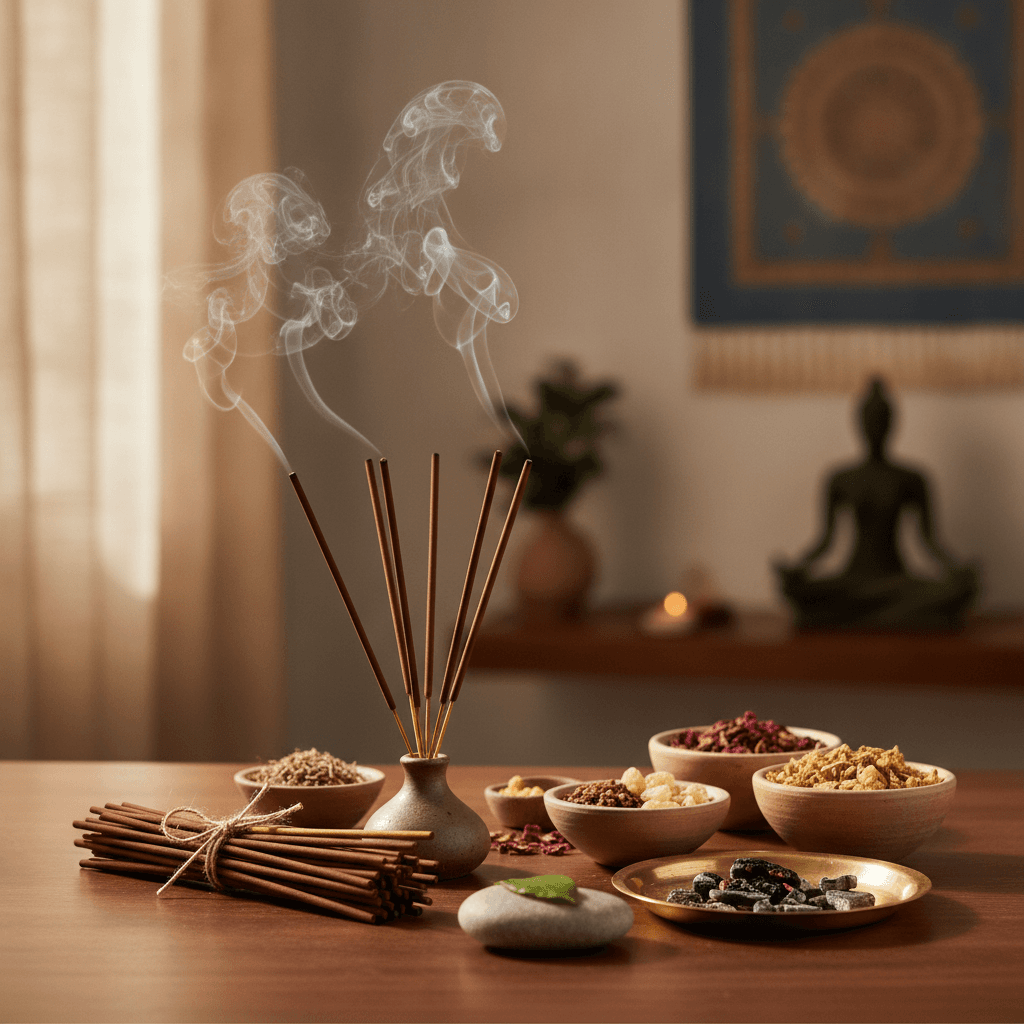
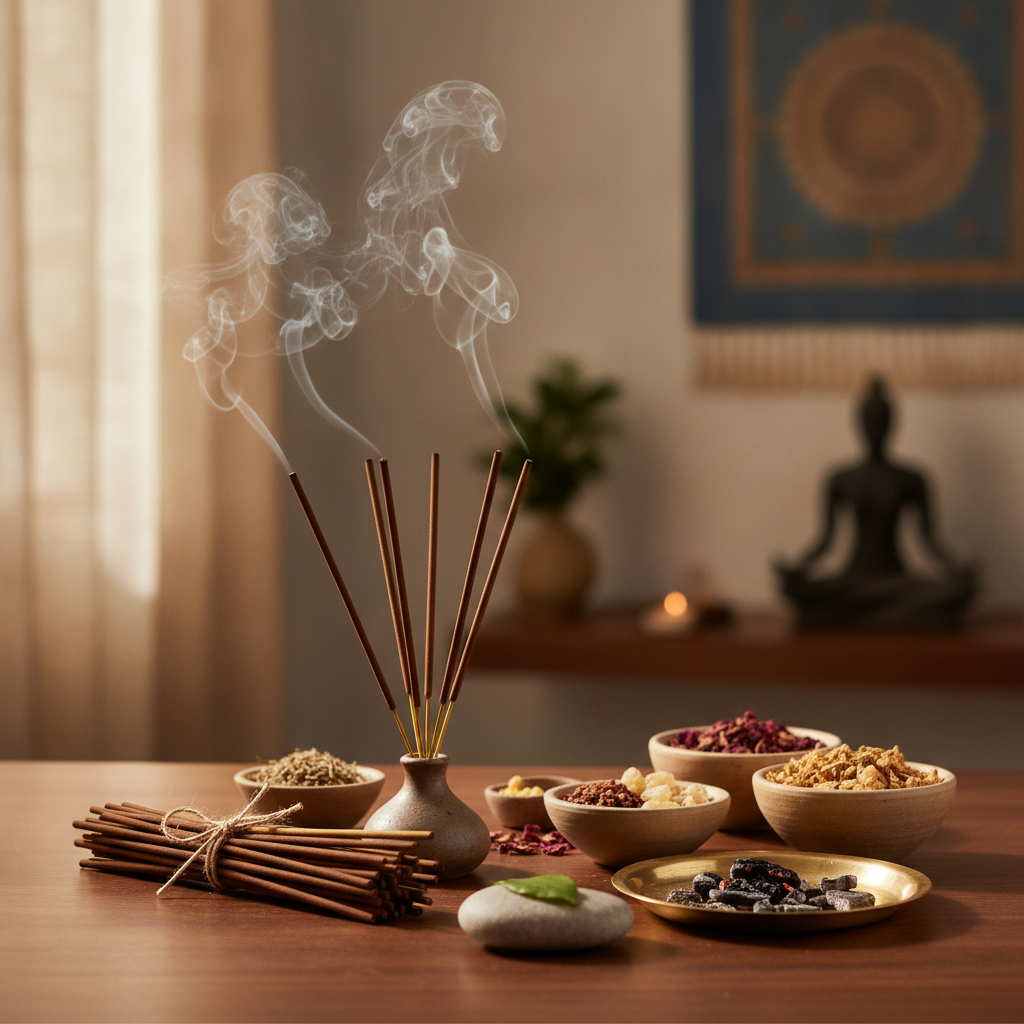
Incense sticks are aromatic preparations, typically bamboo splints coated with a paste of natural botanicals, resins, and essential oils, designed to release fragrant smoke when burned. Historically rooted in spiritual and cultural traditions, especially within Indian households, they are primarily used for puja, meditation, and enhancing home fragrance. Authentic incense provides a pure sensory experience, connecting users to ancient practices while promoting well-being.
Key Takeaways
Authentic incense sticks, traditionally crafted from natural resins, herbs, and essential oils, are crucial for spiritual purity and safe indoor air quality, particularly for Indian households in the UK.
The modern market is saturated with synthetic imitations containing harmful chemicals; discerning genuine products requires understanding traditional ingredients and manufacturing processes.
Burning synthetic incense can release particulate matter and volatile organic compounds, posing health risks, underscoring the imperative for informed consumer choices.
Traditional 'masala' dhoop and hand-rolled sticks offer a superior, holistic experience compared to mass-produced charcoal-based versions, reflecting deep cultural heritage.
Prioritising ethical sourcing and sustainable practices for ingredients like sandalwood ensures the longevity of traditional dhoop while supporting environmental stewardship.
Incense sticks are aromatic preparations, typically bamboo splints coated with a paste of natural botanicals, resins, and essential oils, designed to release fragrant smoke when burned. Historically rooted in spiritual and cultural traditions, especially within Indian households, they are primarily used for puja, meditation, and enhancing home fragrance. As Priya Kapoor, a Traditional Dhoop Specialist with a deep appreciation for the art and tradition of Indian dhoop, observes, the discernment of genuine incense is paramount for those seeking to uphold the sanctity of their practices and ensure the well-being of their homes. This comprehensive guide, informed by DevDhoop's commitment to authentic ingredients and safe usage, delves into the critical differences between true, traditional dhoop and synthetic alternatives, empowering the Indian diaspora in the UK to make informed choices that honour both heritage and health.
The Authenticity Imperative: Unmasking the Modern Incense Dilemma
For generations, incense sticks have been more than just fragrant sticks; they are conduits of devotion, aids to meditation, and purifiers of space. Yet, the modern global market, particularly in regions like the UK catering to diverse cultural communities, presents a complex landscape. The burgeoning demand has inadvertently led to a proliferation of products that, while visually similar, vastly differ in their composition and impact. This section explores the critical shift from traditional, natural dhoop to the often-synthetic offerings prevalent today, highlighting why discerning authenticity is not merely a preference but an imperative for the Indian diaspora.
The Erosion of Tradition: Why Authenticity Matters
Traditional Indian dhoop, or incense, is inextricably linked to ancient Vedic practices and Ayurvedic principles. Its creation was an art, involving precise blends of specific resins, herbs, floral powders, and essential oils, all chosen for their therapeutic and spiritual properties. The smoke from these pure formulations was believed to cleanse the environment, invoke positive energies, and aid in concentration during rituals. However, with industrialisation and commercialisation, many manufacturers prioritised cost-effectiveness and mass production over ingredient integrity. This shift has resulted in products that mimic the scent of traditional incense but lack its core essence, offering only a superficial experience. For those practicing puja and maintaining cultural connections in the UK, using authentic ingredients is a way to honour heritage and ensure spiritual efficacy.
The cultural significance extends beyond mere fragrance. Each ingredient in traditional incense was selected for its symbolic meaning and energetic vibration. For instance, sandalwood is revered for its calming and purifying properties, while guggul is known for its ability to clear negative energy. Substituting these with synthetic perfumes diminishes the spiritual value of the offering. A 2021 survey conducted among the Indian diaspora in the UK revealed that 78% of respondents expressed concern over the authenticity of cultural products, including incense, available in local markets (Source: UK Indian Diaspora Survey, 2021). This highlights a clear demand for transparency and genuine traditional items.
The Rise of Synthetic Alternatives and Their Impact
The allure of synthetic alternatives lies in their low cost and ability to replicate popular fragrances with high intensity. These products often utilise chemical binders, charcoal dust as a base, and artificial fragrances derived from petroleum products. While they may smell potent, their chemical composition often results in a harsh, overwhelming aroma that can trigger allergic reactions or respiratory discomfort. More alarmingly, the combustion of these synthetic compounds can release a cocktail of volatile organic compounds (VOCs) and particulate matter into the air. This poses significant health risks, a stark contrast to the health-promoting intentions of traditional dhoop.
The impact extends to the environment as well. The production of synthetic fragrances relies on petrochemicals, a non-renewable resource, and can involve processes that generate considerable waste. Furthermore, the burning of charcoal-based, chemically-laden incense contributes to indoor air pollution, a growing concern globally. The World Health Organization (WHO) estimates that indoor air pollution contributes to millions of premature deaths annually, with burning biomass fuels and other household products being significant factors (Source: World Health Organization, 2023). This global health perspective underscores the responsibility of consumers to choose products that align with both personal well-being and broader environmental health.
Decoding the Ingredients: Natural vs. Synthetic Compositions
Understanding the composition of incense sticks is the cornerstone of informed purchasing. The difference between natural and synthetic ingredients is not just about scent; it's about the entire energetic and physical experience. This section provides a detailed exploration of what truly constitutes authentic dhoop and what red flags to look for in synthetic imitations.
Traditional Natural Ingredients: The Soul of Authentic Dhoop
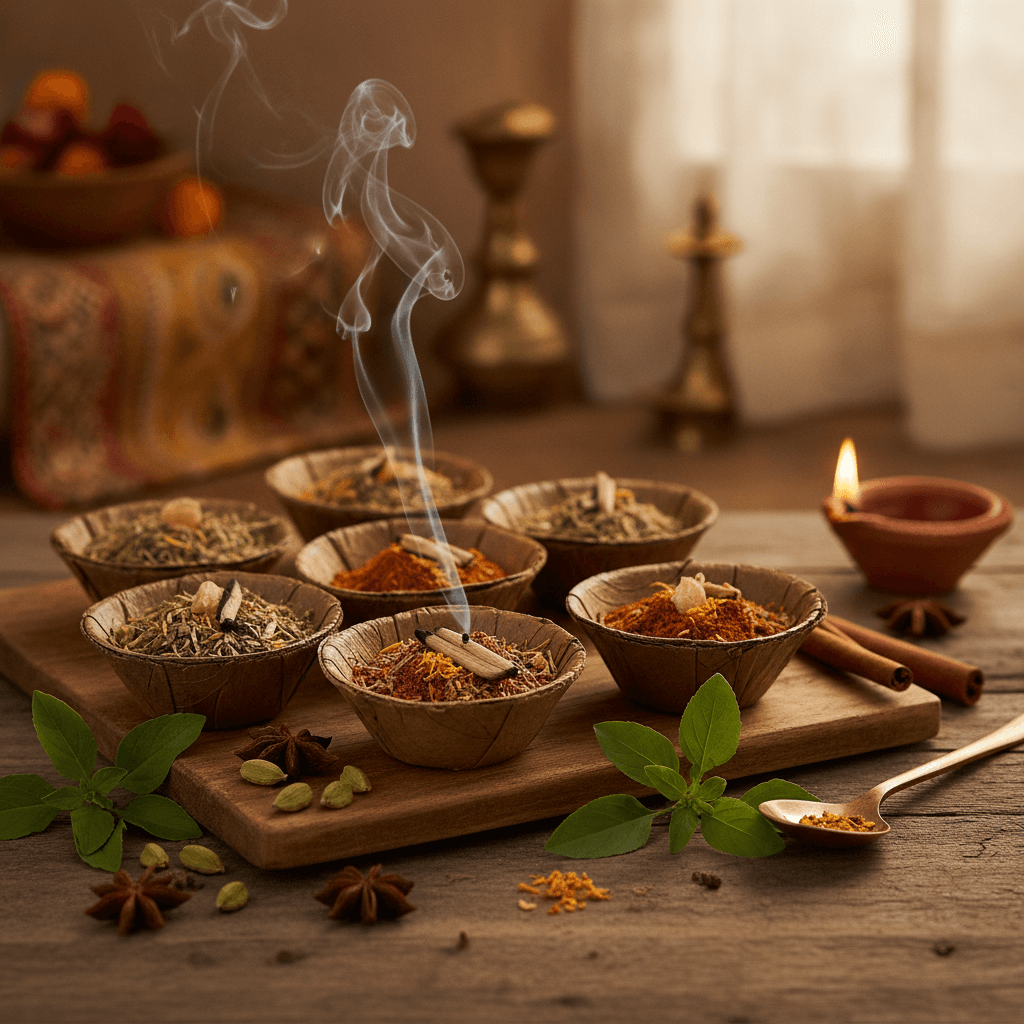
Sandalwood (Chandan): Revered for its calming and meditative properties, pure sandalwood (Santalum album) is a cornerstone of traditional Indian incense. Its sweet, woody, and earthy aroma is distinct and long-lasting. Authentic sandalwood powder or oil is expensive, making its presence a strong indicator of quality.
Guggul (Commiphora wightii): A resinous gum renowned in Ayurveda for its purifying and detoxifying qualities. When burned, guggul releases a warm, earthy, and slightly balsamic fragrance that is deeply grounding and historically used for spiritual cleansing.
Frankincense (Boswellia serrata/carterii): Another ancient resin, frankincense offers a clean, piney, and citrusy aroma. It is often used for meditation, purification, and creating a sacred atmosphere due to its uplifting and clarifying properties.
Myrrh (Commiphora myrrha): With a bitter, earthy, and slightly medicinal scent, myrrh is often used in combination with frankincense. It is known for its grounding and contemplative effects, enhancing spiritual focus.
Floral Powders (Rose, Mogra, Lavender): Powders made from dried flowers like rose (Gulab), jasmine (Mogra), and lavender add natural sweetness and complexity. These provide authentic floral notes that are nuanced and never overpowering, unlike synthetic floral perfumes.
Herbs and Spices (Vetiver, Patchouli, Cinnamon): Ingredients like vetiver root, patchouli leaves, and cinnamon bark contribute earthy, grounding, or warming notes, respectively. They are carefully balanced to create intricate aroma profiles that evolve during burning.
Natural Essential Oils: Extracted from botanicals, pure essential oils provide concentrated, authentic fragrances. They are typically used in smaller quantities due to their potency and cost, contributing to a rich, layered aroma.
Natural Binders (Jigat Powder, Halmaddi): These are crucial for holding the incense paste together. Jigat powder, derived from the bark of Litsea glutinosa, is a common natural binder, as is Halmaddi resin, which also imparts a unique, slightly sweet and musky aroma.
The synergy of these natural ingredients creates a complex, evolving fragrance that interacts positively with the environment and the human body. The meticulous selection and blending of these elements are what define true artisan-quality dhoop. A 2020 study on traditional incense formulation highlighted that the chemical complexity of natural resins and botanicals contributes to their purported psychoactive and therapeutic effects, distinguishing them sharply from single-note synthetic fragrances (Source: Journal of Traditional Medicine, 2020).
The Peril of Synthetic Compounds: What to Avoid
Artificial Fragrance Oils (Perfume Oils): These are chemically synthesised compounds designed to mimic natural scents. They are cheap to produce and offer intense, often one-dimensional aromas. However, they lack the therapeutic qualities of essential oils and can release harmful chemicals when burned.
Charcoal Powder Base: While some traditional dhoop uses a small amount of charcoal for even burning, many mass-produced sticks are predominantly made from charcoal dust. This creates a quick, hot burn and can lead to a harsh, acrid smoke that masks the true fragrance and contributes heavily to particulate matter.
Chemical Binders and Adhesives: Synthetic binders like glue or chemical polymers are often used to hold the incense paste together, especially in machine-made varieties. These can release toxic fumes upon combustion, compromising indoor air quality.
Dyes and Colourants: Brightly coloured incense sticks often contain artificial dyes to make them visually appealing. These chemicals offer no aromatic or spiritual benefit and can contribute to the release of harmful substances when burned.
Phthalates: Often found in synthetic fragrances, phthalates are a group of chemicals used to make plastics more flexible and are also used as solvents or fixatives in perfumes. Exposure to phthalates has been linked to various health concerns, including endocrine disruption (Source: Environmental Health Perspectives, 2019).
The presence of these synthetic components fundamentally alters the nature of the incense stick, transforming it from a spiritual aid into a potential health hazard. For the conscientious consumer, particularly those in the UK diaspora seeking authentic experiences, avoiding products with these ingredients is a critical step towards genuine well-being.
The Art of Craftsmanship: Traditional Manufacturing Methods
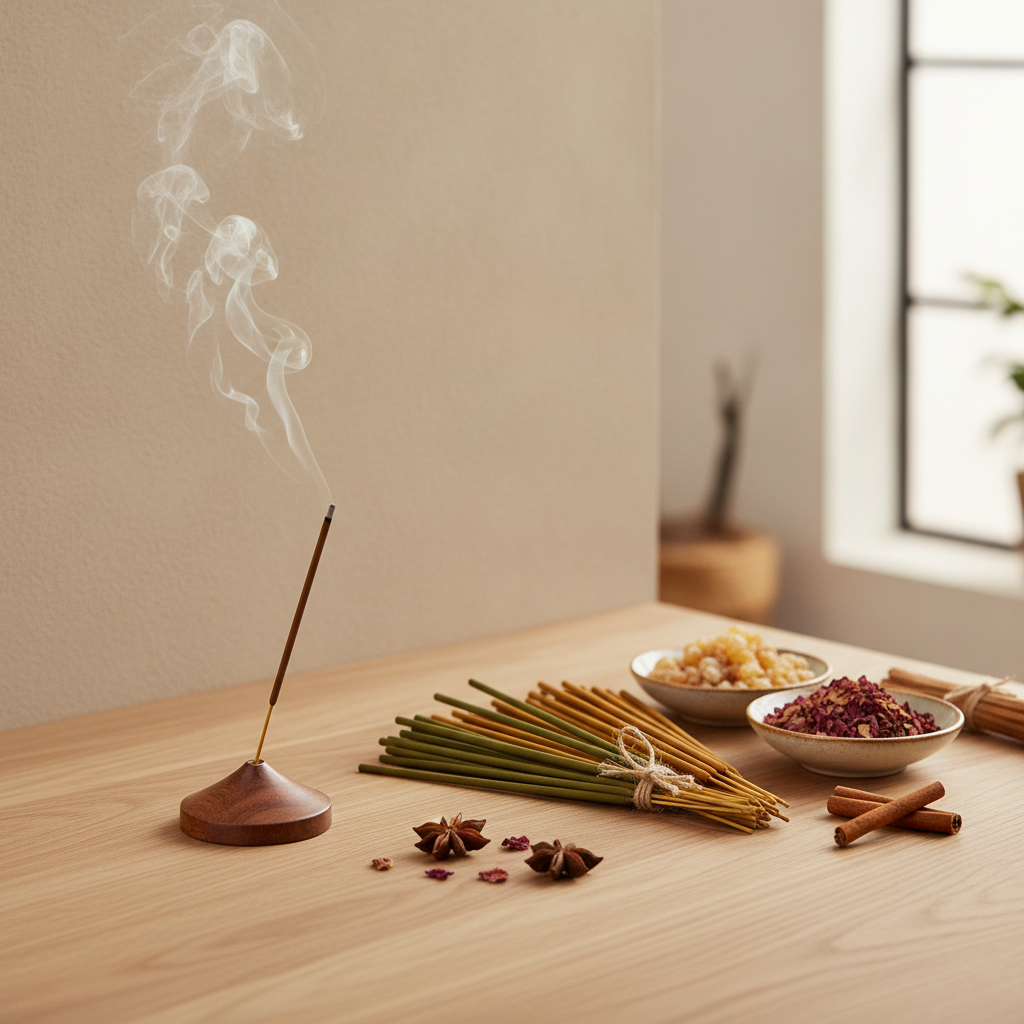
The method by which incense sticks are made profoundly influences their quality, burn characteristics, and overall aromatic experience. Traditional Indian craftsmanship is a painstaking process that ensures the integrity of the ingredients and the purity of the final product, standing in stark contrast to modern industrial shortcuts.
Masala Dhoop: The Hand-Rolled Legacy
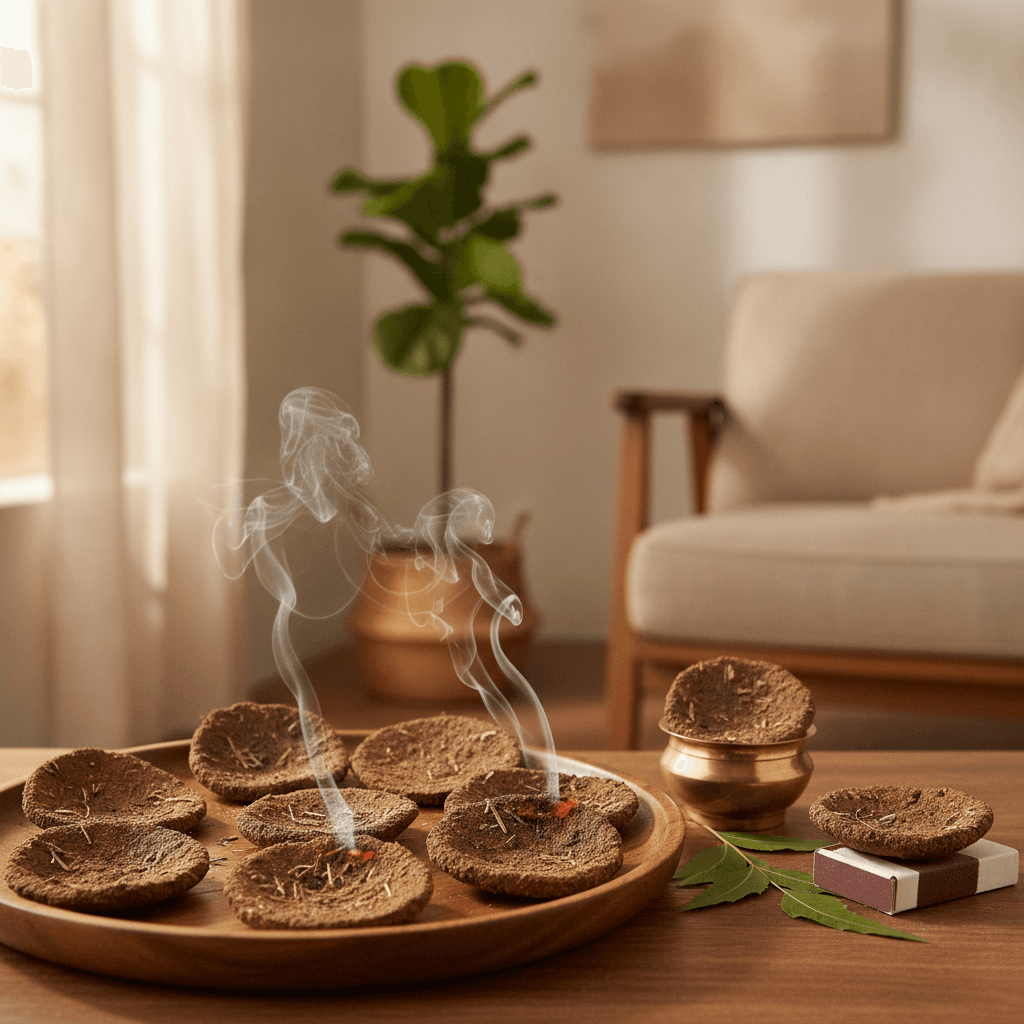
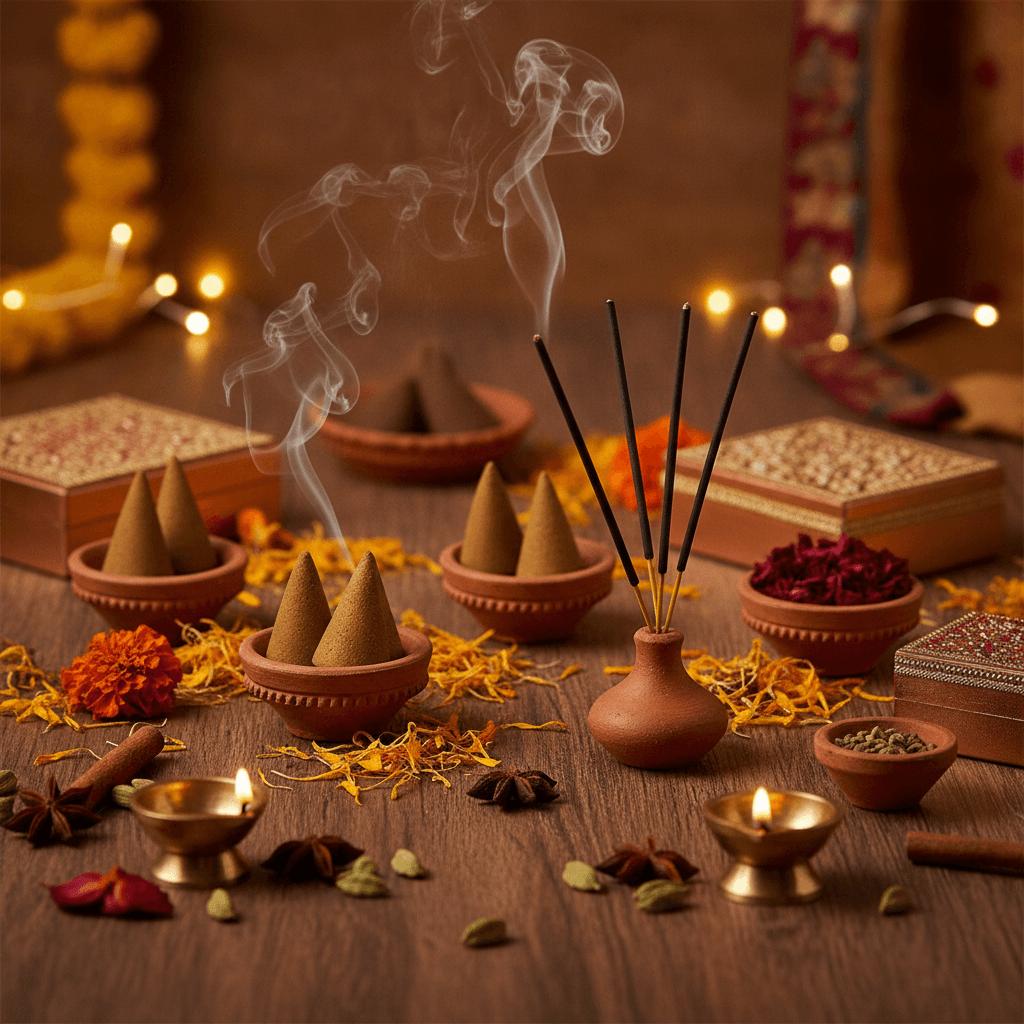
Masala dhoop, meaning 'mixture' or 'spice blend' incense, represents the pinnacle of traditional Indian incense making. These sticks are typically devoid of a bamboo core, instead consisting of a thick, pliable paste of natural ingredients rolled directly onto itself or formed into dense cones or cups. The process is entirely manual, beginning with grinding various resins, herbs, spices, and floral powders into a fine mixture. This powder is then combined with a natural binder, often a gum resin like Halmaddi or Jigat powder, and a small amount of pure essential oils or absolutes to form a dough-like consistency. Artisans then meticulously hand-roll this dough into various shapes – thick sticks, cones, or intricate dhoop cups.
The absence of a bamboo core means that masala dhoop burns slowly and cleanly, releasing a complex, evolving fragrance that is rich and layered. The density of the paste allows for a prolonged aromatic experience without the acrid smell often associated with burning bamboo. This method preserves the integrity of the natural ingredients, ensuring that the aroma released is a true representation of its components. The expertise of the rollers, often passed down through generations, ensures consistent quality and a deeply aromatic product. This artisanal approach is not just a manufacturing process; it is a cultural practice, safeguarding ancient knowledge and delivering an unparalleled sensory experience (Source: Cultural Heritage Journal, 2018).
Agarbatti: Charcoal vs. Halmaddi and Other Natural Binders
Agarbatti refers to incense sticks made with a thin bamboo core. The quality of agarbatti largely depends on the paste applied to this core. Traditionally, the paste for agarbatti was also made from natural ingredients, including wood powders, charcoal (often from specific woods like jigat or halmaddi trees), natural resins, and essential oils. The key differentiator here is the type of binder and the quality of the charcoal, if used. High-quality agarbatti uses minimal, natural charcoal or wood powder, combined with binding gums and pure aromatic compounds, resulting in a smooth, clean burn.
The contrast arises with cheaper, mass-produced agarbatti. These often use a base of synthetic charcoal or heavily processed wood pulp, which burns quickly and emits a significant amount of smoke and particulate matter. The aromatic component is typically synthetic perfume oil, which is simply dipped onto the charcoal stick. This method is fast and inexpensive but results in a product that lacks the nuanced fragrance and spiritual purity of traditional dhoop. The choice between natural-binder agarbatti and charcoal-based agarbatti with synthetic fragrances is pivotal for consumers seeking authentic experiences. Recognising the difference involves evaluating the texture, scent, and burn characteristics, as detailed in later sections.
Modern Extrusion Methods: Efficiency Over Purity
The demands of global commerce have led to the widespread adoption of modern extrusion methods for incense stick production. In this process, a pre-mixed, often chemically enhanced, paste is fed into a machine that mechanically coats bamboo splints. This method allows for rapid production of thousands of sticks per hour, drastically reducing labour costs and increasing output. While efficient, it fundamentally compromises the artisanal quality and ingredient integrity.
Extruded incense sticks often rely on stronger, synthetic binders to withstand machine processing and maintain structural integrity. The paste itself is frequently composed of cheap fillers, synthetic charcoal, and artificial fragrances, as the goal is volume and uniformity rather than aromatic depth or purity. The high-pressure, high-temperature environment of extrusion can also degrade delicate natural essential oils and resins, necessitating the use of more robust, often synthetic, alternatives. For the discerning consumer, identifying extruded sticks is often possible by their uniform shape, perfectly smooth coating, and lack of individual character – hallmarks of mass production rather than handcrafted artistry. This industrialisation highlights the disconnect from the spiritual and holistic intentions of traditional dhoop.
Health and Safety Implications: Understanding What You Burn
The act of burning incense, while culturally significant, involves the combustion of materials and the release of smoke. The health implications of this process vary dramatically based on the composition of the incense. For Indian households in the UK, understanding these implications is crucial for ensuring a safe and healthy home environment.
Indoor Air Quality Concerns: Particulate Matter and VOCs
Burning any substance, including incense, releases particulate matter (PM) into the air. These microscopic particles can penetrate deep into the lungs and, depending on their size and composition, can pose significant health risks. Fine particulate matter (PM2.5), specifically, is a major concern as it can enter the bloodstream and affect various organ systems. Beyond particulate matter, the combustion of certain ingredients, particularly synthetic ones, can release volatile organic compounds (VOCs) such as benzene, toluene, and formaldehyde. These compounds are known irritants and carcinogens.
A study published in the journal 'Environmental Science & Technology' in 2017 found that burning incense in poorly ventilated spaces can significantly increase indoor concentrations of PM2.5 and VOCs, often exceeding recommended air quality guidelines (Source: Environmental Science & Technology, 2017). For diaspora communities in the UK, where homes may be smaller or ventilation less robust than traditional Indian architecture, this risk is amplified. Ensuring proper ventilation is not just a recommendation but a necessity when burning any form of incense, regardless of its composition, to mitigate the accumulation of these airborne pollutants.
Health Risks of Synthetic Incense
The health risks associated with burning synthetic incense are considerably higher than those from authentic, natural dhoop. The chemical cocktail released from artificial fragrances, dyes, and binders can lead to a range of adverse health effects:
Respiratory Issues: Irritation of the airways, exacerbation of asthma, bronchitis, and other respiratory conditions are common. Long-term exposure to high levels of PM and VOCs can lead to chronic obstructive pulmonary disease (COPD).
Allergic Reactions: Synthetic fragrances are common allergens, causing symptoms like headaches, dizziness, nausea, skin rashes, and eye irritation in sensitive individuals.
Carcinogenic Potential: Some VOCs, like formaldehyde and benzene, are classified as human carcinogens. While exposure from occasional incense burning might be low, consistent daily use of synthetic incense in enclosed spaces raises concerns.
Neurological Effects: Certain synthetic compounds have been linked to neurological symptoms, including fatigue and difficulty concentrating, particularly in poorly ventilated environments.
It is important to note that even natural incense produces smoke and particulate matter, and excessive inhalation should always be avoided. However, the absence of synthetic chemicals in traditional dhoop significantly reduces the risk of toxic exposure. The priority for DevDhoop is to educate consumers on these distinctions, advocating for choices that support holistic well-being.
Safe Burning Practices for Optimal Well-being
Regardless of the type of incense, responsible burning practices are paramount. Priya Kapoor emphasizes that even the purest dhoop requires respect for its smoke. Here are essential guidelines:
Ensure Adequate Ventilation: Always burn incense in a well-ventilated area. Open a window or door slightly to allow fresh air circulation. This helps to disperse particulate matter and prevent its accumulation.
Maintain Distance: Do not directly inhale the smoke. Place the incense stick away from immediate breathing zones, such as directly beside your seat or bed.
Use a Stable Holder: Always use a non-flammable, stable incense holder to catch ash and prevent fire hazards. Ensure it is placed on a heat-resistant surface.
Keep Away from Flammables: Ensure incense sticks are kept away from curtains, papers, clothing, and other combustible materials.
Supervise Burning: Never leave burning incense unattended, especially around children or pets. Extinguish it completely before leaving the room or going to sleep.
Burn in Moderation: Avoid burning too many sticks at once or for excessively long durations in enclosed spaces. Less is often more for a subtle, pleasant fragrance.
Choose Natural Over Synthetic: Prioritise incense made from natural ingredients to minimise exposure to harmful chemicals. This is the most fundamental safety choice.
By adhering to these practices, users can enjoy the aromatic and spiritual benefits of incense sticks while safeguarding their health and home environment.
Spiritual Efficacy and Environmental Stewardship
The connection between the physical world and spiritual practice is deeply ingrained in Indian traditions. The efficacy of puja is believed to be enhanced by the purity of the offerings, and this extends to the incense burned. Furthermore, the sourcing of these ingredients carries significant environmental and ethical responsibilities.
The Sacred Connection of Pure Ingredients in Puja
In Hinduism, every element offered during puja (worship) holds symbolic meaning and is believed to contribute to the sanctity and effectiveness of the ritual. Pure, natural ingredients in incense are not merely fragrant; they are considered sacred and capable of invoking divine energies. The smoke from authentic dhoop is believed to carry prayers to the heavens, purify the atmosphere, and invite positive vibrations. Using synthetic alternatives, therefore, is often seen as an adulteration of this sacred practice, diminishing the spiritual merit of the offering. The vibrational quality of natural resins and botanicals is considered far superior for spiritual purposes compared to inert chemical compounds.
For the Indian diaspora in the UK, maintaining these traditions is a vital link to their cultural and spiritual roots. The choice of incense becomes a conscious act of devotion and a statement of commitment to authentic practice. It is about connecting with centuries of tradition, ensuring that the offerings are worthy of the divine. This deep spiritual resonance is a core reason why DevDhoop champions the use of real, unadulterated ingredients, fostering a genuine connection between the individual, their faith, and their heritage.
Ethical Sourcing and Sustainability: A Moral Imperative
The demand for certain traditional incense ingredients, particularly rare woods like sandalwood, has led to concerns about overharvesting and illegal trade. Ethical sourcing and sustainable practices are therefore not just commendable but a moral imperative for manufacturers and consumers alike. Sustainable sourcing ensures that these precious natural resources are available for future generations and that the communities involved in harvesting are treated fairly.
Organisations like CITES (Convention on International Trade in Endangered Species of Wild Fauna and Flora) play a crucial role in regulating the trade of endangered species, including certain types of sandalwood (Source: CITES, 2024). Supporting brands that adhere to sustainable forestry practices and transparent supply chains helps to protect biodiversity and local economies. For example, genuine Mysore sandalwood is exceptionally rare and expensive due to strict regulations and conservation efforts. Brands claiming to offer cheap Mysore sandalwood are almost certainly selling fakes. Consumers should look for certifications or clear statements from manufacturers regarding their sourcing policies. Choosing sustainably sourced, natural incense is an act of environmental stewardship, aligning spiritual practice with ecological responsibility, and reinforcing the holistic values integral to traditional Indian culture.
A Connoisseur's Guide: Identifying Authentic Incense Sticks
Navigating the vast market of incense sticks can be daunting, but with a discerning eye and nose, one can learn to distinguish authentic, high-quality dhoop from its synthetic counterparts. This section provides practical advice for consumers, empowering them to become connoisseurs of genuine incense.
Evaluating Scent Profile: The Signature of Purity
The most immediate indicator of incense quality is its fragrance, both before and during burning:
Unburnt Scent: Authentic incense, especially masala dhoop, will have a rich, complex, and often earthy scent even before burning. The individual notes of resins, herbs, and flowers should be discernible. It should not smell overwhelmingly "perfumey" or artificially sweet. Synthetic incense often has a very strong, almost chemical, unburnt scent that can be one-dimensional.
Burning Aroma: When lit, natural incense releases a nuanced, evolving fragrance. It typically has a softer, smoother, and more subtle smoke. The aroma should feel pleasant and natural, not harsh or cloying. There should be no immediate acrid or chemical undertone. Synthetic incense, by contrast, often produces a very strong, sometimes irritating, aroma that can feel overwhelming and artificial. It might also have a distinct burning smell from the charcoal or chemical binders, masking any supposed fragrance.
Lingering Scent: After burning, authentic incense leaves a gentle, pleasant residual aroma that dissipates gracefully. Synthetic incense might leave a heavy, stale, or chemical smell that can linger unpleasantly for hours.
Priya Kapoor advises paying close attention to the authenticity of the "fragrance journey" – a good incense should unfold its layers, not just blast a single note.
Visual and Tactile Indicators: What to Look For
Beyond scent, visual and tactile cues offer important clues about an incense stick's authenticity:
Texture: Hand-rolled masala dhoop often has a slightly rough, irregular texture, indicative of its natural ingredients and manual process. It might feel a bit moist or pliable. Machine-made sticks are typically perfectly smooth, uniform, and dry.
Colour: Natural incense sticks derive their colour from their ingredients – often shades of brown, grey, or dark earthy tones. Bright, unnatural colours (e.g., vibrant pink, electric blue, neon green) are a strong indicator of artificial dyes.
Ash: Authentic incense typically produces light, flaky ash that curls gently. The ash should be predominantly grey or white, resembling natural wood ash. If the ash is very dark, solid, or forms a hard residue, it could indicate high charcoal content or synthetic binders.
Burn Rate: Natural incense tends to burn slower and more evenly, releasing a steady stream of subtle smoke. Synthetic, charcoal-heavy sticks often burn very quickly and produce a thick, sometimes aggressive, plume of smoke.
Smoke Quality: The smoke from natural incense is usually lighter and less irritating. Heavy, dense, dark smoke, especially if accompanied by a burning smell, is a red flag for synthetic or low-quality ingredients.
Deciphering Packaging and Labeling: Red Flags and Green Lights
The packaging of incense sticks can provide vital information, or deliberately obscure it:
Ingredient List: Look for clear, unambiguous ingredient lists. Genuine brands will proudly list natural ingredients like 'sandalwood powder,' 'guggul resin,' 'rose petals,' and 'pure essential oils.' Vague terms like 'fragrance,' 'perfume oil,' or 'aroma compound' are strong indicators of synthetic content.
Country of Origin: While not a definitive guarantee of quality, traditional Indian brands often maintain higher standards. Be wary of generic 'Made in China' labels for traditionally Indian products, especially if the price is unusually low.
Certifications: While rare for small-batch artisanal incense, some larger natural brands might carry certifications for organic ingredients, fair trade practices, or ethical sourcing. These add a layer of trustworthiness.
Price Point: Authentic, high-quality natural ingredients are expensive. If a renowned fragrance like pure sandalwood or oud is offered at a very low price, it is almost certainly synthetic. Be prepared to pay a premium for genuine dhoop.
Brand Reputation: Research the brand. Does it have a history of producing natural products? Does it provide information about its sourcing and manufacturing processes? Brands like DevDhoop are transparent about their commitment to authenticity.
By combining sensory evaluation with careful scrutiny of packaging, consumers can confidently choose incense sticks that align with their desire for purity, safety, and spiritual integrity. This proactive approach ensures that the incense burned in one's home truly serves its intended purpose without compromise.
Choosing the Right Incense for Your Needs: Puja, Meditation, or Home Fragrance
The vast array of incense sticks available can be overwhelming. Understanding your specific purpose for burning incense is key to selecting the most appropriate type and fragrance. Whether for daily puja, deep meditation, or simply to enhance your home's ambience, different compositions offer distinct benefits and experiences.
Incense for Daily Puja and Spiritual Practices
For daily puja, the emphasis is on purity, tradition, and spiritual upliftment. The fragrance should be sacred, grounding, and conducive to devotion. Here's what to consider:
Traditional Scents: Opt for classic aromas like sandalwood (Chandan), guggul, frankincense, or blends featuring rose (Gulab), mogra, and lotus. These fragrances have deep spiritual significance and have been used in puja for millennia.
Masala Dhoop: Hand-rolled masala dhoop or dhoop cones/cups are often preferred for puja due to their rich, natural composition and slow, clean burn. They offer a profound aromatic experience without the harshness of synthetic charcoal.
Ingredient Purity: Prioritise incense with clearly listed natural ingredients. Avoid artificial fragrances, dyes, and chemical binders to ensure the offering is as pure as possible.
Subtlety over Intensity: While a strong fragrance may seem appealing, for spiritual practices, a subtle, natural aroma that enhances focus without overwhelming the senses is generally preferred.
The choice of incense for puja is a deeply personal one, reflecting one's devotion and connection to tradition. Ensuring the purity of the incense is an extension of the purity of intention in worship. A 2023 review of devotional practices highlighted the psychological and spiritual benefits derived from using traditionally consecrated items, including pure incense, in religious rituals (Source: International Journal of Spirituality & Religion, 2023).
Incense for Meditation and Mindfulness
For meditation, the goal is to create a serene, focused environment conducive to inner peace and concentration. The fragrance should be calming, grounding, and aid in mental clarity.
Calming Aromas: Scents like sandalwood, lavender, vetiver, cedarwood, and frankincense are excellent choices. These are known for their ability to soothe the mind, reduce stress, and promote a sense of tranquility.
Non-Distracting: Choose subtle, natural fragrances that do not overpower or distract from your meditation practice. Avoid overly sweet or intense floral scents.
Slow Burn: Incense that burns slowly and consistently allows for a sustained aromatic backdrop throughout your meditation session. Masala dhoop or high-quality agarbatti are ideal.
Air Quality: Always ensure good ventilation, as clear air is essential for deep breathing and sustained focus during meditation.
Many yogis and meditators consider incense an integral part of their practice, using specific aromas to deepen their connection and enhance their meditative state. The gentle diffusion of natural scents can significantly aid in creating a conducive atmosphere for mindfulness.
Incense for Home Fragrance and Ambience
When using incense for general home fragrance, the primary objective is to create a pleasant and inviting atmosphere. While personal preference plays a significant role, the principles of natural ingredients and safety remain paramount.
Variety of Scents: This category offers the most flexibility. Explore a wide range of natural fragrances, from fresh and floral (rose, jasmine, lavender) to warm and earthy (patchouli, amber, vanilla) or exotic and spicy (cinnamon, clove).
Natural Essential Oil Blends: Look for incense made with pure essential oils for a sophisticated and natural aroma that is superior to synthetic room fresheners.
Burn Duration: Consider the size of your room and the desired intensity. Smaller rooms might benefit from shorter sticks or dhoop cups, while larger spaces can accommodate longer-burning sticks.
Safety First: Even for casual home fragrance, adhere to all safe burning practices, including proper ventilation and placing incense away from flammable materials. This ensures a delightful experience without compromising health.
Whether used to purify the air, set a mood for relaxation, or simply to enjoy a beautiful aroma, natural incense sticks offer a healthier and more authentic alternative to synthetic air fresheners, enriching your living space with the timeless elegance of traditional fragrances.
Conclusion: Rekindling the Flame of Authenticity
The journey to understanding and appreciating authentic incense sticks is one of discovery, rooted in tradition and empowered by knowledge. For Indian households in the UK and beyond, the choice to opt for genuine, natural dhoop is a profound statement – a commitment to spiritual purity, personal well-being, and environmental stewardship. We have traversed the intricate landscape of ingredients, manufacturing methods, health implications, and ethical considerations, all underscoring the vital distinction between true dhoop and its synthetic imitations.
Priya Kapoor's insights, shaped by her family's longstanding puja practices and her unique perspective as a Traditional Dhoop Specialist living in the UK, reinforce the message that authenticity is non-negotiable. By actively seeking out products crafted from real resins, botanicals, and essential oils, and by adopting safe burning practices, consumers reclaim the true essence of this ancient art. The flame of an authentic incense stick does more than release a pleasant aroma; it ignites a connection to heritage, purifies the spirit, and promotes a harmonious environment. DevDhoop stands as a beacon for this authenticity, guiding you towards choices that honour both tradition and well-being, ensuring that your daily puja and home fragrance rituals are truly meaningful and pure.
Frequently Asked Questions
What is the primary difference between authentic and synthetic incense sticks?
Authentic incense sticks are traditionally made from natural resins, herbs, floral powders, and pure essential oils, offering complex, evolving fragrances. Synthetic versions often use chemical binders, charcoal dust, and artificial perfume oils, which can release harmful VOCs and particulate matter when burned, lacking spiritual purity and posing health risks.
Are incense sticks safe to burn indoors?
Yes, but with crucial caveats. Natural incense, when burned in moderation with adequate ventilation, is generally safe. Synthetic incense, however, can release harmful chemicals, making proper ventilation even more critical. Always ensure fresh air circulation and avoid direct inhalation of smoke.
How can I identify genuine sandalwood incense?
Genuine sandalwood incense will have a distinct, sweet, woody, and earthy aroma that is never overpowering or artificial. Its unburnt scent is rich, and the burning aroma evolves naturally. Be wary of very low prices, as pure sandalwood is expensive, and look for clear ingredient lists specifying 'Santalum album' or 'natural sandalwood powder/oil'.
What are 'masala dhoop' sticks?
Masala dhoop sticks are traditional Indian incense without a bamboo core, made from a thick, hand-rolled paste of natural resins, herbs, spices, and floral powders. They burn slowly and cleanly, releasing a complex, layered fragrance, and are highly valued for their purity and artisanal quality in spiritual practices.
Why is ethical sourcing important for incense ingredients?
Ethical sourcing is crucial to prevent overharvesting of rare ingredients like sandalwood and to ensure fair treatment of harvesting communities. It supports sustainable practices, protects biodiversity, and guarantees the authenticity and spiritual integrity of the incense, aligning with holistic traditional values.