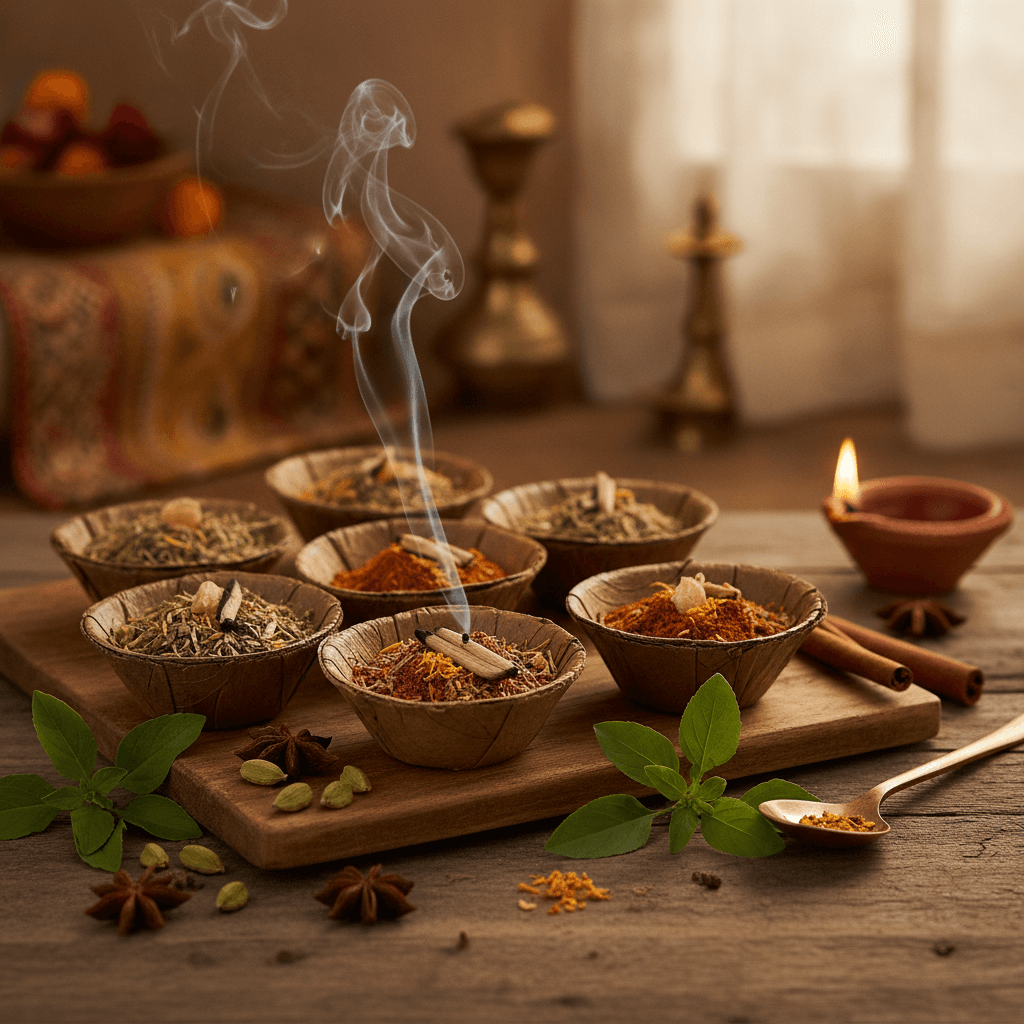
Natural Havan Cups for Pooja: A Guide to Authentic Purity
Priya KapoorTraditional Dhoop SpecialistAugust 22, 2026
What are natural havan cups for pooja?
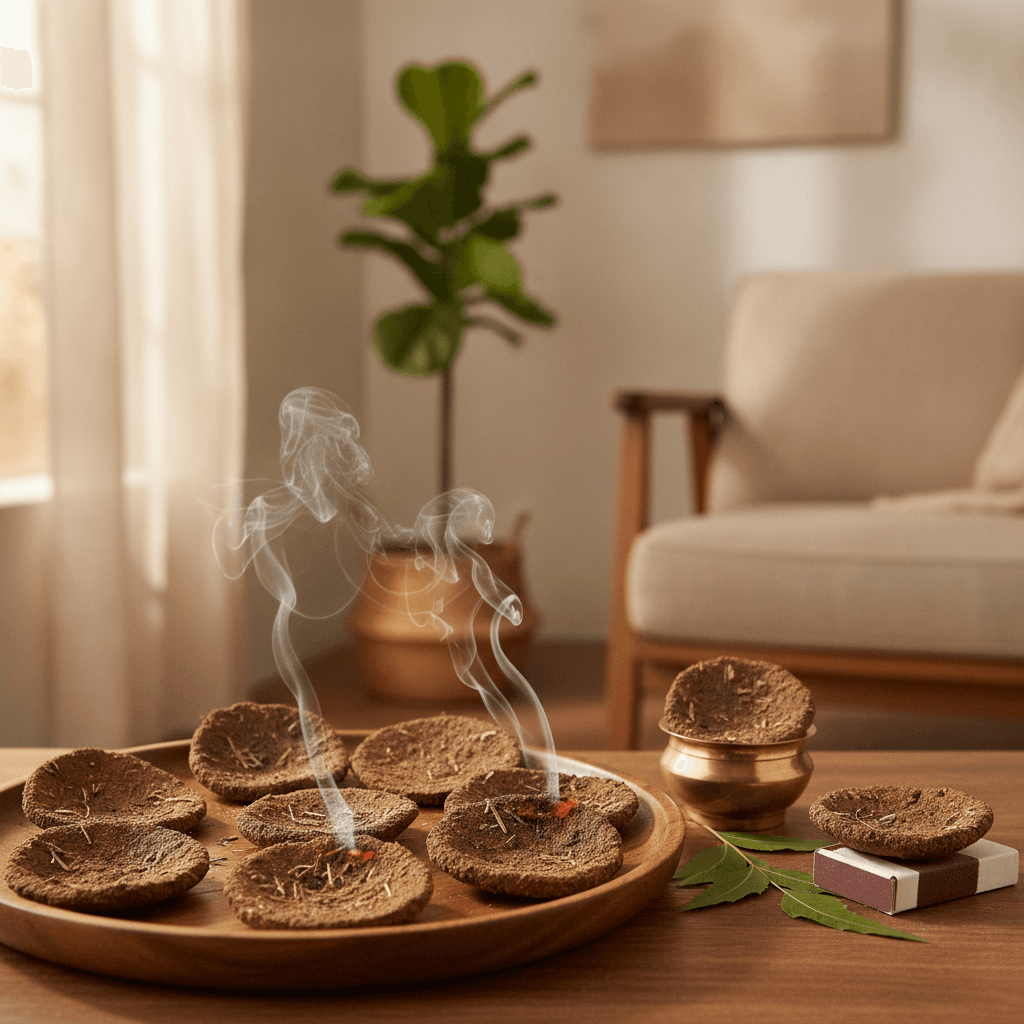
Natural havan cups for pooja are eco-friendly, combustible vessels made from pure, traditional ingredients like cow dung, ghee, sacred herbs, and resins, designed for performing Vedic fire rituals. Unlike commercially mass-produced alternatives, truly natural cups are free from synthetic binders, artificial fragrances, and harmful chemicals, ensuring spiritual purity, health safety, and environmental responsibility during sacred ceremonies. They offer an authentic connection to ancient traditions.
Key Takeaways
Most commercially labelled 'natural havan cups' contain synthetic binders, artificial fragrances, and fillers, compromising purity and safety.
Truly natural havan cups are crafted from ethically sourced cow dung, pure botanicals, and natural resins, processed using traditional handcrafting methods.
Burning synthetic ingredients releases harmful VOCs and particulate matter, posing significant health risks and diminishing the spiritual efficacy of the ritual.
Ethical sourcing, especially for ingredients like sandalwood, is crucial for environmental sustainability and ensuring the spiritual integrity of offerings.
Discerning buyers can identify genuine natural havan cups by scrutinising ingredient lists, performing sensory evaluations, and choosing transparent, reputable suppliers.
Natural havan cups for pooja are small, combustible vessels traditionally used in Hindu fire rituals (havans or yagnas) to offer sacred substances to the divine fire. These cups are designed to burn slowly, releasing aromatic smoke and spiritual vibrations, serving as a medium for prayers and intentions. While the market is flooded with products labelled 'natural,' a critical examination reveals a significant disparity between marketing claims and true ingredient purity. This guide, drawing on insights from Traditional Dhoop Specialist Priya Kapoor, delves into the authentic essence of natural havan cups, scrutinising ingredient sourcing, manufacturing integrity, and the often-overlooked environmental and health implications of non-transparent production.
The Essence of Havan: Spiritual and Historical Context
The havan, or yagna, is one of the most ancient and profound rituals in Hinduism, dating back to the Vedic period (approximately 1500-500 BCE). It is a sacred fire ceremony where offerings are made into a consecrated fire, symbolising the purification of the environment, the invocation of deities, and the seeking of blessings. The fire, Agni, is considered a divine messenger, carrying prayers and oblations to the celestial realms. For millennia, the efficacy of a havan has been intrinsically linked to the purity of its intentions and, crucially, the purity of its offerings, known as havan samagri. The composition of this samagri, often compressed into convenient havan cups, dictates the quality of the smoke, the energy generated, and the overall spiritual impact of the ritual. Historical texts like the Yajurveda extensively detail the specific herbs, resins, and grains to be used for various purposes, underscoring the deep understanding of their energetic and medicinal properties. This tradition forms the bedrock of why authenticity in natural havan cups for pooja is paramount today.
The tradition evolved from complex, multi-day public ceremonies to more accessible daily or weekly pujas performed in homes. This democratisation of the ritual necessitated simpler, smaller-scale offerings, leading to the development of formats like dhoop cups. These cups encapsulate the essence of traditional samagri in a compact, easy-to-use form, making the ancient practice more feasible for modern households. The shift, however, also opened doors for commercialisation where profit often overshadowed purity. Understanding this historical trajectory helps us appreciate the significance of discerning truly natural offerings from their synthetic counterparts. The spiritual integrity of the havan depends on an unbroken chain of pure ingredients, mirroring the unbroken chain of tradition.
The philosophical underpinnings of havan extend beyond mere ritual. It is a profound act of giving, a selfless offering that purifies the mind and environment. The smoke generated is believed to cleanse the atmospheric layers, neutralise harmful bacteria, and even influence weather patterns, according to ancient scriptures. Modern science, too, has begun to explore the antimicrobial properties of smoke from certain traditional herbs. For instance, a study published in the Journal of Ethnopharmacology in 2007 found that burning medicinal plants used in havan rituals significantly reduced airborne bacterial counts (Source: Journal of Ethnopharmacology, 2007). This confluence of spiritual belief and potential scientific validation reinforces the critical importance of using genuinely natural ingredients, as synthetic additives would negate these benefits and potentially introduce harmful elements.
Deconstructing 'Natural': The Truth About Havan Cup Ingredients
The term 'natural' is one of the most frequently misused descriptors in the consumer market, particularly within products like havan cups where ingredients are often hidden behind vague labels. For many Indian households and diaspora buyers, the expectation is that 'natural' implies purity, efficacy, and safety, aligning with ancestral practices. However, this is often not the case. The unique stance of Devdhoop is that the vast majority of commercially available 'natural havan cups for pooja' contain significant proportions of synthetic binders, artificial fragrances, and non-traditional fillers that compromise both spiritual integrity and user health. True natural cups are a rarity, requiring a deep understanding of botanical sourcing and traditional formulation.
What Constitutes True Natural Ingredients?
Truly natural havan cups are crafted from a blend of ingredients derived directly from nature, without chemical alteration or synthetic substitutes. The foundation often includes dried cow dung, a sacred and purifying element in Hinduism, known for its slow-burning properties and ability to absorb other ingredients. This is combined with potent herbs (e.g., Brahmi, Tulsi, Neem), sacred woods (e.g., Chandan, Agar), resins (e.g., Guggul, Loban), and natural oils (e.g., pure ghee, essential oils derived through steam distillation). Each component is chosen for its specific spiritual, aromatic, and sometimes medicinal, properties. For example, Guggul resin (Commiphora wightii) is prized for its purifying smoke and has documented anti-inflammatory properties (Source: Indian Council of Medical Research, 2018). The authenticity lies in the raw, unadulterated form of these ingredients, reflecting centuries of Vedic wisdom.
The selection process for these ingredients is meticulous. Herbs must be harvested at specific times to maximise their potency, woods must be sustainably sourced and aged appropriately, and resins must be pure, extracted without chemical solvents. The inclusion of pure ghee (clarified butter) is crucial not only as a binder but also as an offering, enhancing the sacred fire and carrying the essence of other ingredients. A truly natural havan cup will emit a complex, earthy, and subtly sweet aroma that evolves as it burns, a stark contrast to the flat, often cloying scent of artificially fragranced alternatives. The ash produced should be fine, white, and easily dispersible, indicative of complete and clean combustion of organic matter.
Common Adulterations and Synthetic Additives
The commercial drive for mass production and cost reduction has led to widespread adulteration in havan cups. Common synthetic additives include artificial binders like chemical glues (e.g., polyvinyl acetate, synthetic resins) to hold the cup's shape, which release noxious fumes upon burning. Fillers such as sawdust from non-sacred trees, charcoal dust, or even industrial waste are used to bulk up the product, offering no spiritual or aromatic benefit. These fillers often burn inefficiently, producing excessive smoke, soot, and an unpleasant odour. The use of colourants, often synthetic dyes, is another tell-tale sign of an impure product, as natural ingredients typically yield earthy, muted tones. These additives are not merely inert; they actively detract from the purity of the ritual.
The problem extends to the very structure and composition. While cow dung is a traditional base, some manufacturers use "cow dung ash" or significantly reduced quantities, replacing it with cheaper, less potent materials. The practice of using "perfumes" instead of natural essential oils is particularly egregious. These synthetic fragrances are often petroleum-derived and contain hundreds of unlisted chemicals, many of which are known allergens or respiratory irritants. The combustion of these compounds releases volatile organic compounds (VOCs) and particulate matter, significantly impacting indoor air quality. A 2017 study by the Royal College of Physicians in the UK highlighted indoor air pollution as a major public health concern, with scented products contributing to this issue (Source: Royal College of Physicians, 2017). This directly contradicts the purification intent of a havan.
The Problem with 'Fragrance Oils' in Sacred Offerings
Perhaps the most pervasive and insidious form of adulteration in 'natural' havan cups is the widespread use of synthetic 'fragrance oils' or 'perfumes' instead of pure essential oils or natural resins. While essential oils are concentrated botanical extracts, fragrance oils are chemically manufactured compounds designed to mimic natural scents. They are significantly cheaper to produce, allowing manufacturers to offer strong, consistent aromas without the expense or variability of genuine natural ingredients. However, their chemical composition often includes phthalates, parabens, and synthetic musks, which are endocrine disruptors and potential carcinogens. The combustion of these compounds in a sacred space introduces pollutants that are antithetical to the purpose of purification.
For a ritual intended to purify the atmosphere and elevate consciousness, the introduction of artificial chemicals through burning fragrance oils is a profound spiritual compromise. It is akin to offering artificial flowers to a deity when fresh, pure ones are the tradition. From a spiritual perspective, the vibrational frequency of synthetic chemicals is fundamentally different from that of natural botanical extracts, potentially disrupting the subtle energies intended to be invoked during the havan. Priya Kapoor, drawing on her family's longstanding practice, emphasises that "the true essence of dhoop and havan offerings lies in the authentic connection to nature's purity. When we burn synthetics, we break that sacred chain, offering something devoid of real prana or life force." This insight from Devdhoop underscores the spiritual imperative for genuine natural havan cups for pooja.
The Art of Authentic Sourcing: Ethical and Sustainable Practices
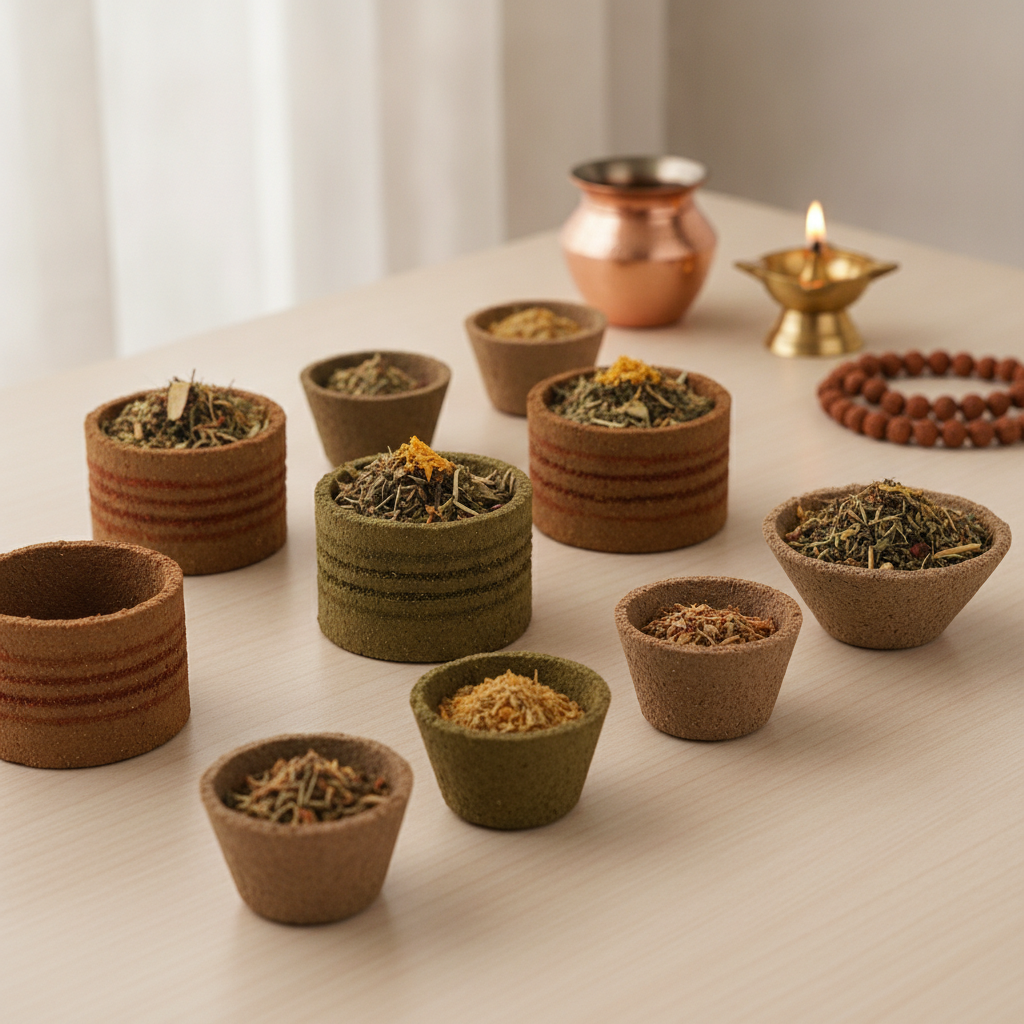
Authenticity in natural havan cups begins long before manufacturing: it starts with sourcing. Ethical and sustainable sourcing is not just an environmental imperative; it is a spiritual one, ensuring that the offerings are made with reverence for nature and fair treatment for those who cultivate and harvest these precious ingredients. This is a complex endeavour, particularly for traditional Indian botanicals, many of which are wild-harvested or come from regions with varying regulatory oversight. A transparent supply chain, where the origin and processing of each ingredient can be traced, is the hallmark of a truly authentic product. Without this diligence, even well-intentioned manufacturers can inadvertently contribute to unsustainable practices or the use of compromised materials.
Sandalwood: A Case Study in Ethical Sourcing
Sandalwood (Santalum album), or Chandan, is one of the most revered and sought-after ingredients in Indian rituals, prized for its exquisite aroma and spiritual significance. However, it also represents a significant challenge in ethical sourcing. Indian sandalwood is an endangered species, primarily due to over-harvesting and illegal logging. This scarcity has driven up prices and fuelled a black market, making it difficult for consumers to distinguish genuine, ethically sourced sandalwood from counterfeit or illegally obtained versions. Many commercial 'sandalwood' products contain synthetic sandalwood fragrances or use cheaper, less aromatic woods that have been artificially scented. True sandalwood has a distinct, deep, creamy, and long-lasting aroma that cannot be perfectly replicated by synthetics.
For natural havan cups to genuinely contain sandalwood, the source must be verifiable. This often means working with government-regulated plantations in India or seeking alternative, sustainably cultivated varieties from other regions, such as Australian sandalwood (Santalum spicatum), which, while different in scent profile, offers a more ethical alternative. Priya Kapoor's work involves "meticulously vetting suppliers to ensure that any sandalwood included in Devdhoop products comes from certified, sustainable sources, often collaborating with local communities who practice responsible forestry." This commitment mitigates ecological damage and ensures that the spiritual offering itself is not tainted by exploitation. Consumers must be aware that if a "sandalwood" havan cup is unusually inexpensive, it is almost certainly not genuine Indian sandalwood.
Resins, Herbs, and Gums: Ensuring Purity
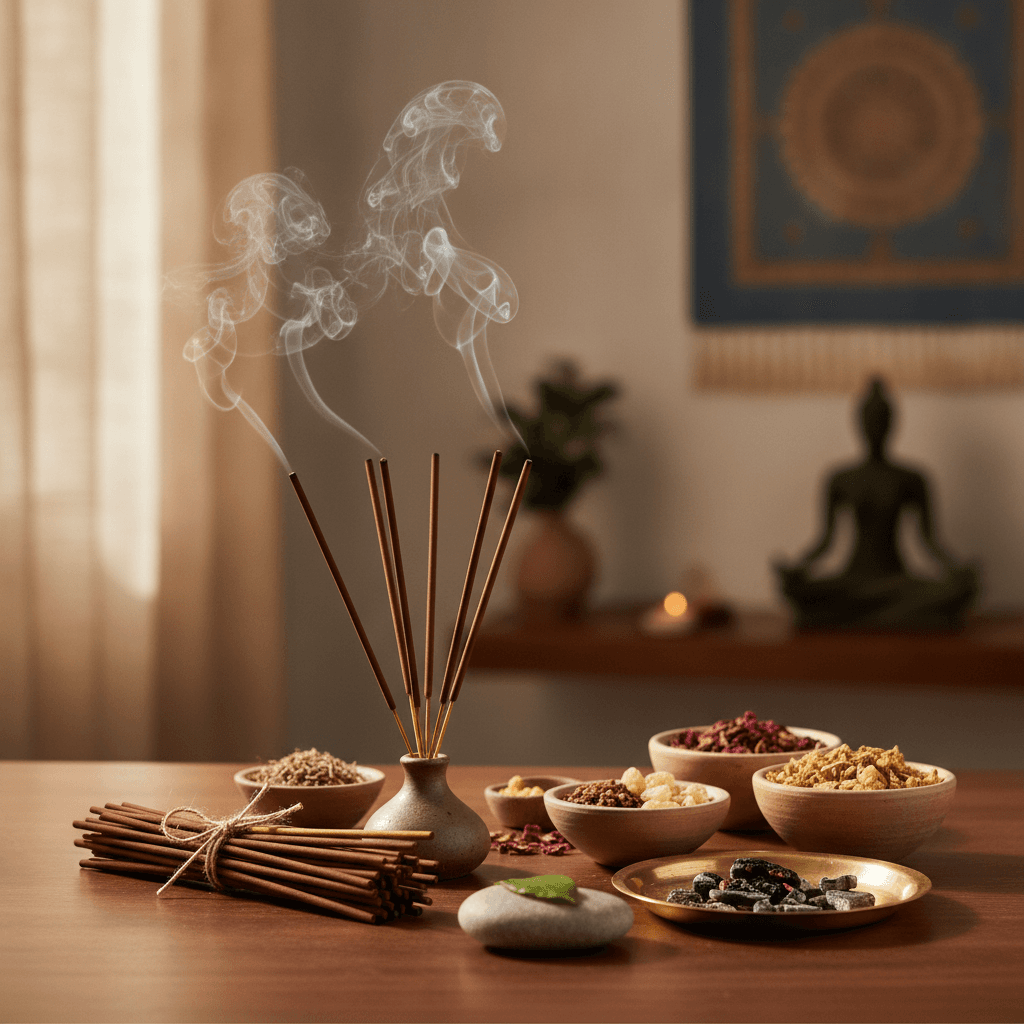
Beyond sandalwood, other essential ingredients like Guggul (Commiphora wightii), Loban (Styrax benzoin), and various sacred herbs (e.g., Tulsi, Neem, Brahmi) also require careful sourcing. Resins, harvested from tree bark, must be pure and free from debris or artificial hardening agents. The quality of these resins directly influences the aroma and properties of the smoke. For instance, authentic Loban releases a sweet, vanilla-like aroma with purifying qualities, whereas impure versions can smell acrid or chemical. Herbs must be organically grown, free from pesticides, and properly dried to retain their aromatic and energetic compounds. The use of wild-harvested herbs necessitates knowledge of sustainable foraging practices to prevent depletion of natural populations.
Gums, often used as natural binders, must also be pure. Gum Arabic, derived from acacia trees, is a traditional choice, offering a natural adhesive quality without introducing synthetic chemicals. The purity of these ingredients is not just about avoiding contaminants; it is about preserving their inherent life force and spiritual potency. A havan cup made with pesticide-laden herbs or chemically treated resins cannot carry the same vibrational purity as one crafted from pristine, naturally derived materials. This level of detail in sourcing is what distinguishes a truly natural product and aligns with the deep respect for nature inherent in Hindu traditions. The integrity of the offering reflects the integrity of the devotee's intent.
The Role of Binders: Natural Versus Synthetic
Binders are crucial for forming havan cups, holding the powdered ingredients together. In truly natural havan cups, binders are exclusively natural, traditionally sourced elements. Cow dung, in its dried and powdered form, is an excellent natural binder, contributing to the slow burn and purifying properties. Other natural binders include tree resins like Gum Arabic, natural starches (e.g., from rice or wheat), or even a small amount of pure jaggery (unrefined cane sugar). These binders decompose cleanly upon burning, releasing no harmful chemicals. They integrate seamlessly with the other ingredients, allowing their natural aromas and energies to manifest without interference. The selection of a natural binder demonstrates a complete commitment to purity throughout the product's composition.
In stark contrast, commercially produced havan cups frequently rely on synthetic binders such as chemical glues (e.g., polyvinyl acetate, ethyl vinyl acetate), synthetic resins, or industrial polymers. These binders are cheaper, stronger, and offer greater manufacturing consistency, but they come at a significant cost. Upon combustion, these synthetic compounds release volatile organic compounds (VOCs), formaldehyde, phthalates, and other harmful pollutants into the air. These chemicals can cause respiratory irritation, headaches, and long-term health issues, completely undermining the purifying and health-promoting claims often associated with havan. The UK's Department for Environment, Food & Rural Affairs (DEFRA) continuously monitors indoor air quality, and the burning of synthetic materials is a known contributor to harmful particulate matter (Source: DEFRA, 2023). Identifying the type of binder used is a key indicator of a havan cup's true natural status and its safety profile.
Manufacturing True Natural Havan Cups: A Traditional Process
The manufacturing of truly natural havan cups is not merely an industrial process; it is an artisanal craft rooted in tradition, demanding patience, skill, and a deep respect for the ingredients. Unlike automated production lines that prioritise speed and volume, the creation of authentic cups focuses on preserving the integrity of each component and ensuring a product that burns cleanly and effectively. This often involves manual labour and small-batch production, a stark contrast to the mass-produced alternatives that compromise quality for scale. The meticulous attention to detail at every stage, from ingredient preparation to drying, is what ensures the final product lives up to its 'natural' claim and delivers the desired spiritual and aromatic experience.
Handcrafting Techniques for Purity and Integrity
The journey of a natural havan cup begins with the careful grinding and blending of individual ingredients. Sacred woods, resins, and herbs are often ground into fine powders using traditional methods, avoiding high-speed machinery that can generate excessive heat and degrade delicate aromatic compounds. These powders are then mixed with natural binders, typically a paste made from cow dung, water, and perhaps a small amount of pure ghee or starch. The proportions are critical, often passed down through generations, ensuring the mixture has the right consistency for shaping and optimal burning. The mixture is then hand-pressed into moulds or sculpted by hand to form the distinct cup shape. This manual process allows for greater control over density and uniformity, preventing air pockets that could lead to uneven burning. Handcrafting ensures that no excessive pressure or heat is applied, preserving the volatile compounds responsible for the cup's fragrance and spiritual properties.
After shaping, the havan cups undergo a crucial drying process. They are typically air-dried slowly in shaded, well-ventilated areas, protected from direct sunlight which can cause rapid drying and cracking, or from dampness which can lead to mould. This slow drying can take several days or even weeks, depending on the climate and cup size. This unhurried method allows the natural binders to set properly and the moisture to evaporate gradually, resulting in a strong, stable cup that will burn evenly. In contrast, industrial production often uses forced-air dryers or ovens to accelerate drying, which can alter the chemical structure of natural ingredients and reduce their aromatic potency. The patience involved in traditional handcrafting is a testament to the reverence for the ritual and the desire to create a truly pure offering, aligning with the ethos that "good things come to those who wait."
Quality Control and Purity Checks in Production
For authentic manufacturers like those supplying Devdhoop, quality control is an ongoing process, not just a final inspection. It starts with vetting raw material suppliers for purity and ethical sourcing, as discussed earlier. During the blending stage, consistency checks ensure that the correct proportions of each ingredient are maintained. After shaping, visual inspections identify any irregularities in form or texture. Crucially, batch testing is performed to assess the burning characteristics, aroma profile, and smoke output of the finished cups. A truly natural havan cup will burn steadily, produce a fragrant, non-acrid smoke, and leave behind fine, white ash. Any deviation signals a potential issue with ingredients or manufacturing.
Modern analytical techniques can also supplement traditional quality checks. Gas Chromatography-Mass Spectrometry (GC-MS) can be used to verify the presence of natural essential oil components and detect synthetic fragrances or adulterants. Inductively Coupled Plasma-Mass Spectrometry (ICP-MS) can identify heavy metals or other inorganic contaminants in the raw materials. While these sophisticated tests might not be feasible for all small-scale traditional producers, reputable brands committed to genuine natural havan cups invest in such measures or partner with laboratories to ensure their claims of purity are verifiable. This level of diligence provides the trustworthiness that consumers, particularly those in the diaspora seeking authentic experiences, demand. As Priya Kapoor notes, "Transparency and verifiable quality are non-negotiable when dealing with sacred offerings. Our customers deserve to know exactly what they are bringing into their homes and rituals."
Health and Well-being: The Impact of Havan Cup Ingredients
The substances we burn during rituals directly influence the air we breathe and, consequently, our health and well-being. This is a critical aspect often overlooked by consumers focused solely on scent or price. The traditional belief in havan's purifying properties extends to its impact on physical and mental health. When truly natural havan cups for pooja are used, the smoke can indeed have beneficial effects, aligning with ancient Ayurvedic principles. Conversely, impure or synthetic ingredients can introduce significant health risks, transforming a sacred act into a potential health hazard. Understanding this distinction is vital for making informed choices for your home and family.
Benefits of Pure Ingredients for Respiratory Health and Mind
Pure, natural ingredients in havan cups offer several potential benefits. The smoke from sacred herbs like Tulsi (Holy Basil) and Neem is traditionally believed to possess antimicrobial and insecticidal properties. Scientific research has shown that burning certain botanicals can indeed reduce airborne bacteria and purify the environment. For example, a 2017 review published in the Journal of Ayurveda and Integrative Medicine highlighted the traditional use of dhoop and havan smoke for its potential to cleanse the atmosphere and promote respiratory health when made with specific herbs (Source: Journal of Ayurveda and Integrative Medicine, 2017). Furthermore, the natural aromas of sandalwood, Guggul, and pure essential oils are known for their calming and mood-enhancing effects, contributing to a meditative state. These natural fragrances are complex, interacting with our olfactory system in ways that synthetic perfumes cannot replicate, often promoting relaxation, focus, and a sense of spiritual upliftment.
The act of performing havan itself, with its focus on breath and intention, is a meditative practice that reduces stress. When combined with the clean, natural aromas of authentic havan cups, the experience becomes holistic. The absence of harsh chemicals means less irritation to the respiratory system, allowing individuals to breathe deeply and engage fully in the ritual. This contributes to a sense of peace and spiritual connection, enhancing mental clarity and emotional balance. For diaspora communities, maintaining these traditions with pure ingredients is also a way to preserve cultural heritage in a healthy manner, connecting past generations with present practices without compromising on modern health standards.
Risks of Synthetic Components and Adulterants
The burning of havan cups containing synthetic binders, artificial fragrances, and cheap fillers poses considerable health risks. These materials often release a cocktail of harmful chemicals, including volatile organic compounds (VOCs) like benzene and formaldehyde, particulate matter (PM2.5), phthalates, and synthetic musks. Inhalation of these substances can lead to immediate symptoms such as headaches, nausea, dizziness, and irritation of the eyes, nose, and throat. For individuals with asthma, allergies, or other respiratory conditions, exposure can trigger severe attacks or exacerbate symptoms. Long-term exposure to these indoor air pollutants is linked to more serious health concerns, including respiratory diseases, cardiovascular problems, and even certain cancers.
A 2013 study published in Environmental Chemistry Letters found that burning incense sticks (which often share similar synthetic ingredients with havan cups) significantly increased indoor concentrations of PM2.5 and VOCs, raising concerns about potential health impacts (Source: Environmental Chemistry Letters, 2013). These findings are particularly relevant for daily puja practices in enclosed spaces common in homes. The irony is profound: a ritual intended for purification can, with impure ingredients, become a source of pollution. It is crucial for consumers to recognise that the immediate pleasant "fragrance" of a synthetic havan cup masks a hidden cost to health. Prioritising genuine natural havan cups for pooja is an act of self-care and responsibility towards family members, especially children and the elderly, who are more susceptible to indoor air pollution.
Safety Guidelines for Using Havan Cups
Ensure Good Ventilation: Always use havan cups in a well-ventilated area. Open windows or doors to allow fresh air circulation and prevent the build-up of smoke and potential pollutants, even when using natural products.
Place on a Heat-Resistant Surface: Havan cups generate heat. Always place them on a ceramic, metal, or other heat-proof stand or plate to prevent damage to furniture and reduce fire risk.
Keep Away from Flammables: Ensure the burning cup is far from curtains, paper, wood, or any other combustible materials.
Supervise Children and Pets: Keep burning havan cups out of reach of children and pets to prevent accidental burns or ingestion.
Avoid Direct Inhalation: While natural smoke can be beneficial, prolonged direct inhalation of any smoke should be avoided. Maintain a reasonable distance.
Extinguish Properly: Ensure the cup is fully extinguished and cool before disposing of it. Douse with water if necessary.
Choose Authentic Products: Prioritise genuinely natural havan cups from reputable suppliers to minimise exposure to harmful chemicals and maximise the ritual's benefits. Refer to resources like Devdhoop for guidance on authentic ingredients and safe usage.
Spiritual Efficacy and Purity: Why Ingredients Matter
Beyond the tangible aspects of health and environmental impact, the choice of ingredients in havan cups carries profound spiritual significance. In Vedic traditions, every offering is imbued with symbolic meaning and energetic properties. The purity of an offering directly correlates with its efficacy in connecting with the divine and invoking positive energies. When we offer something impure, adulterated, or synthetically manufactured, it is believed to diminish the spiritual potency of the ritual, potentially even creating negative vibrations. This perspective elevates the selection of natural havan cups for pooja from a mere consumer choice to a sacred duty, essential for maintaining the integrity of spiritual practice.
Connecting with the Divine: The Role of Authentic Offerings
The havan is a dialogue with the divine, a means to express gratitude, seek blessings, and purify one's karma. In this dialogue, the offerings act as a medium, carrying our intentions to the celestial realms. Just as one would not offer stale food to a revered guest, traditional texts emphasise the importance of offering pure, fresh, and authentic substances to the deities. Natural ingredients like cow dung, ghee, and specific herbs are considered sattvic (pure, harmonious) and possess unique energetic frequencies that resonate with divine energies. When these pure ingredients are offered, they facilitate a clearer channel for spiritual connection, enhancing the meditative and devotional aspects of the ritual. The authenticity of the offering validates the sincerity of the devotee's intent, fostering a deeper sense of spiritual fulfilment and alignment.
The very act of seeking out and using genuinely natural havan cups is an expression of devotion and respect for tradition. It demonstrates an understanding that the external purity of the offering mirrors the internal purity of the worshipper's heart. This conscious choice reinforces the spiritual discipline and elevates the entire ritual experience. It moves beyond superficial observance to a profound engagement with the principles of dharma and spiritual integrity. Priya Kapoor notes, "My family's practice has always centred on the belief that the purity of the offering directly impacts the purity of our connection. It's not just about the smell; it's about the soul of what you offer."
The Vibrational Aspect of Natural Substances
Ancient wisdom traditions, including Ayurveda and Yoga, speak of the subtle energetic properties (prana or life force) inherent in natural substances. Each herb, wood, and resin is believed to possess a unique vibrational frequency that influences the environment and the individual. When these natural substances are burned, their prana is released into the atmosphere, creating a specific energetic field conducive to meditation, healing, or spiritual invocation. For example, sandalwood is associated with calmness and spiritual awakening, while Guggul is believed to purify and protect. These energetic properties are intrinsic to the natural material itself.
Synthetic fragrances and chemical binders, by contrast, lack this inherent prana. They are inert from a vibrational perspective and, upon combustion, release artificial energies that can disrupt the subtle field intended for the ritual. It's a fundamental difference: natural substances uplift and harmonise, while synthetics can introduce dissonance. This distinction is paramount for those who engage in havan not just as a cultural practice but as a deeply spiritual one, seeking to harness specific energies for personal and environmental well-being. The selection of truly natural havan cups for pooja is thus an act of conscious energetic alignment, ensuring that the vibrations generated during the ritual are pure, beneficial, and conducive to spiritual growth.
Avoiding Spiritual Compromise with Impure Offerings
The use of impure or synthetic offerings can lead to a spiritual compromise, where the outward performance of a ritual lacks its inner essence. This isn't about superstition but about integrity. If the intention of a havan is purification and connection, then offerings that introduce pollution or artificiality fundamentally contradict that purpose. This can lead to a feeling of disconnect, a sense that the ritual is not yielding the desired spiritual benefits, or even a subtle feeling of dissatisfaction. For dedicated practitioners, this compromise can be deeply unsettling, as it undermines the very foundation of their faith and practice.
Moreover, the deception involved in marketing synthetic products as 'natural' can be seen as a spiritual affront. It exploits the trust of devotees who genuinely seek to honour their traditions. By actively choosing truly natural havan cups, devotees are not only ensuring the purity of their own rituals but also making a statement against misleading practices in the spiritual marketplace. This choice supports ethical production and contributes to the preservation of authentic traditions, reinforcing the collective spiritual fabric. It is a commitment to truth and purity that resonates on both individual and community levels, upholding the sanctity of the havan.
Identifying Genuine Natural Havan Cups: A Buyer's Guide
Given the prevalence of misleading 'natural' claims, how can a discerning consumer identify truly natural havan cups for pooja? It requires vigilance, critical thinking, and a willingness to look beyond marketing hype. As a Traditional Dhoop Specialist, Priya Kapoor frequently advises her community on how to navigate the complex market, stressing that "the onus is on the buyer to be informed and to demand transparency from manufacturers." This guide provides practical steps and indicators to help you make informed choices, ensuring your puja offerings are genuinely pure and effective.
Label Reading and Certifications: What to Look For
Ingredient List: A truly natural product will have a clear, comprehensive ingredient list that names specific botanicals (e.g., "Santalum album wood powder," "Boswellia serrata resin," "cow dung," "pure ghee"). Be wary of vague terms like "natural fragrance," "perfume," "binders," or "herbal blend" without further specificity. The fewer and more identifiable the ingredients, the better.
Absence of Synthetics: Explicitly look for statements like "No artificial fragrances," "No synthetic binders," "Phthalate-free," "Paraben-free." While not all natural products will have these, their presence indicates a manufacturer's commitment to avoiding harmful chemicals.
Certifications: While rare for this specific product category, some manufacturers might adhere to organic certifications for their herbs or sustainable forestry certifications for woods (e.g., FSC for wood products, though less common for havan cups). Look for transparency about sourcing practices.
Manufacturing Location: Products manufactured in regions known for traditional practices (e.g., specific parts of India) and by smaller, artisanal producers are often more likely to be authentic than those from large industrial facilities with opaque supply chains.
Batch Numbers and Dates: Reputable manufacturers will include batch numbers and manufacturing/expiry dates, indicating quality control and freshness.
Sensory Evaluation: Smell, Texture, and Burn Characteristics
Your senses are powerful tools in discerning authenticity. First, the smell of an unburnt natural havan cup should be subtle, earthy, and complex, reflecting its botanical components. It should not have an overpowering, singular, or chemically sharp aroma. If it smells strongly of a generic 'sandalwood' or 'rose' perfume even before burning, it likely contains artificial fragrances. The texture should feel somewhat coarse or fibrous, not uniformly smooth like a pressed charcoal briquette, indicating the presence of natural, ground botanicals and cow dung. It should be firm but not brittle.
When burning, observe the smoke and ash. A truly natural havan cup will produce a light, fragrant smoke that is not overly dense or acrid. The aroma will be nuanced and evolve as it burns, a clear indicator of complex natural ingredients. The ash should be fine, mostly white or light grey, and crumbly, resembling the ash from burnt wood or dried herbs. If the ash is black, hard, clumpy, or leaves a greasy residue, it suggests the presence of synthetic binders, charcoal, or other impurities. Excessive smoke, flickering flames, or a persistent chemical odour are definitive red flags. The burn time should also be consistent with the size and density, often a slow, steady burn. A cup that burns too quickly or unevenly might indicate poor quality or inconsistent binding.
Reputable Suppliers and Transparency in the Market
The most reliable way to ensure you are buying genuine natural havan cups is to purchase from reputable suppliers who are transparent about their sourcing and manufacturing processes. Websites like Devdhoop are committed to providing detailed information about their dhoop products, including ingredient origins and ethical considerations. Look for vendors who openly discuss their commitment to traditional methods, sustainability, and avoiding synthetic additives. Customer reviews can also offer valuable insights, especially those that comment on the aroma, burn quality, and perceived purity. Engage with brands that invite questions about their products; a willingness to answer demonstrates confidence in their authenticity.
Consider supporting smaller, artisanal producers or community-based initiatives that focus on traditional craftsmanship and local ingredient sourcing. These entities often have a direct connection to the raw materials and a vested interest in maintaining purity. While they might not offer the lowest prices, the investment in their products is an investment in authenticity, spiritual efficacy, and responsible consumption. In the UK, where access to traditional Indian ingredients can be challenging, platforms that bridge this gap with integrity, like Devdhoop, become invaluable resources for diaspora communities seeking to maintain their sacred practices with uncompromising purity.
Beyond the Burn: Proper Disposal and Environmental Responsibility
The journey of a havan cup does not end once it has burned down to ash. For a ritual deeply rooted in reverence for nature, the disposal of its remnants carries its own set of environmental implications and spiritual considerations. Just as the purity of ingredients during the burn is crucial, the mindful disposal of the ash and unburnt fragments is an extension of our respect for the environment and the sacred cycle of life. This aspect is particularly pertinent for diaspora communities, where traditional disposal methods might be less accessible, necessitating creative yet responsible approaches.
Eco-Friendly Disposal Practices
For truly natural havan cups, the ash consists of pure organic matter and mineral residues, making it inherently biodegradable and often beneficial. The most traditional and eco-friendly method of disposal is to return the ash to nature. This can involve scattering it in a garden, under a tree, or into a flowing body of water (river, pond, sea), provided it is a clean, natural body of water and local regulations permit. This symbolic act completes the cycle of offering, returning the sacred remnants to the earth from which their ingredients originated. The ash from pure cow dung and herbs can even act as a natural fertiliser, enriching the soil with minerals. If outdoor disposal is not feasible, the ash can be composted, mixed with potting soil for houseplants, or simply placed in a biodegradable waste bin.
However, if the havan cups contained synthetic binders, artificial fragrances, or other chemical additives, their ash should not be returned to nature. Such ash may contain harmful chemicals and heavy metals that can contaminate soil and water, negating the purification intent of the ritual. In these cases, the ash should be disposed of with regular household waste, preferably in a sealed bag to prevent airborne dispersal. This distinction underscores another critical reason to choose genuinely natural havan cups for pooja: they simplify responsible disposal and ensure that your spiritual practice remains in harmony with environmental stewardship. The choice extends beyond the ritual itself, influencing our ecological footprint.
Minimizing the Carbon Footprint of Havan Rituals
Beyond ingredient purity and disposal, the overall environmental impact of havan rituals, particularly when performed frequently, is a consideration. Choosing suppliers who prioritise sustainable sourcing practices significantly reduces this footprint. For instance, opting for sandalwood from certified plantations over illegally harvested wood, or supporting local, organic herb farmers, contributes to ecological balance. Minimising packaging waste is also important; look for products with minimal, recyclable, or compostable packaging. The transportation emissions associated with sourcing ingredients and distributing finished products are another factor. Supporting local producers where possible, or companies with efficient and consolidated supply chains, helps reduce the carbon impact.
In the UK, where many traditional ingredients are imported, the carbon footprint of products can be higher. This makes the transparency of suppliers even more crucial. Priya Kapoor, living in the UK, often highlights "the importance of conscious consumption – understanding the entire lifecycle of a product, from farm to flame to ash. We must strive to ensure our spiritual practices are not at odds with our environmental values." This holistic approach to sustainability, encompassing sourcing, manufacturing, usage, and disposal, ensures that the act of havan remains a truly purifying and beneficial practice for both the individual and the planet. This commitment to reducing environmental impact is a modern expression of ancient reverence for nature, providing a compelling reason to choose natural havan cups for pooja from transparent and ethical brands.
Havan Cups in the Diaspora: Bridging Tradition and Modernity
For Indian households living outside India, particularly in countries like the UK, performing traditional pujas and havans presents unique challenges and opportunities. The desire to maintain cultural and spiritual connections often clashes with the availability of authentic ingredients, leading many to inadvertently compromise on purity due to lack of information or accessible alternatives. This section explores the specific hurdles faced by the diaspora and how informed choices regarding natural havan cups can help bridge the gap between ancient traditions and modern living, ensuring cultural continuity without sacrificing integrity.
Sourcing Challenges and Solutions for Diaspora Communities
One of the primary challenges for the Indian diaspora is the limited availability of genuinely traditional and natural havan samagri. Local 'Indian stores' may stock products labelled 'natural,' but as this article has highlighted, these often contain synthetic additives. Importing ingredients directly can be expensive, complex due to customs regulations, and raises questions about freshness and storage. This scarcity often forces individuals to either compromise on ingredient purity or abandon certain rituals altogether. However, solutions are emerging. Specialised online retailers, like Devdhoop, are increasingly focusing on authentic, ethically sourced dhoop and havan products, directly addressing this market need. These platforms often work directly with traditional artisans and farmers in India, ensuring ingredient integrity and offering transparency that local generic stores cannot match. This direct-to-consumer model, often leveraging global logistics, makes authentic offerings more accessible than ever before, reducing the need for compromises.
Another solution lies in community networks. Diaspora communities often form groups that pool resources to import bulk quantities of authentic ingredients from trusted sources. This collective effort not only reduces individual costs but also fosters a sense of shared cultural preservation. Education within these communities, through workshops and online resources, is vital to raise awareness about the differences between truly natural and commercially adulterated products. Empowering individuals with the knowledge to identify genuine natural havan cups for pooja is the first step towards overcoming sourcing challenges. This collective knowledge and purchasing power can create a demand for higher quality, authentic products, influencing the market towards greater integrity.
Maintaining Authenticity Abroad: Priya Kapoor's Perspective
Priya Kapoor, a Traditional Dhoop Specialist living in the UK, offers a unique and valuable perspective on maintaining authenticity in havan practices within the diaspora. "Living in the UK, I've seen firsthand the dilemma many families face," she shares. "They want to perform puja with the same devotion and purity as their ancestors, but the market here often fails to provide genuinely natural products. My goal with Devdhoop is to bridge that gap, ensuring that the essence of our traditions is not lost due to geographical distance or commercial compromise." Her experience highlights the importance of education and reliable access to high-quality, transparently sourced offerings.
Priya emphasises that authenticity is not just about the ingredients themselves, but also about the intention and understanding behind their use. "Even if you cannot replicate every single element of a traditional havan due to practical constraints, by prioritising the purity of what you can offer – especially the havan cups – you maintain the spiritual integrity of the ritual. It's about making conscious choices that honour the tradition, even when adapting it to a new cultural context." This perspective encourages diaspora members to be discerning consumers, to ask questions, and to seek out resources that align with their commitment to authentic practice. By doing so, they ensure that the sacred fire continues to burn brightly, connecting them to their roots and sustaining their spiritual heritage for future generations, no matter where they are in the world.
Conclusion: The Sacred Duty of Purity and Intent
The journey through the world of natural havan cups for pooja reveals a landscape often obscured by misleading marketing and commercial pressures. For devotees seeking to perform sacred rituals with true spiritual efficacy and without compromising their health or environmental values, understanding the profound difference between genuinely natural and synthetically adulterated offerings is paramount. We have explored the historical and spiritual significance of havan, dissected the true meaning of 'natural' ingredients versus pervasive industrial substitutes, and underscored the critical importance of ethical sourcing and traditional manufacturing.
The health implications of burning artificial chemicals, the spiritual compromise of impure offerings, and the environmental responsibility inherent in our disposal practices all converge to highlight a single, undeniable truth: the purity of our offerings directly reflects the purity of our intent. As Priya Kapoor from Devdhoop passionately advocates, making informed choices about what we burn in our sacred spaces is not merely a consumer decision; it is a sacred duty. By choosing truly natural havan cups, we honour ancient traditions, protect our well-being, cherish our planet, and foster an authentic, unadulterated connection with the divine. Let the sacred smoke rise, pure and true, carrying our deepest prayers and aspirations.
Frequently Asked Questions
What makes a havan cup 'natural'?
A havan cup is truly natural when it is made exclusively from pure, traditionally derived ingredients like cow dung, ghee, sacred herbs, and resins, without any synthetic binders, artificial fragrances, or chemical fillers. These natural components are ethically sourced and processed using traditional methods.
Why should I avoid havan cups with artificial fragrances?
Havan cups with artificial fragrances often contain petroleum-derived chemicals, phthalates, and synthetic musks, which release harmful volatile organic compounds (VOCs) and particulate matter upon burning. These can cause respiratory irritation, headaches, and long-term health issues, compromising both spiritual purity and physical well-being.
How can I identify genuine sandalwood in havan cups?
Genuine sandalwood in havan cups will contribute to a subtle, deep, and creamy aroma that is not overpowering or singularly sweet. Be wary of unusually inexpensive 'sandalwood' products, as true Indian sandalwood is endangered and often replaced by synthetics or cheaper, less aromatic woods. Look for transparency in sourcing.
Are there environmental concerns with havan cups?
Yes, havan cups can have environmental concerns if they contain synthetic materials that release pollutants upon burning or if ingredients are unethically sourced (e.g., illegally harvested sandalwood). Truly natural cups, when disposed of properly, are biodegradable and can even enrich soil, aligning with ecological harmony.
Where can I find reliable natural havan cups in the UK?
For those in the UK diaspora, finding reliable natural havan cups involves seeking out specialised online retailers committed to authentic, ethically sourced products and transparency in ingredients. Platforms like Devdhoop focus on bridging this gap by providing detailed information and ensuring the integrity of their offerings.