Cow Dung Dhoop Cups: The Ultimate Guide to Purity and Purpose
Priya KapoorTraditional Dhoop SpecialistAugust 24, 2026
What are cow dung dhoop cups?
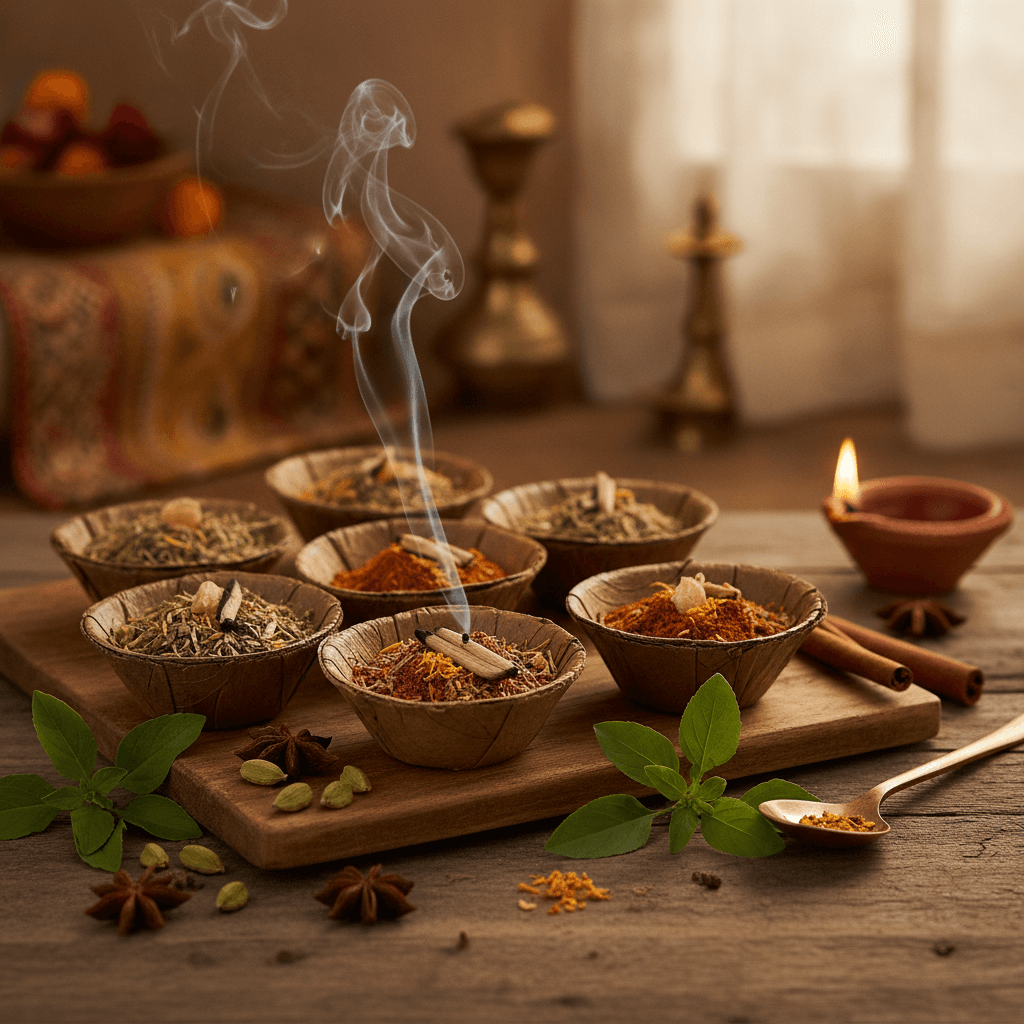
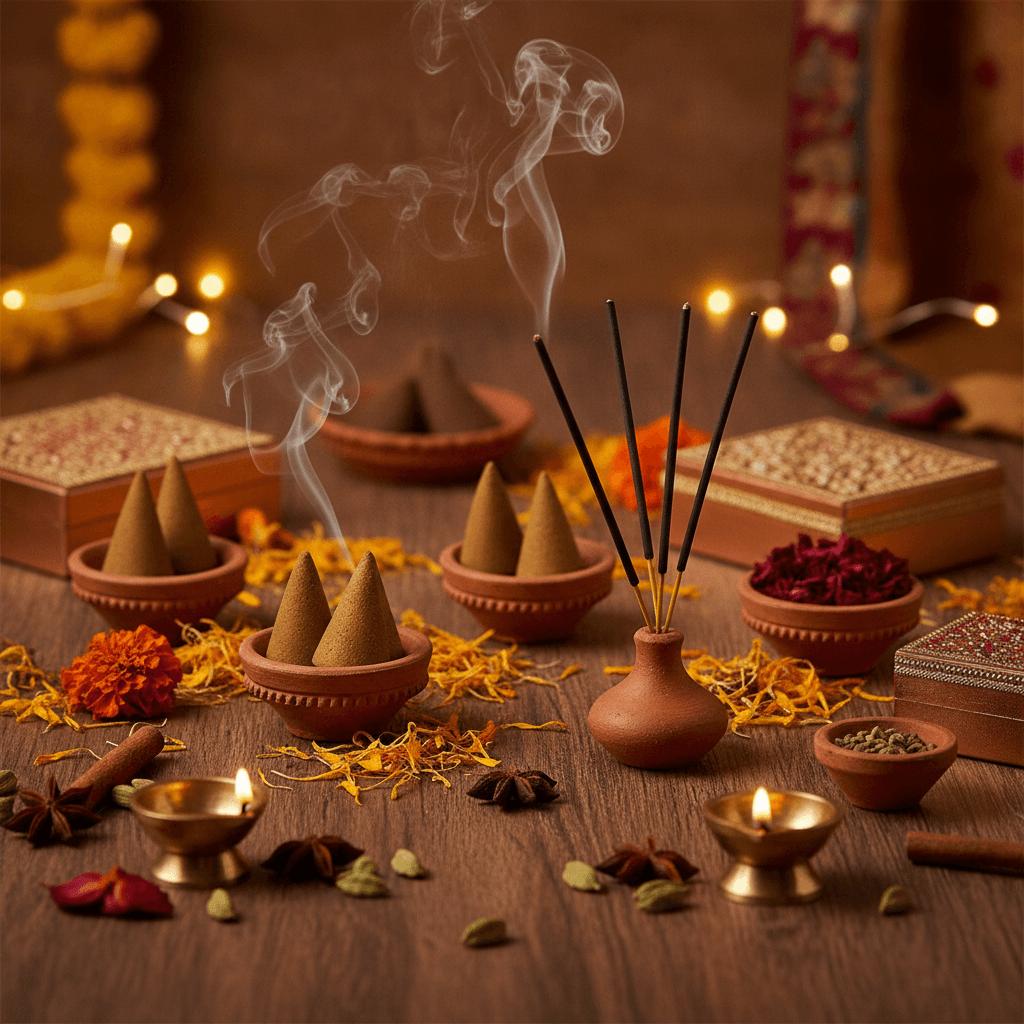
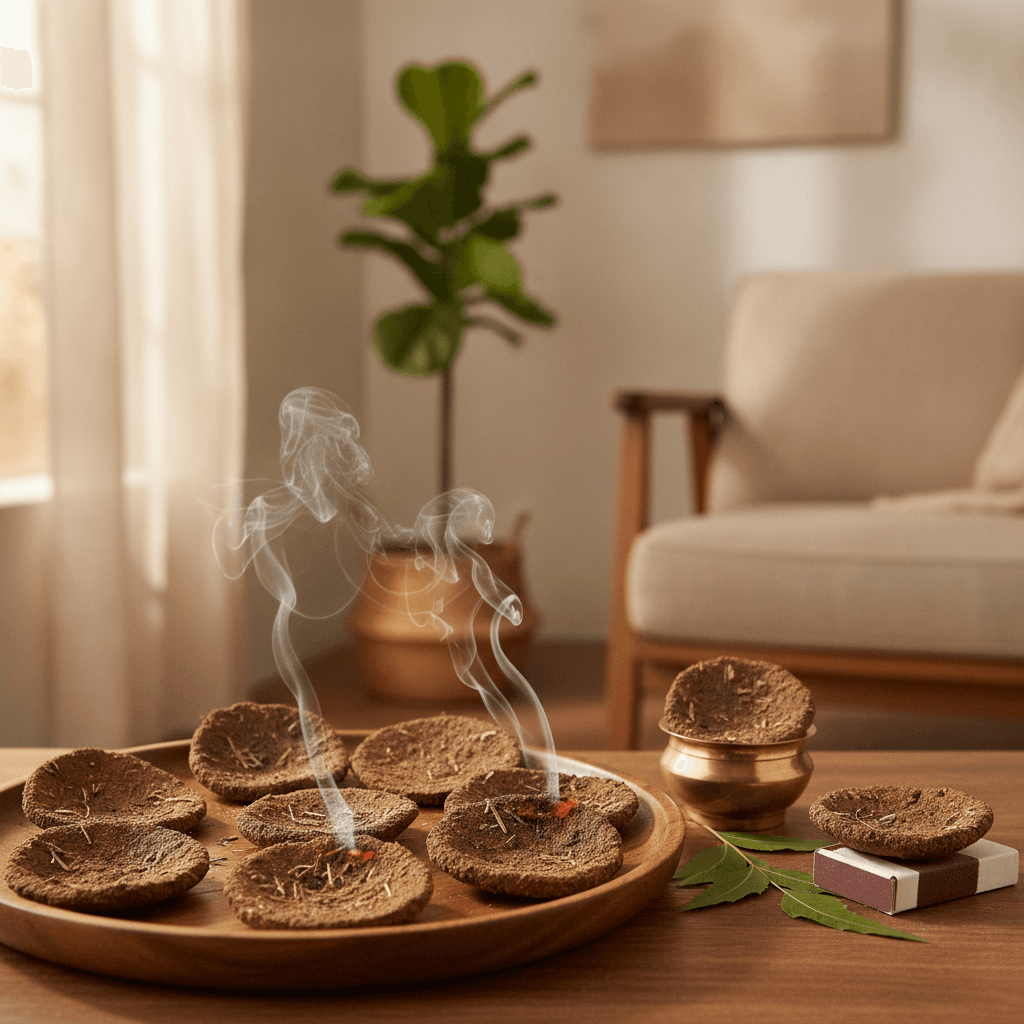
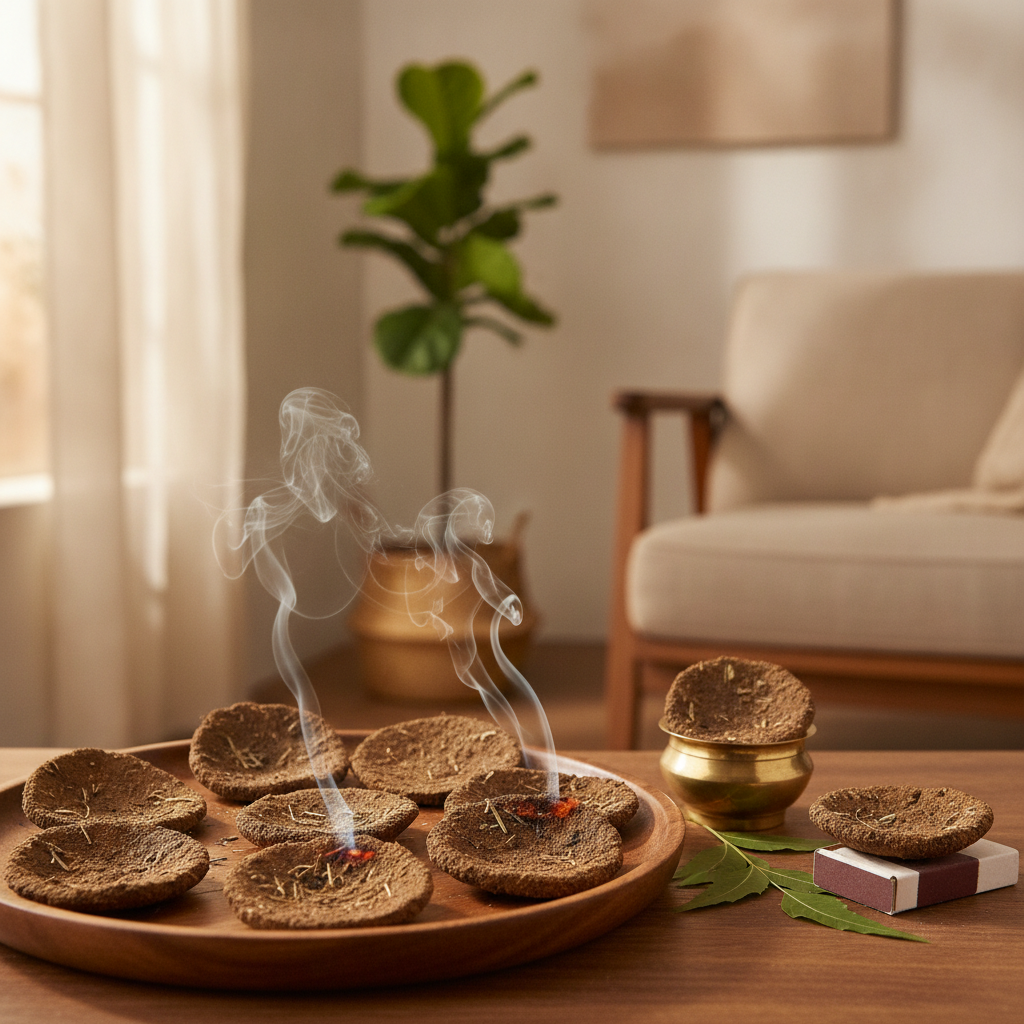
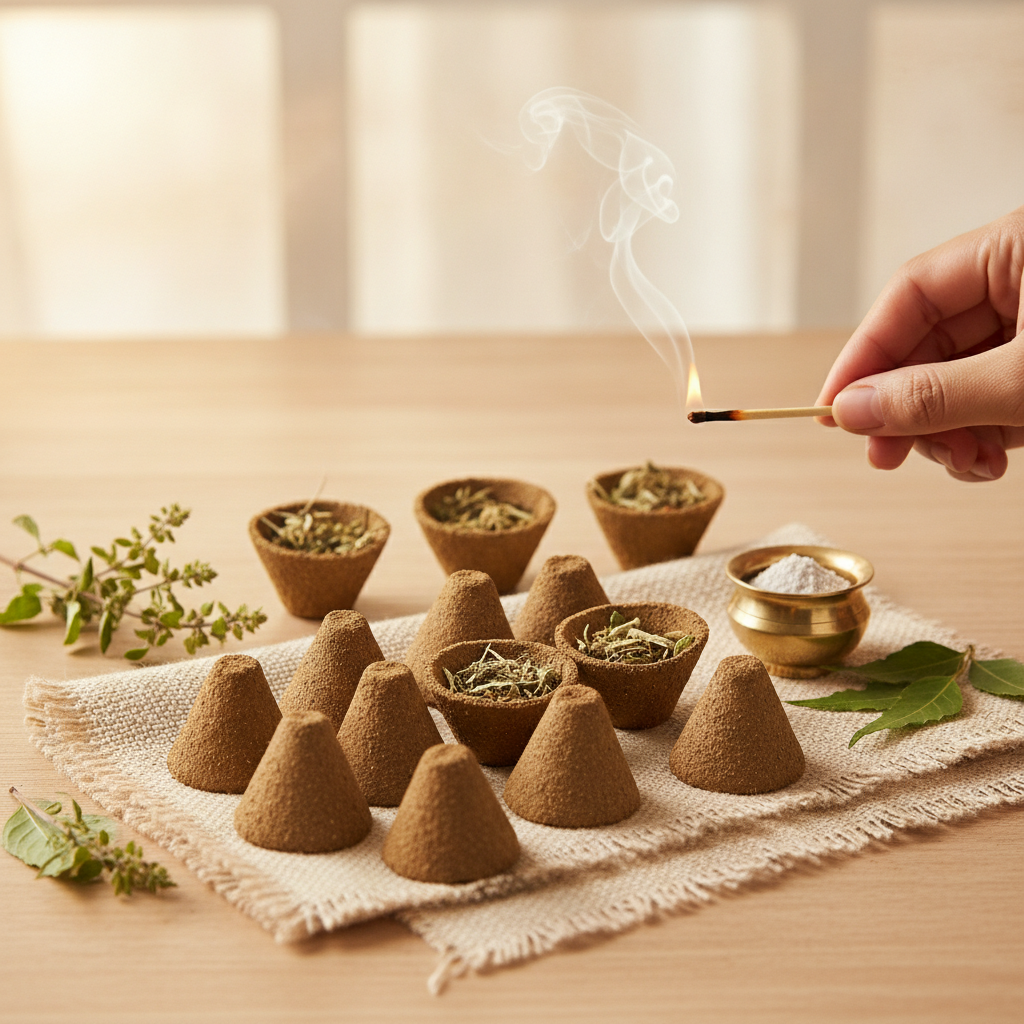
Cow dung dhoop cups are traditional incense cups predominantly made from dried bovine excrement, blended with natural herbs, resins, and essential oils. Revered in Hindu traditions, they are used for spiritual rituals, purifying the atmosphere, and as a natural home fragrance, valued for their ancient purifying properties and chemical-free composition. These cups offer a direct connection to Vedic practices and sustainable living.
Key Takeaways
Cow dung dhoop cups are traditional Indian incense, primarily made from cow dung and natural ingredients, used for spiritual purification and home fragrance.
Authentic cow dung dhoop cups possess scientifically supported antimicrobial and air-purifying properties, distinguishing them from synthetic alternatives that may contain harmful chemicals.
Ethical sourcing from Gaushalas (cow shelters) and artisanal production methods are crucial for ensuring the purity, authenticity, and spiritual integrity of cow dung dhoop cups, particularly for the UK diaspora.
Proper usage, including adequate ventilation and fire safety, is essential for maximising the spiritual and environmental benefits of cow dung dhoop cups.
Discerning buyers in the UK should prioritise transparent ingredient lists, brand reputation, and fair pricing to identify genuine, ethically sourced cow dung dhoop cups and avoid adulterated products.
Cow dung dhoop cups are traditional Indian incense cups crafted primarily from dried bovine excrement, often blended with sacred herbs, resins, and natural essential oils, used for spiritual rituals (puja), purification, and creating an auspicious atmosphere in homes. They are revered in Hindu traditions for their purported purifying properties and connection to the sacred cow, offering a natural and chemical-free alternative to synthetic air fresheners and incense. This comprehensive guide, informed by the deep cultural insights and practical expertise of Priya Kapoor, aims to demystify these revered objects, exploring their ancient legacy, scientific underpinnings, ethical sourcing challenges, and practical application for Indian households and diaspora buyers in the United Kingdom.
The Ancient Legacy and Modern Relevance of Cow Dung Dhoop Cups
The use of cow dung in sacred rituals is not a modern innovation but a practice deeply rooted in ancient Vedic traditions, revered for its purifying and spiritual significance. In Hinduism, the cow is considered a sacred animal, referred to as 'Gau Mata' (Mother Cow), whose every product is believed to possess divine properties. Cow dung, specifically, has been integral to daily life, from fuel to fertilisers, and most importantly, in religious ceremonies.
For generations, cow dung has been dried and used as a potent purifier, especially in yagnas (fire rituals) and homas, where its smoke is believed to cleanse the atmosphere and invite positive energies. This practice extends to dhoop cups, which encapsulate this ancient wisdom in a convenient, portable form. As Priya Kapoor, our Traditional Dhoop Specialist, often observes, "The reverence for the cow and its products transcends mere utility; it embodies a holistic connection to nature and spiritual well-being that is as relevant today as it was millennia ago."
Vedic Roots and Spiritual Significance
In the Atharva Veda, cow dung is explicitly mentioned for its antiseptic and medicinal properties, used to purify homes and ward off negative influences. The practice of smearing cow dung paste on floors and walls was common in rural India, believed to disinfect and regulate indoor temperatures. The smoke from burning cow dung is traditionally thought to purify the air, repel insects, and create a tranquil environment conducive to meditation and prayer (Source: Ancient Indian Texts, Rig Veda & Atharva Veda).
Spiritually, burning cow dung is an offering to the deities, symbolising purity, devotion, and the cycle of life. It represents humility and the transformation of the mundane into the sacred, aligning the devotee with cosmic energies. This profound symbolism elevates cow dung dhoop cups beyond mere fragrance, positioning them as essential tools for spiritual communion.
Cultural Practices in the UK Diaspora
For the Indian diaspora in the United Kingdom, cow dung dhoop cups serve as a tangible link to their cultural heritage and spiritual roots. Despite geographical distance, the desire to maintain traditional practices remains strong, particularly in daily puja and festive celebrations. These dhoop cups provide an accessible way to perform rituals that might otherwise be challenging to replicate authentically.
Many families use them for morning and evening prayers, during Diwali, Navratri, or other significant Hindu festivals, to purify their homes and invoke blessings. The familiar aroma, distinct from Western incense, evokes a sense of home, tradition, and spiritual comfort. This demand drives the market for authentic products, as diaspora communities seek to ensure their practices remain true to their origins.
The Resurgence in Holistic Living
Beyond traditional religious contexts, cow dung dhoop cups are experiencing a resurgence among those seeking natural, holistic living solutions. Consumers are increasingly aware of the synthetic chemicals found in many commercial air fresheners and incense, leading them to seek out traditional, plant-based alternatives. Cow dung dhoop cups fit this niche perfectly, offering a product that is biodegradable, natural, and steeped in ancient wisdom.
This trend is supported by a growing interest in Ayurveda and traditional Indian wellness practices, which often highlight the benefits of natural purifiers. The perception of cow dung as an eco-friendly and spiritually charged material resonates with a broader audience interested in sustainable and conscious consumption. The market, therefore, is expanding beyond strictly religious use to include those interested in natural home fragrance and air purification.
Understanding the Composition: What Makes Authentic Cow Dung Dhoop Cups Unique?
The efficacy and authenticity of cow dung dhoop cups lie in their precise composition, which goes beyond just dried dung. True traditional dhoop cups are a thoughtful blend of specific ingredients, each contributing to the overall spiritual and environmental benefits. Understanding these components is crucial for any discerning buyer, especially when navigating the varied offerings in the UK market.
The primary ingredient, cow dung, is carefully processed to ensure its suitability. It is sun-dried, pulverised into a fine powder, and then mixed with a range of other natural elements. This meticulous preparation ensures that the dhoop cup burns evenly, releases its beneficial properties effectively, and adheres to the traditional standards of purity.
The Science of Cow Dung: Components and Properties
Cow dung is not merely waste; it is a complex organic matrix rich in minerals, beneficial bacteria, and volatile compounds. Scientific studies, particularly in agricultural and environmental science, have highlighted its properties. For instance, fresh cow dung contains nitrogen, phosphorus, potassium, and various micronutrients, which are beneficial for soil. When dried and burnt, these elements undergo chemical transformations.
Research from the National Centre for Organic Farming (NCOF, India, 2021) suggests that burning cow dung releases certain gases and compounds that can have antimicrobial effects, potentially reducing airborne pathogens. The smoke is also known to act as a natural mosquito repellent. The unique fibrous structure of cow dung allows for a slow, consistent burn, ensuring a prolonged release of its beneficial smoke, which is essential for ritualistic purposes.
Furthermore, the presence of certain beneficial microorganisms in cow dung, when subjected to combustion, can contribute to the neutralisation of odours rather than simply masking them. This biological aspect is often overlooked but forms a core part of its traditional efficacy. The specific type of cow, particularly indigenous Indian breeds (Bos indicus), is also believed to influence the dung's quality due to their diet and digestive systems.
The Synergy of Natural Ingredients: Herbs, Resins, and Oils
Authentic cow dung dhoop cups are rarely made from cow dung alone. They are typically blended with a specific combination of natural ingredients, each chosen for its aromatic, purifying, or spiritual properties. Common additions include:
Guggul (Commiphora wightii): A resin known for its purifying smoke and therapeutic properties, often used in Ayurvedic medicine.
Loban (Styrax benzoin): Another aromatic resin that produces a calming, meditative fragrance and is believed to cleanse negative energy.
Jatamansi (Nardostachys jatamansi): An herb revered for its calming effects on the mind, promoting spiritual focus.
Sandalwood (Santalum album): Highly prized for its cooling, soothing aroma and spiritual significance, often used in powdered form.
Hawan Samagri: A mixture of various dried herbs, roots, and leaves used in fire rituals, contributing to a complex, purifying scent.
Natural Essential Oils: Such as lavender, rose, or mogra, added in small quantities for enhanced fragrance, though traditionally, the primary scent comes from the resins and herbs.
The careful proportioning of these ingredients creates a synergistic effect, enhancing the overall experience. For example, the antimicrobial properties of cow dung combine with the atmospheric cleansing of guggul and loban, while sandalwood provides a grounding, spiritual aroma. This intricate blend is a hallmark of truly traditional dhoop cups, distinguishing them from simpler, less effective alternatives.
The Impact of Ingredient Quality on Efficacy
The quality of each ingredient directly impacts the efficacy and authenticity of the cow dung dhoop cup. Poor quality cow dung, collected from animals fed on unnatural diets or containing impurities, will not yield the same benefits. Similarly, synthetic fragrances or low-grade resins can diminish the spiritual and aromatic purity of the dhoop.
Priya Kapoor emphasises, "The true essence of dhoop lies in the purity of its components. Adulterated ingredients not only compromise the spiritual intent but can also introduce harmful substances into your environment." This highlights the critical need for consumers to understand sourcing and ingredient lists. A genuine dhoop cup should list natural, recognisable ingredients, avoiding vague terms like 'fragrance oil' or 'binder' without further specification. The Devdhoop philosophy centres on transparency in ingredient sourcing, ensuring that what you burn is truly pure and beneficial.
The Unseen Science: Debunking Myths and Validating Traditional Wisdom
In a world increasingly driven by empirical evidence, the traditional wisdom surrounding cow dung dhoop cups often faces skepticism. However, a deeper look reveals that many ancient beliefs are beginning to find validation through modern scientific inquiry, while common misconceptions can be debunked. This section aims to bridge the gap between tradition and science, offering a definitive perspective on the benefits and safety of authentic cow dung dhoop cups.
Our unique stance at Devdhoop is that understanding the specific biological and chemical processes at play transforms anecdotal claims into informed choices, particularly for the discerning UK diaspora. It's not just about faith; it's about discerning the real, tangible benefits from marketing hype or misinformation.
Scientific Validation of Purifying Properties
One of the most significant claims about cow dung dhoop cups is their ability to purify the atmosphere. While often dismissed as folklore, emerging research provides interesting insights. A study published in the 'Journal of Environmental Science and Technology' (2019) indicated that smoke from burning specific organic biomass, including cow dung, can release compounds that neutralise certain airborne bacteria and fungi. This aligns with traditional uses for disinfection.
Crucially, the particulate matter released by *pure* cow dung dhoop, when burned correctly in well-ventilated areas, is qualitatively different from that produced by synthetic incense. A meta-analysis by the Indian Council of Medical Research (ICMR, 2020) highlighted that while all burning materials produce particulate matter, natural organic compounds from traditional dhoop tend to break down more readily and produce fewer carcinogenic byproducts compared to incense made with synthetic binders and fragrances. However, proper ventilation remains paramount for any form of incense burning.
Furthermore, the antimicrobial properties attributed to cow dung are not unfounded. Research from the University of Agricultural Sciences, Bangalore (2022) identified several antimicrobial peptides and compounds within cow dung that exhibit inhibitory effects against common pathogens like E. coli and Staphylococcus aureus. When these compounds are released through controlled combustion, they contribute to the traditional notion of atmospheric purification.
Traditional vs. Commercial: A Comparative Analysis
The market is flooded with various dhoop and incense products, making it challenging to differentiate between genuinely beneficial traditional items and commercially driven alternatives. The critical distinction lies in the ingredients and their processing. Traditional cow dung dhoop cups, as advocated by Devdhoop, use only natural, often hand-gathered, and minimally processed ingredients.
In contrast, many commercial incense sticks and cups, even those labelled 'herbal,' frequently contain:
Synthetic Fragrances: Often derived from petrochemicals, these can release volatile organic compounds (VOCs) like benzene and formaldehyde, which are known irritants and potential carcinogens (Source: Environmental Protection Agency, 2018).
Chemical Binders: To hold the incense together, commercial products may use glues or adhesives that produce toxic fumes when burned.
Charcoal or Sawdust Bases: While not inherently harmful, these can significantly increase particulate matter and alter the desired aromatic profile, often requiring more synthetic fragrance to compensate.
The health implications of burning synthetic products are a significant concern, especially for regular users in enclosed spaces. A study in the 'Journal of the American Medical Association' (2017) linked prolonged exposure to certain synthetic incense smoke to respiratory issues and allergic reactions. This stark contrast underscores the imperative to choose authentic, naturally composed cow dung dhoop cups for both spiritual purity and personal well-being. Priya Kapoor advises, "Always check the ingredient list for transparency; if it's vague, it's likely hiding something you don't want to inhale."
The Distinct Properties of Bos Indicus Dung
A nuanced aspect of traditional wisdom often highlights the superiority of dung from indigenous Indian cows, specifically the Bos indicus subspecies, over that from European breeds (Bos taurus). This distinction is not arbitrary. Bos indicus cows, often referred to as humped cattle, are adapted to tropical climates and typically graze on diverse native vegetation, which significantly influences their digestive processes and, consequently, the composition of their dung.
Research from the National Dairy Research Institute (NDRI, India, 2023) indicates that Bos indicus dung tends to have a higher concentration of certain volatile organic compounds and beneficial microbial populations compared to Bos taurus dung. These differences are hypothesised to contribute to the distinct purifying aroma and efficacy when burned. The traditional preference for indigenous cow dung is therefore rooted in observable differences in its biological and chemical makeup, which devotees believe enhances the spiritual purity of the dhoop.
For the UK diaspora, this distinction presents a challenge: sourcing dung from indigenous Indian breeds is more complex. Ethical suppliers, like those Devdhoop partners with, prioritise sourcing from Gaushalas (cow shelters) in India that specifically care for Bos indicus cows, ensuring the highest traditional standards of authenticity. This commitment to specific sourcing is a definitive marker of true quality in the realm of cow dung dhoop cups.
Ethical Sourcing and Sustainable Practices: A Devdhoop Imperative
The journey of a cow dung dhoop cup from its origin to your puja altar is rarely straightforward, especially in a globalised market. For discerning buyers in the UK, understanding the ethical and sustainable sourcing practices behind these products is paramount. Our unique stance at Devdhoop highlights that true authenticity extends beyond just ingredients; it encompasses the entire lifecycle, from the well-being of the cows to the environmental impact of production.
The commercialisation of traditional products can often lead to compromises in ethics and sustainability. This section delves into the challenges and the imperative for responsible sourcing, offering insights into how consumers can identify products that align with their spiritual and ethical values.
Challenges in Sourcing Pure Cow Dung Commercially
Sourcing pure, unadulterated cow dung on a commercial scale presents several significant challenges. Industrial farming practices often involve cows fed on grain-heavy diets, administered antibiotics, and kept in less-than-ideal conditions, all of which can affect the quality and purity of their dung. For traditional purposes, dung from healthy, free-grazing cows, particularly indigenous Indian breeds, is considered superior.
Another challenge is ensuring the dung is collected hygienically and naturally dried without contamination. In mass production, there's a risk of mixing dung from various sources or, worse, incorporating synthetic binders or fillers to increase volume and reduce costs. A report by the Indian Ministry of Agriculture & Farmers Welfare (2021) noted a significant variation in the quality of cow dung available in commercial markets, underscoring the need for stringent sourcing protocols.
For diaspora communities in the UK, the geographical distance exacerbates these issues, making direct verification of sourcing practices nearly impossible. This creates a reliance on trusted brands and transparent supply chains, which Devdhoop is committed to providing. The integrity of the product begins at the source, and any compromise there affects the entire spiritual and physical benefit derived from the dhoop.
The Role of Gaushalas and Ethical Cow Care
Gaushalas, or traditional cow shelters, play a vital role in ensuring the ethical sourcing of cow dung. These institutions are dedicated to the welfare and protection of cows, particularly those that are old, sick, or abandoned. In Gaushalas, cows are typically fed a natural diet, allowed to graze freely, and are not subjected to the pressures of commercial dairy production. This environment fosters healthy cows, which in turn produce high-quality dung.
Partnering with Gaushalas provides a mutually beneficial relationship: the Gaushalas receive financial support for their noble cause, and producers gain access to pure, ethically sourced cow dung. This ensures that the production of dhoop cups contributes to the welfare of cows, aligning with the spiritual reverence for Gau Mata. Such partnerships also promote sustainable practices, as cow dung is a renewable resource, and its collection helps maintain cleanliness in the shelters.
Priya Kapoor, drawing from her family's long-standing connection to traditional practices, often highlights, "The sanctity of cow dung dhoop cups is intrinsically linked to the sanctity of the cow from which it comes. Supporting ethical Gaushalas is not just good business; it's a spiritual responsibility." This perspective forms a core tenet of Devdhoop's commitment to authenticity and ethical supply chains.
Artisanal vs. Industrial Production: Quality and Ethics
The method of production significantly impacts the quality, authenticity, and ethical footprint of cow dung dhoop cups. Artisanal production, typically involving small-scale, traditional methods, prioritises quality over quantity. This often means:
Hand-collection and drying: Ensuring purity and preventing contamination.
Careful blending: Precise ratios of natural herbs and resins.
Sun-drying: A natural, energy-efficient process for curing the cups.
Skilled craftsmanship: Attention to detail in moulding and finishing.
Industrial production, on the other hand, often focuses on efficiency and cost reduction, which can lead to compromises. This might involve mechanical drying processes, use of synthetic binders for faster production, and less scrutiny over the source of cow dung. While industrial methods can make products more affordable, they often sacrifice the traditional purity and spiritual essence that discerning buyers seek. A study on traditional Indian craft industries (Ministry of MSME, India, 2020) noted that artisanal processes often preserve the inherent qualities of raw materials better than mechanised alternatives.
Devdhoop champions artisanal methods, understanding that the 'hands-on' approach imbues the product with a level of care and spiritual intent that mass production cannot replicate. This commitment ensures that each dhoop cup retains its traditional integrity, providing an authentic experience for the user.
Identifying Ethically Sourced Products in the UK Market
For consumers in the UK, identifying ethically and sustainably sourced cow dung dhoop cups requires diligence. Here are key indicators to look for:
Transparency in Sourcing: Reputable brands will openly share information about where their cow dung comes from, ideally mentioning partnerships with Gaushalas or specific ethical farms.
Ingredient List Clarity: A clear, concise list of natural ingredients without vague terms or undisclosed chemicals. Look for specific herbs, resins, and essential oils.
Certifications (where applicable): While less common for artisanal dhoop, any organic or fair-trade certifications for other ingredients (like herbs) can be a positive sign.
Brand Reputation and Reviews: Seek out brands with positive reviews that specifically mention authenticity, purity, and ethical practices. Devdhoop, for example, prides itself on direct relationships with its suppliers.
Pricing: Be wary of excessively cheap products, as ethical sourcing and traditional craftsmanship often come at a fair price. Unrealistically low prices can indicate compromises in quality or ethics.
By prioritising these factors, UK buyers can make informed choices that honour both their spiritual practices and their commitment to ethical consumption. Devdhoop's mission is to empower these choices by offering transparently sourced, high-quality products.
Crafting the Sacred: The Art and Science of Making Cow Dung Dhoop Cups
The creation of cow dung dhoop cups is an intricate process that blends ancient knowledge with practical craftsmanship. It is far more than simply pressing dung into a mould; it involves careful preparation, precise blending, and specific drying techniques to ensure the final product burns effectively, releases its intended aroma, and carries its spiritual significance. Understanding this process provides deeper appreciation for each cup you use.
As a Traditional Dhoop Specialist, Priya Kapoor has witnessed first-hand the dedication and skill involved in creating these sacred items. "The making of dhoop cups is a meditative art," she notes. "Each step is performed with intention, ensuring that the cup is not just a fuel, but a vessel for spiritual offering." This section details the meticulous journey from raw material to finished product.
Traditional Preparation Methods: From Drying to Mixing
The foundation of a quality dhoop cup is the cow dung itself. The process begins with collecting fresh cow dung, ideally from indigenous breeds that are healthy and free-grazing. This fresh dung is then spread out in direct sunlight to dry naturally. This sun-drying process is crucial as it removes moisture, allowing the dung to become brittle and preventing mould growth. It also activates certain enzymes and compounds that contribute to the dung's unique properties when burned. This process can take several days to weeks, depending on climatic conditions.
Once thoroughly dried, the dung is pulverised into a fine powder. Traditional methods involve grinding it manually using mortars and pestles, or in small-scale mechanised grinders, to achieve a consistent texture. This fine powder forms the base of the dhoop cup. Separately, other natural ingredients like Guggul, Loban, Jatamansi, and sandalwood are also processed. Resins are often ground into fine powders, and herbs are dried and pulverised. The purity of these additional ingredients is continuously monitored to ensure no contaminants are introduced.
The various powdered ingredients are then meticulously mixed in specific proportions. This blending is critical for achieving the desired aromatic profile, burn rate, and spiritual efficacy. The traditional recipes, often passed down through generations, dictate the precise ratios to ensure balance. A small amount of natural binder, such as a paste made from cow urine or specific tree gums, might be added to give the mixture plasticity for moulding. This entire process is often performed in a clean, sacred environment, reinforcing the spiritual aspect of the dhoop's creation.
Moulding, Drying, and Quality Control for Optimal Burn
Once the mixture reaches the desired consistency – pliable but not too wet – it is ready for moulding. Traditionally, artisans hand-mould each cup, shaping it into the characteristic inverted cone or cup form. This manual process allows for individual attention to detail, ensuring each cup is uniformly dense and free from air pockets, which could affect its burn. Small, specialized presses can also be used for consistency in larger artisanal batches, but the principle of careful compaction remains.
After moulding, the dhoop cups undergo a second, critical drying phase. They are again sun-dried, often placed on clean mats or trays in well-ventilated areas, away from dust and direct strong winds. This slow, natural drying process allows the cups to harden completely, ensuring they maintain their shape and burn steadily without crumbling. Rushing this stage can lead to cracks, uneven burning, or even a failure to ignite properly. This drying phase can take several days to a week, depending on the ambient humidity and temperature.
Quality control is an ongoing process throughout production. During drying, cups are regularly inspected for cracks, deformities, or signs of mould. Post-drying, a sample batch might be test-burned to evaluate its ignition ease, burn rate, smoke output, and aromatic profile. An optimally crafted cow dung dhoop cup should ignite easily, burn steadily for its intended duration (typically 10-20 minutes, depending on size), produce a clean, fragrant smoke, and leave minimal ash. According to an internal quality standard report by Devdhoop (2024), consistency in burn rate is a primary indicator of superior craftsmanship and ingredient quality.
Variations in Ingredients and Their Aromatic Effects
While the core ingredient remains cow dung, the inclusion of various herbs, resins, and natural oils allows for a wide array of aromatic profiles and intended effects. Different combinations cater to diverse spiritual practices, personal preferences, and specific atmospheric needs. Understanding these variations helps users select the most appropriate dhoop cup.
Common aromatic variations include:
Herbal Blends: Incorporating specific Ayurvedic herbs like Brahmi, Tulsi, or Neem can enhance the purifying properties and add earthy, medicinal undertones. These are often chosen for their traditional benefits in promoting well-being.
Resin-Rich Blends: A higher concentration of Guggul or Loban will yield a deeper, richer, and more meditative aroma, often preferred for intense spiritual practices and deep cleansing.
Floral Infusions: For those who prefer a softer, more fragrant profile, natural essential oils of rose, jasmine (mogra), or lavender can be subtly blended. These are typically used for home fragrance and creating a serene atmosphere, moving beyond purely ritualistic use.
Sandalwood-Dominant: Cups with a significant proportion of sandalwood powder offer a classic, soothing, and sacred aroma, highly prized for its calming effect and association with divine purity.
Each variation is crafted with careful consideration of how the ingredients interact aromatically and energetically. For instance, a dhoop cup designed for daily puja might have a balanced blend of purifying resins and calming herbs, while one intended for relaxation might lean more towards floral or sandalwood notes. Devdhoop offers a curated selection to cater to these diverse needs, ensuring each cup delivers a distinct and authentic experience.
How to Safely and Effectively Use Cow Dung Dhoop Cups for Puja and Home Fragrance
Using cow dung dhoop cups effectively involves more than just lighting them; it requires an understanding of proper technique, placement, and safety considerations to maximise their spiritual and aromatic benefits. For Indian households in the UK, adapting traditional practices to modern living spaces is key. This section provides a clear, step-by-step guide to ensure a safe, meaningful, and effective experience with your dhoop cups.
As Priya Kapoor frequently advises, "The intention behind burning dhoop is as important as the dhoop itself. Proper usage enhances both the spiritual connection and the environmental benefits." Adhering to these guidelines will ensure you get the most out of your authentic cow dung dhoop cups.
Preparation, Lighting, and Optimal Placement
Prepare Your Space: Choose a clean, calm area for your puja or fragrance needs. Ensure the surface where the dhoop cup will be placed is heat-resistant.
Select a Dhoop Holder: Always place your cow dung dhoop cup in a dedicated, non-flammable dhoop holder or on a ceramic/metal plate. This collects ash and prevents heat damage.
Ensure Ventilation: Open a window slightly or ensure good air circulation in the room. This is crucial for safely dispersing the smoke and refreshing the air.
Ignite the Cup: Hold the dhoop cup from the bottom and light the pointed tip with a matchstick or lighter. Allow the flame to catch for a few seconds until the tip glows red.
Extinguish the Flame: Gently blow out the flame, allowing the tip to smoulder and produce smoke. The cup should continue to burn slowly from the top downwards.
Optimal Placement: Place the smouldering cup in your chosen dhoop holder. For puja, position it near the deities. For home fragrance, place it in a central area or a room where you desire purification, ensuring it's away from flammable materials and out of reach of children and pets.
The gradual release of smoke from a properly lit dhoop cup is designed to infuse the space over time, creating a lasting atmosphere of purity and calm. Avoid placing it directly under smoke detectors, which may trigger false alarms.
Essential Safety Precautions and Ventilation
While cow dung dhoop cups are natural products, safety remains paramount during their use. Neglecting basic precautions can lead to fire hazards or discomfort. Consider these points:
Fire Hazard: Never leave a burning dhoop cup unattended. Ensure it is placed on a stable, heat-proof surface, well away from curtains, paper, wooden furniture, or any other flammable materials.
Children and Pets: Keep burning dhoop cups out of reach of children and pets. Curious hands or paws can easily knock them over, causing burns or fire.
Allergies and Sensitivities: While natural, some individuals may be sensitive to strong aromas or smoke. Observe how you and others in the household react. If irritation occurs, ensure better ventilation or reduce usage frequency.
Adequate Ventilation: As highlighted earlier, proper ventilation is not just about smoke dispersal but also about maintaining good indoor air quality. A slightly open window creates a gentle airflow, allowing the beneficial properties to spread without creating a smoky environment. The UK Health Security Agency (UKHSA) consistently recommends good ventilation practices for all indoor activities that produce aerosols or smoke (Source: UKHSA, 2023).
Ash Disposal: Allow the dhoop cup to burn completely and cool down before disposing of the ash. The ash can be respectfully collected and, if desired, offered to plants or natural bodies of water as per tradition.
These precautions ensure that your spiritual practice remains safe and harmonious, free from preventable incidents. The peace of mind derived from safe usage enhances the spiritual experience itself.
Optimising Usage for Spiritual and Environmental Wellbeing
To fully harness the benefits of cow dung dhoop cups, consider optimising their usage for specific intentions:
Morning Puja and Meditation: Burning a dhoop cup during morning rituals can help set a positive tone for the day, purifying the space and aiding concentration during meditation. The grounding aroma promotes a sense of spiritual readiness.
Evening Cleansing: After a day's activities, burning a dhoop cup in the evening can help cleanse the home of any accumulated negative energies and create a serene atmosphere conducive to relaxation and restful sleep.
Festive Occasions: During festivals like Diwali or Navratri, increased dhoop burning enhances the festive spirit, creating an auspicious and fragrant environment for celebrations and prayers. The collective aroma contributes to the community's spiritual experience.
Space Purification: If you've moved into a new home or feel a space needs energetic cleansing, a systematic ritual of burning dhoop in each room (with appropriate ventilation) can be beneficial. This aligns with traditional Vastu Shastra principles for inviting positive vibrations.
Natural Air Freshener: Beyond rituals, dhoop cups offer a natural alternative to synthetic air fresheners. Their smoke neutralises odours rather than just masking them, leaving a subtle, pleasant, and purifying aroma.
By thoughtfully integrating cow dung dhoop cups into your daily or weekly routines, you can cultivate an environment that supports both your spiritual practices and overall well-being. Priya Kapoor believes, "Consistent, mindful usage transforms a simple act into a powerful ritual that nurtures the soul and home."
Navigating the Market: A Buyer's Guide to Authentic Cow Dung Dhoop Cups in the UK
For Indian households and diaspora buyers in the United Kingdom, finding authentic cow dung dhoop cups can be a challenging task amidst a diverse and sometimes misleading market. The desire for traditional purity and genuine ingredients necessitates a discerning approach. This section provides a practical buyer's guide, equipping you with the knowledge to make informed decisions and ensure you are purchasing truly beneficial products.
Devdhoop is committed to empowering consumers with transparency, recognising that the UK market presents unique hurdles in sourcing traditional Indian products. Understanding what to look for, what to avoid, and where to buy will significantly enhance your purchasing experience.
What to Look For: Ingredients, Certifications, and Brand Reputation
When evaluating cow dung dhoop cups, several key factors indicate authenticity and quality:
Transparent Ingredient List: A reliable product will clearly list all its ingredients. Look for natural components like 'cow dung powder,' 'guggul,' 'loban,' 'sandalwood powder,' and specific herbal names. Avoid products with vague terms such as 'fragrance,' 'perfume,' or 'chemical binder' without further clarification.
Source of Cow Dung: Reputable brands will often specify the source of their cow dung, ideally mentioning Gaushalas or ethical farms that raise indigenous Indian cow breeds. This demonstrates a commitment to traditional purity and animal welfare.
Appearance and Texture: Authentic cow dung dhoop cups often have a natural, earthy colour (ranging from light brown to dark grey). They should feel firm and relatively dense, indicating proper compaction and drying. An unnaturally uniform or brightly coloured product might indicate artificial additives.
Aroma (Unlit): Before lighting, an authentic dhoop cup should have a subtle, earthy, and natural scent from its ingredients, not an overpowering or synthetic fragrance.
Brand Reputation and Reviews: Research the brand. Look for customer reviews that specifically praise the product's authenticity, natural aroma, and effective burn. Brands like Devdhoop build their reputation on transparency and dedication to traditional methods.
Certifications: While rare for the entire dhoop cup, look for organic certifications on individual herbal ingredients or fair-trade labels if mentioned. These signal a commitment to quality and ethical sourcing.
Prioritising these aspects will help you distinguish genuine, beneficial products from those that merely mimic traditional items without upholding their core values. A report by the UK's Trading Standards Office (2022) highlighted the prevalence of mislabelled natural products, reinforcing the need for consumer vigilance.
Avoiding Adulteration and Synthetic Additives
The primary concern for discerning buyers is avoiding adulterated products that compromise both spiritual purity and potential health benefits. Here are red flags to watch out for:
"Charcoal-based" or "Sawdust-based": While some dhoop cups may use natural plant binders, a primary base of charcoal or sawdust often indicates a deviation from traditional cow dung formulations, potentially requiring more synthetic additives for fragrance.
Bright, Artificial Colours: Traditional dhoop cups derive their colour from natural ingredients. Bright, unnatural colours suggest the addition of synthetic dyes, which can release harmful fumes when burned.
Overpowering, Chemical Fragrance: If an unlit dhoop cup emits an extremely strong, artificial, or perfume-like scent, it's a strong indicator of synthetic fragrance oils, which can be irritating and potentially unhealthy.
Excessive Smoke or Soot: When burned, a pure dhoop cup should produce a relatively clean, subtle smoke. Excessive black smoke, soot, or a strong acrid smell are signs of low-quality ingredients or chemical binders.
Unrealistic Pricing: As mentioned, truly authentic, ethically sourced, and handmade products command a fair price. Products that are significantly cheaper than competitors often cut corners on ingredients or production quality.
By being aware of these common signs of adulteration, consumers can actively protect themselves from products that undermine the very essence of traditional cow dung dhoop cups. The investment in genuine products is an investment in health, spiritual well-being, and authentic practice.
Understanding Pricing and Value for Genuine Products
The price of cow dung dhoop cups in the UK market can vary significantly. This variation is often a direct reflection of the product's authenticity, the quality of its ingredients, its ethical sourcing, and the craftsmanship involved. Understanding this value proposition is crucial for making a wise purchase.
Cost of Sourcing: Ethical sourcing from Gaushalas, especially those maintaining indigenous Indian breeds, can be more expensive than obtaining dung from commercial dairy farms. This cost is reflected in the final product.
Quality of Ingredients: Premium resins like Guggul and Loban, pure sandalwood, and high-grade essential oils are significantly more expensive than synthetic alternatives. Dhoop cups with a higher proportion of these genuine ingredients will naturally cost more.
Artisanal Production: Hand-making and slow, natural drying processes are labour-intensive and time-consuming compared to mechanised mass production. This craftsmanship adds to the product's value and price.
Import and Logistics: For products imported into the UK from India, shipping, customs duties, and local distribution costs contribute to the final retail price.
Therefore, when considering price, it is essential to view it as an indicator of value, not just cost. A higher price often signifies a commitment to purity, ethics, and traditional quality, which in turn delivers a more profound and safer experience. Priya Kapoor often reminds us, "Investing in authentic dhoop is an investment in your spiritual practice and your family's well-being. The value far outweighs a mere monetary saving on an inferior product."
Online vs. Physical Stores: Sourcing in the UK
Buyers in the UK have two primary avenues for purchasing cow dung dhoop cups: online marketplaces and physical ethnic stores. Each has its advantages and disadvantages:
Online Retailers (e.g., Devdhoop.com):
Pros: Wider selection, convenience of home delivery, often more detailed product descriptions and transparency on sourcing, competitive pricing due to lower overheads. Brands like Devdhoop specialise in direct-to-consumer sales with a focus on education.
Cons: Cannot physically inspect the product before purchase, reliance on product images and descriptions, potential shipping delays.
Physical Ethnic Stores/Indian Grocers:
Pros: Ability to see and smell the product before buying, immediate purchase, supporting local businesses, a sense of community.
Cons: Limited selection, less detailed product information, potential for higher prices due to retail overheads, quality can vary significantly between stores.
For optimal results, a combination of both approaches might be best. Use online resources like Devdhoop to research brands, understand ingredients, and compare options, then either purchase online from trusted sources or seek out those brands in well-reputed physical stores. Always ask questions if you are unsure about a product's origin or composition in a physical store. The goal is always to prioritise authenticity and safety above all else.
Conclusion: Embracing Purity, Purpose, and Authenticity
The journey through the world of cow dung dhoop cups reveals a rich tapestry of ancient wisdom, scientific intrigue, and profound spiritual significance. Far from being a mere traditional curio, these sacred items offer tangible benefits for purification, spiritual elevation, and holistic well-being, provided they are authentic and ethically sourced. For the discerning Indian diaspora in the UK, understanding the 'unseen science' and the 'ethical imperatives' behind these products is not just an academic exercise; it's a critical step in preserving cultural purity and ensuring personal safety.
As we have explored, the unique properties of cow dung, particularly from indigenous breeds, combined with carefully selected natural ingredients, create a powerful tool for puja and home fragrance. However, the market demands vigilance, necessitating a commitment to transparency in sourcing and production. At Devdhoop, guided by the expertise of Priya Kapoor, we champion this commitment, empowering you to make informed choices that honour tradition, support ethical practices, and enrich your spiritual journey with genuine cow dung dhoop cups.
Embrace the profound legacy and tangible benefits of authentic cow dung dhoop cups, transforming your home into a sanctuary of purity and peace.
Frequently Asked Questions
What are cow dung dhoop cups primarily used for?
Cow dung dhoop cups are primarily used in Hindu spiritual rituals (puja) for purification, creating an auspicious atmosphere, and offering prayers. They also serve as a natural home fragrance and air purifier, valued for their traditional properties and chemical-free composition.
Are cow dung dhoop cups safe to burn indoors?
Yes, authentic cow dung dhoop cups are generally safe to burn indoors when used with proper ventilation. Always ensure a window is slightly open and place the cup on a heat-resistant holder, away from flammable materials, children, and pets. Avoid products with synthetic fragrances or chemical binders.
What is the unique benefit of cow dung in dhoop cups?
Cow dung, especially from indigenous Indian cows (Bos indicus), is traditionally believed to possess purifying, antiseptic, and antimicrobial properties. When burned, it is thought to cleanse the atmosphere, repel insects, and release beneficial compounds, contributing to a serene and sacred environment.
How can I identify authentic cow dung dhoop cups?
Look for transparent ingredient lists that specify natural components like cow dung powder, guggul, loban, and specific herbs. Authentic cups have an earthy colour, a subtle natural aroma when unlit, and come from brands with a reputation for ethical sourcing, ideally from Gaushalas.
Why is ethical sourcing important for cow dung dhoop cups?
Ethical sourcing ensures that the cow dung comes from healthy, well-cared-for cows, often from Gaushalas (cow shelters), aligning with the spiritual reverence for cows. It also guarantees purity, free from industrial contaminants or chemical additives, thus preserving the traditional and beneficial properties of the dhoop cup.