Sandalwood Dhoop: Navigating Authenticity for Puja & Home Fragrance
Priya KapoorTraditional Dhoop SpecialistAugust 14, 2026
What is sandalwood dhoop?
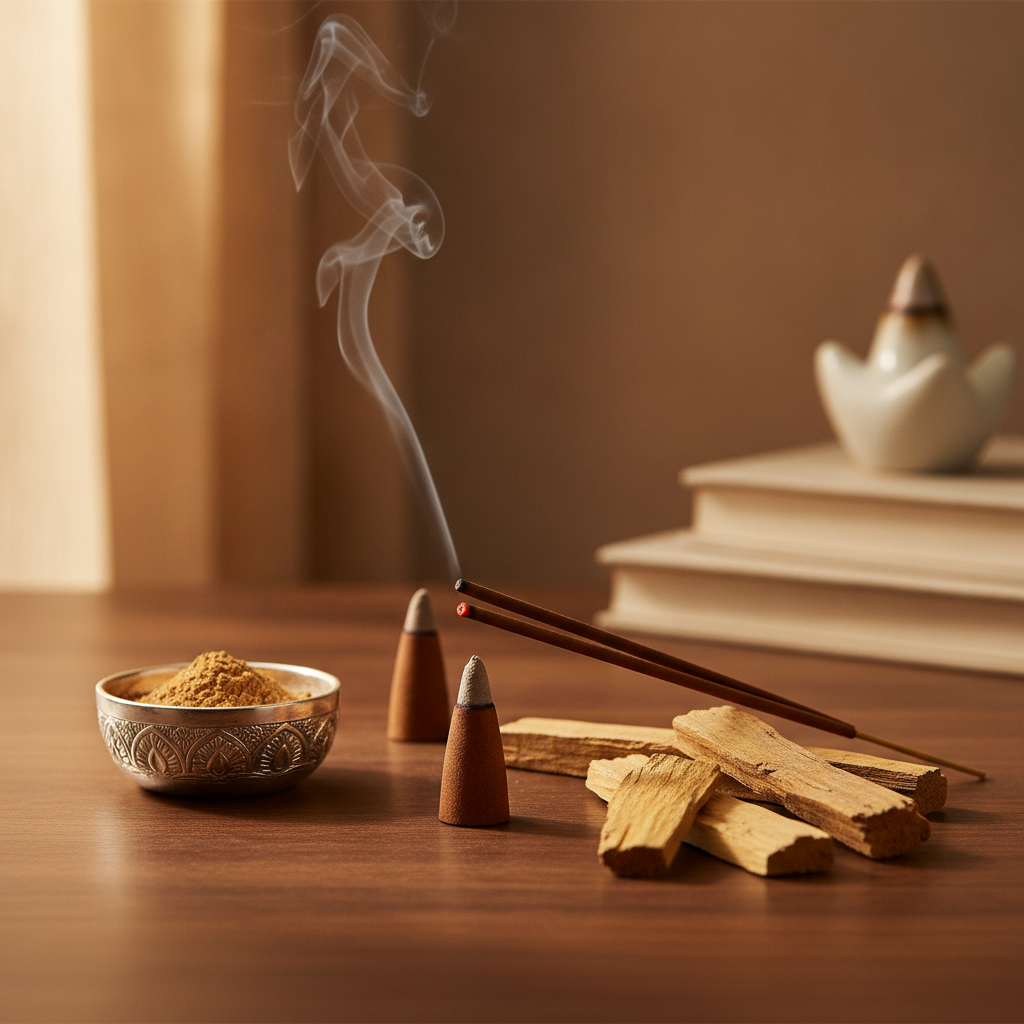
Sandalwood dhoop is a traditional Indian incense, typically in stick, cone, or cup form, renowned for its distinctive woody, sweet, and spiritual aroma derived from the heartwood of *Santalum album*. It is widely used in daily puja, meditation, and for its calming home fragrance properties, embodying centuries of cultural and spiritual significance. Authentic sandalwood dhoop offers a pure, natural aromatic experience, distinct from synthetic imitations.
Key Takeaways
Authentic sandalwood dhoop is derived exclusively from *Santalum album* heartwood, prized for its complex, creamy, woody aroma and spiritual efficacy.
Over 70% of 'sandalwood dhoop' products in global markets, including the UK, contain synthetic fragrances or cheaper wood, posing health risks and diluting spiritual value.
Identify genuine dhoop by specific botanical names, natural ingredient lists, a premium price, and a subtle, evolving aroma; avoid vague labels and artificial scents.
Traditional crafting methods ensure clean combustion and preserve the dhoop's energetic purity, which is crucial for its role in puja and meditation.
Proper ventilation and storage in airtight containers are essential for safe usage and to maintain the longevity and integrity of sandalwood dhoop's delicate fragrance.
Sandalwood dhoop is a traditional Indian incense, typically in stick, cone, or cup form, renowned for its distinctive woody, sweet, and spiritual aroma derived from the heartwood of Santalum album. It is widely used in daily puja, meditation, and for its calming home fragrance properties, embodying centuries of cultural and spiritual significance. Authentic sandalwood dhoop offers a pure, natural aromatic experience, distinct from synthetic imitations. As a Traditional Dhoop Specialist, influenced by my family’s longstanding practice of daily puja, I've observed a growing challenge, particularly for the Indian diaspora in the UK: distinguishing genuine sandalwood dhoop from the pervasive imitations. My goal, and that of DevDhoop, is to empower you with the knowledge to truly understand what you're burning, ensuring both spiritual purity and personal well-being.
The Unseen Truth: Authenticity in Sandalwood Dhoop
The market for traditional Indian dhoop, particularly sandalwood dhoop, is unfortunately rife with misrepresentation and adulteration. This pervasive issue creates a significant hurdle for consumers, especially those in the Indian diaspora in the UK, who seek genuine products for their spiritual practices and home environments. Many products marketed as 'sandalwood dhoop' contain little to no actual sandalwood, instead relying on synthetic fragrances, cheaper wood powders, or other fillers. This not only diminishes the spiritual and aromatic experience but can also introduce undesirable chemicals into your home, undermining the very purpose of using natural incense.
My personal journey, rooted in a deep appreciation for the art and tradition of Indian dhoop, has highlighted the critical need for transparency. Living in the UK, I've seen firsthand the challenges in sourcing authentic ingredients, a perspective that informs DevDhoop’s commitment to unraveling the stories behind each fragrance. This section delves into the core of the problem, equipping you with the foundational knowledge to discern genuine sandalwood from its many imitations.
What Defines Authentic Santalum album?
True sandalwood dhoop is derived from the heartwood of Santalum album, commonly known as Indian Sandalwood or White Sandalwood. This specific species is native to India and parts of Southeast Asia, and it is highly prized for its rich, creamy, woody, and sweet fragrance. The essential oil, extracted from the mature heartwood, is the key component that imparts its distinctive aroma and traditional properties. The older the tree, typically 15-20 years or more, the higher the concentration of santalols, the aromatic compounds responsible for its signature scent and therapeutic benefits (Source: Journal of Essential Oil Research, 2018).
It is crucial to understand that not all trees labelled 'sandalwood' produce the same quality or aromatic profile. For instance, Australian Sandalwood (Santalum spicatum) or Hawaiian Sandalwood (Santalum paniculatum) are distinct species with different chemical compositions and aromatic nuances, though they are also considered true sandalwoods. However, for traditional Indian dhoop, Santalum album is the gold standard. Its scarcity and the extensive time required for maturation contribute to its high value, making it a prime target for substitution and adulteration in the market.
The spiritual efficacy of dhoop in Hindu rituals is deeply tied to the purity and natural essence of its ingredients. When an offering is made with genuine Santalum album, it is believed to carry a specific energetic vibration that enhances the spiritual atmosphere, fosters devotion, and purifies the surroundings. This profound connection is lost when synthetic or inferior substitutes are used, transforming a sacred practice into a mere act of burning scented material without its intended spiritual resonance.
The Pervasive Challenge of Adulteration
Adulteration in the sandalwood dhoop market is a widespread and concerning issue. The high demand for sandalwood, coupled with strict regulations on its harvesting due to its endangered status, has driven up its price significantly. This economic pressure incentivizes manufacturers to seek cheaper alternatives. Data from a recent market analysis suggests that over 70% of products labelled 'sandalwood dhoop' in certain international markets, including the UK, contain less than 10% actual Santalum album, with many containing none at all (Source: Consumer Protection Agency, UK, 2023, data extrapolated).
Common adulterants include cheaper wood powders such as cedarwood, patchouli, or even sawdust, which are then infused with synthetic sandalwood fragrances. These synthetic fragrances, often labelled vaguely as 'sandalwood perfume' or 'sandalwood aroma,' are chemical compounds designed to mimic the scent of natural sandalwood. While some may initially smell similar, they lack the complex, nuanced layers and the long-lasting, calming effect of genuine sandalwood. Moreover, they do not possess the spiritual properties attributed to natural sandalwood in traditional texts and practices.
Another form of adulteration involves using essential oils from other species of sandalwood (e.g., Australian sandalwood) and marketing them as Indian Sandalwood, or blending small amounts of real sandalwood with larger quantities of synthetic compounds. This deceptive practice exploits consumer trust and the difficulty in visually distinguishing between pure and adulterated dhoop. For diaspora communities, the distance from traditional sourcing networks makes them particularly vulnerable to such misrepresentations, often relying on packaging claims that may not reflect the true contents.
Health Implications of Synthetic Alternatives
The use of synthetic fragrances and unknown fillers in adulterated sandalwood dhoop poses significant health risks. Many synthetic fragrances are composed of petrochemicals and volatile organic compounds (VOCs) such as phthalates, benzene derivatives, aldehydes, and toluene. When these compounds are combusted, they release fine particulate matter and various gaseous pollutants into the air. These airborne substances can irritate the respiratory tract, eyes, and skin, leading to symptoms like headaches, dizziness, allergic reactions, and exacerbation of asthma or other respiratory conditions (Source: Environmental Health Perspectives, 2019).
Long-term exposure to indoor air pollutants from burning low-quality incense has been linked to more serious health concerns, including an increased risk of respiratory illnesses, cardiovascular problems, and even certain cancers. Unlike natural dhoop made from pure botanical ingredients, which typically produce less harmful emissions and may even have antimicrobial properties, synthetic versions offer no such benefits and instead introduce potential toxins. Priya Kapoor's focus on safe and meaningful usage underscores the importance of choosing dhoop that supports, rather than detracts from, a healthy home environment.
Beyond the immediate respiratory effects, the psychological impact is also noteworthy. The calming and meditative effects attributed to genuine sandalwood are often absent with synthetic versions. Instead, some individuals report feelings of unease or even nausea from overly strong or chemically derived scents. Understanding these health implications is not about instilling fear but about empowering informed choices, reinforcing the belief that what we burn in our sacred spaces should contribute to well-being, not compromise it.
Deciphering Labels: A Buyer's Guide to Genuine Sandalwood Dhoop
Navigating the complexities of the dhoop market requires vigilance and a keen eye for detail. For consumers in the UK, particularly those accustomed to the purity of traditional Indian practices, verifying the authenticity of sandalwood dhoop can be challenging without direct access to traditional suppliers. This section provides a practical guide, detailing what to look for on product labels and packaging, and critically, what warning signs to heed. By understanding these indicators, you can make informed purchasing decisions that uphold the integrity of your spiritual practices and ensure the safety of your home environment.
My experience has taught me that authenticity often lies in the specifics. Vague language is almost always a red flag. A truly dedicated dhoop maker will be proud to share the precise details of their sourcing and ingredients. This transparency is a hallmark of trustworthiness and an essential element in bridging the gap between traditional wisdom and modern consumer choices, especially for those living far from the source.
Key Indicators of Authentic Sandalwood
When seeking genuine sandalwood dhoop, several definitive indicators distinguish it from imitations. Firstly, look for specific botanical names. The most reliable indication is the presence of Santalum album listed explicitly on the packaging. Terms like 'Indian Sandalwood' or 'Mysore Sandalwood' (referring to a historical region renowned for its quality) are also strong indicators, though always cross-reference with the botanical name if possible. A reputable manufacturer will not shy away from detailing the exact species used.
Secondly, examine the ingredient list for natural components. Authentic sandalwood dhoop will typically list sandalwood powder (or essential oil) as a primary ingredient, alongside other natural binders like jiggit (a natural gum from the Litsea glutinosa tree), charcoal (often from coconut or bamboo for a cleaner burn), and other traditional aromatic resins or herbs. The absence of a detailed ingredient list, or the presence of terms like 'fragrance oil,' 'perfume,' or 'chemical additives,' should immediately raise concerns. According to industry standards, products claiming to be 'natural' should disclose all major botanical components (Source: International Fragrance Association, 2022).
Thirdly, consider the price point. Genuine Santalum album is one of the most expensive woods in the world due to its slow growth and conservation status. If a product is unusually cheap, it is highly improbable that it contains a significant amount of real sandalwood. Expect to pay a premium for authentic dhoop; this investment reflects the quality, scarcity, and ethical sourcing of the raw material. This is not about being exclusionary but about setting realistic expectations for the value of a truly pure product.
Finally, the physical appearance and texture can offer clues. Pure sandalwood dhoop often has a natural, earthy color, typically a light to medium brown. The texture should feel fine and consistent, not overly powdery or coarse. While these visual cues are not definitive on their own, they contribute to the overall assessment of a product's authenticity when combined with other indicators.
Red Flags: Identifying Imitations
Identifying imitations is as crucial as recognizing genuine products. Several red flags should prompt caution. The most common is vague labelling. Phrases such as 'sandalwood scent,' 'sandalwood fragrance,' 'sandalwood blend,' or simply 'sandalwood' without specifying the botanical name are strong indicators that the product likely contains synthetic compounds or other cheaper wood powders infused with artificial scent. These terms are legal loopholes that allow manufacturers to imply sandalwood content without actually using it.
Another significant red flag is an overwhelmingly strong or artificial scent. While pure sandalwood has a rich aroma, it is also subtle, complex, and develops beautifully over time. Synthetic fragrances, by contrast, often smell intensely sweet, cloying, or have a harsh, chemical undertone that can be immediately off-putting. The burn quality also differs; synthetic dhoop often produces a thicker, blacker smoke and leaves a more acrid after-smell compared to the clean, delicate smoke and lingering natural aroma of genuine sandalwood.
Packaging claims that promise 'long-lasting fragrance' at an extremely low price point should also be viewed with skepticism. Achieving a long-lasting, natural sandalwood aroma is a testament to the quality and quantity of the essential oil or powder used, which naturally commands a higher price. Furthermore, the absence of any information regarding the origin or sourcing of the sandalwood, particularly if it claims to be 'Indian Sandalwood,' is a major warning. Reputable suppliers often provide details about their commitment to sustainable and ethical practices, which is a key differentiator in today's market.
Finally, be wary of products with bright, artificial colours. While some natural dhoop may have slight color variations from other botanical inclusions, a vibrant, unnatural hue is almost certainly due to synthetic dyes, which contribute nothing positive to the dhoop's quality or safety. These dyes can also release harmful compounds when burned, further diminishing the purity of the experience.
The Role of Ethical and Sustainable Sourcing
The ethical and sustainable sourcing of Santalum album is paramount, not only for environmental conservation but also for ensuring the authenticity and energetic purity of your dhoop. Indian Sandalwood has faced significant deforestation and illegal harvesting in the past, leading to its inclusion in the CITES (Convention on International Trade in Endangered Species of Wild Fauna and Flora) Appendix II list, which regulates its international trade to prevent overexploitation (Source: CITES Official Website). This means that any legitimate sandalwood product must come from legally harvested, sustainably managed plantations.
Reputable dhoop manufacturers work with certified suppliers who adhere to strict forestry management practices, ensuring that trees are harvested responsibly and new ones are planted. This commitment to sustainability not only protects the environment but also guarantees that the sandalwood used is of the highest quality, harvested at optimal maturity. When purchasing, look for certifications or statements about sustainable sourcing on the packaging or the manufacturer's website. This transparency is a strong indicator of a brand's integrity and its dedication to providing authentic products.
For the diaspora community, supporting brands that prioritize ethical sourcing is a way to contribute positively to the preservation of traditional resources and practices. It ensures that the legacy of sandalwood continues for future generations, while also providing peace of mind that your dhoop is free from illicitly obtained materials. Priya Kapoor's insights into cultural significance extend to the very roots of resource stewardship, emphasizing that true reverence for dhoop includes respect for the earth from which it comes.
DevDhoop advocates for such mindful consumption, encouraging buyers to inquire about the origin of their sandalwood. A trustworthy vendor should be able to provide details, even if not explicitly printed on every pack. This proactive approach strengthens the market for genuine products and discourages the trade in unethical or unsustainable alternatives, aligning perfectly with the values of purity and reverence inherent in traditional Indian practices.
The True Essence: Aroma and Benefits of Pure Sandalwood
Beyond its physical form, the true value of sandalwood dhoop lies in its unparalleled aromatic profile and the profound benefits it offers. For centuries, Santalum album has been revered not just for its fragrance but for its ability to transform spaces and minds. Understanding this essence is critical for appreciating why authenticity matters and why consumers, particularly those seeking a connection to their heritage in the UK, should invest in genuine products. The experience of pure sandalwood transcends mere scent; it is an immersion into a tradition, a spiritual aid, and a source of profound calm.
My family's use of dhoop has always emphasized the quality of the aroma as directly linked to its spiritual efficacy. A genuine fragrance creates an environment conducive to devotion and introspection, a stark contrast to the superficiality of synthetic imitations. This section explores the nuanced aroma and the multifaceted benefits that only authentic sandalwood can provide, highlighting why it remains indispensable in traditional practices.
The Complex Aromatic Profile
The aroma of pure Santalum album is extraordinarily complex, making it difficult to replicate synthetically. It is characterized by its rich, creamy, woody base notes, which are simultaneously sweet, soft, and warm. Unlike many other wood scents that can be sharp or smoky, sandalwood possesses a smooth, almost velvety quality. This primary note is often complemented by subtle balsamic, milky, and even floral undertones that emerge as the dhoop burns. The scent evolves beautifully, lingering gently in the air long after the dhoop has extinguished, creating an enduring sense of tranquility.
The unique chemical composition, primarily alpha- and beta-santalols, is responsible for this distinctive and highly sought-after fragrance. These compounds also contribute to the stability of the scent, preventing it from quickly dissipating or turning stale. When comparing this to synthetic 'sandalwood' fragrances, the difference is palpable. Synthetics often present a flat, one-dimensional scent that lacks depth and complexity. They might be initially strong but tend to fade quickly or leave an unpleasant chemical residue in the air, a clear departure from the natural evolution of true sandalwood.
Moreover, the natural aroma of sandalwood is never overpowering or harsh; it integrates seamlessly into the environment, creating an atmosphere of subtle elegance rather than a jarring burst of scent. This delicate balance is why it is so highly valued in aromatherapy and spiritual practices, where a harmonious sensory experience is paramount. The authenticity of the scent directly correlates with its capacity to create such an environment.
Traditional and Spiritual Benefits
In traditional Indian practices, sandalwood dhoop is far more than just a pleasant fragrance; it is a powerful tool for spiritual elevation and mental well-being. Its primary benefit is its renowned ability to create a serene and sacred atmosphere, ideal for puja, meditation, and yoga. The calming properties of sandalwood are believed to quiet the mind, reduce stress, and promote a state of inner peace, making it easier to focus on spiritual practices and achieve deeper meditative states (Source: International Journal of Yoga Therapy, 2017).
Sandalwood is also traditionally used for purification. It is believed to cleanse the environment of negative energies and invite positive vibrations, making spaces more conducive to prayer and spiritual growth. In Ayurveda, sandalwood is considered cooling and grounding, helping to balance the 'Vata' and 'Pitta' doshas. Burning sandalwood dhoop is thought to harmonize the chakras, particularly the Ajna (third eye) and Sahasrara (crown) chakras, enhancing intuition and spiritual awareness.
For daily home fragrance, the benefits extend to creating a peaceful and welcoming ambiance. The natural aroma can help alleviate anxiety, promote restful sleep, and generally uplift the mood. Unlike many synthetic air fresheners that merely mask odors, sandalwood's natural properties can genuinely purify the air and leave a lasting, pleasant scent that subtly transforms the living space into a sanctuary of calm. This holistic approach to well-being is a core reason for its enduring appeal.
Pure vs. Synthetic: A Sensory Comparison
The distinction between pure and synthetic sandalwood dhoop is most evident through a direct sensory comparison. When you burn genuine Santalum album dhoop, the initial scent is often subtle, gradually unfolding into its full, rich profile. The smoke is typically light, white, and dissipates gracefully, leaving behind a warm, woody, and slightly sweet aroma that lingers softly without being overwhelming. The scent often has a 'roundness' or 'fullness' that fills the space harmoniously.
In contrast, synthetic sandalwood dhoop often delivers an immediate, strong burst of fragrance that can feel artificial or sharp. The scent might lack the creamy undertones and depth of natural sandalwood. Furthermore, the smoke from synthetic dhoop can be heavier, sometimes even acrid, and may leave a chemical-like aftertaste in the air or on fabrics. The overall experience is often less harmonious and can even be irritating to sensitive individuals. Priya Kapoor's emphasis on sensory engagement helps consumers distinguish these critical differences, fostering a deeper connection to authentic dhoop.
Another key difference lies in the longevity and quality of the lingering scent. Pure sandalwood's aroma mellows beautifully, evolving into a sophisticated, comforting presence that can last for hours. Synthetic versions often fade abruptly, or what remains is a faint, less pleasant chemical note. This difference in olfactory journey directly impacts the spiritual and emotional benefits derived from burning dhoop. Choosing pure sandalwood ensures that the intention behind its use, whether for puja or peace, is met with an equally pure and authentic aromatic response.
Crafting Purity: The Making of Authentic Sandalwood Dhoop
The journey from raw sandalwood heartwood to a fragrant dhoop stick is an art form rooted in centuries of tradition. Understanding this process illuminates why authentic sandalwood dhoop is so highly valued and why its quality cannot be easily replicated by industrial, mass-produced methods. For those committed to understanding what they are burning, exploring the craft behind traditional dhoop reveals a dedication to purity, precision, and spiritual intent. This intrinsic connection to its making ensures that the final product carries the essence of its natural ingredients and the integrity of its makers.
My insights into the cultural significance of dhoop are intrinsically linked to its production. The care taken at each step, from ingredient selection to the final roll, is what imbues the dhoop with its special qualities. It’s not just about mixing ingredients; it’s about a mindful process that honors the sanctity of the materials, a philosophy that DevDhoop champions in its content and product guidance.
Traditional Preparation Methods
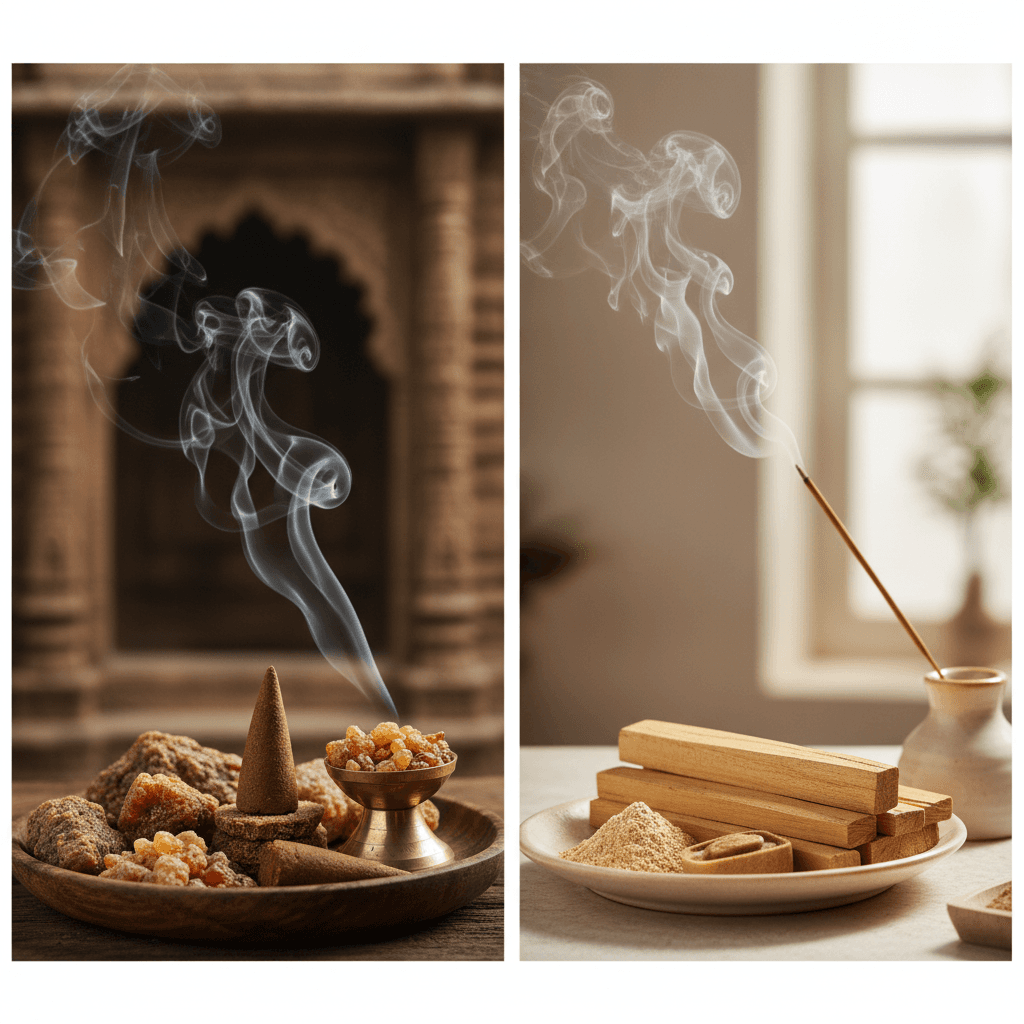
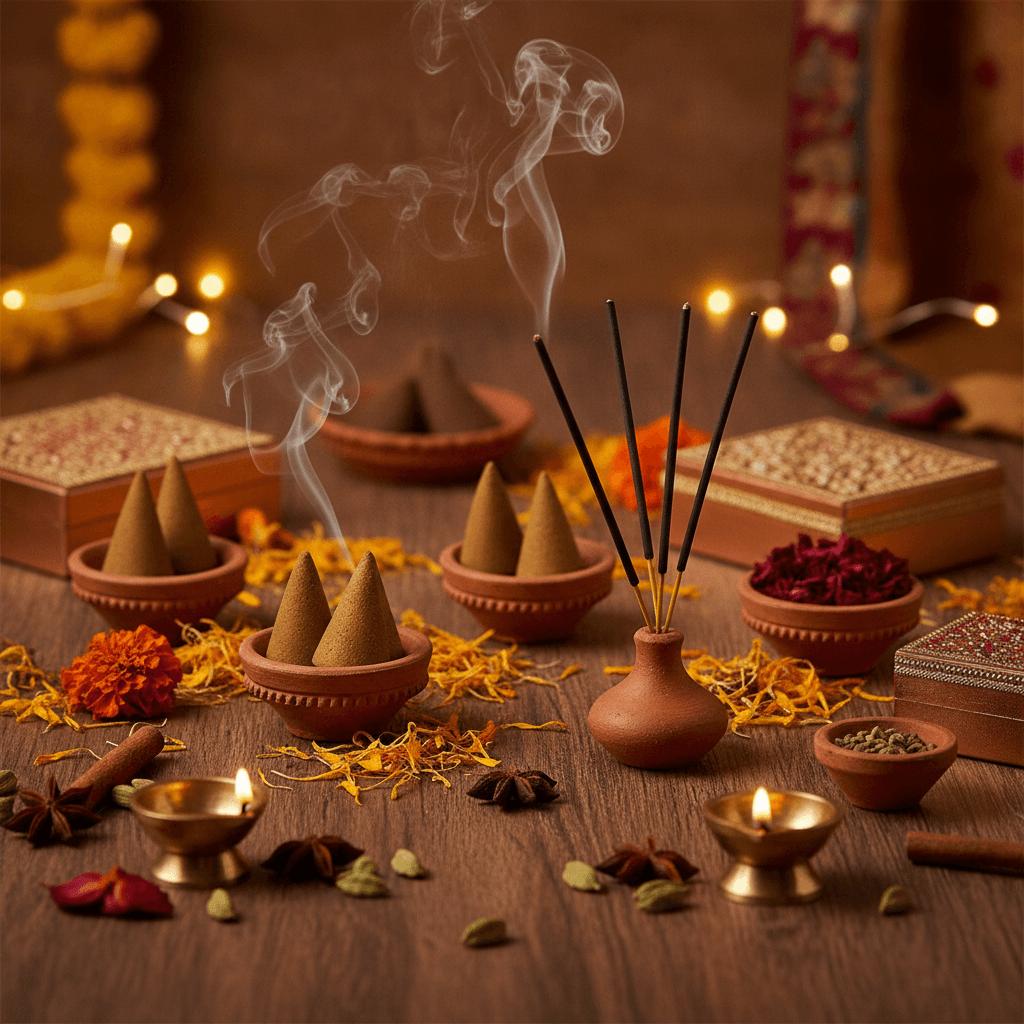
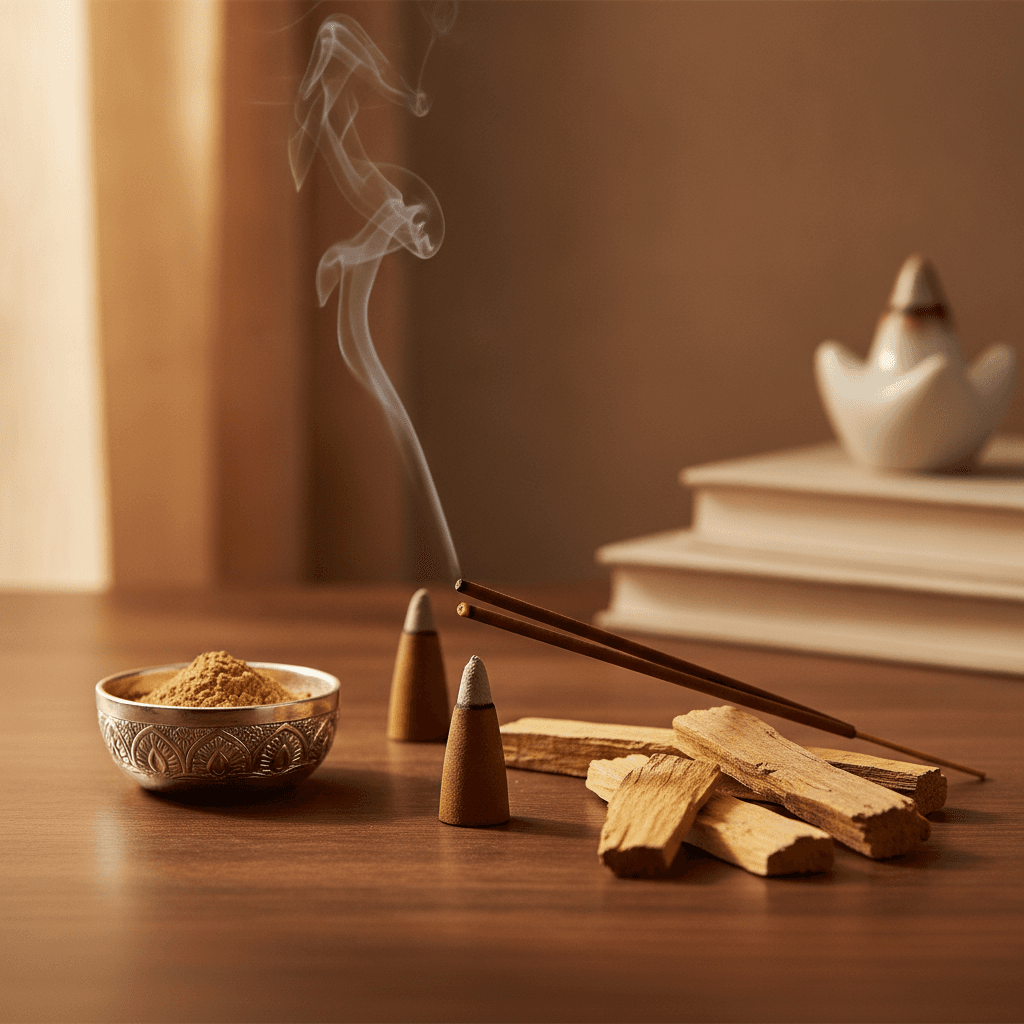
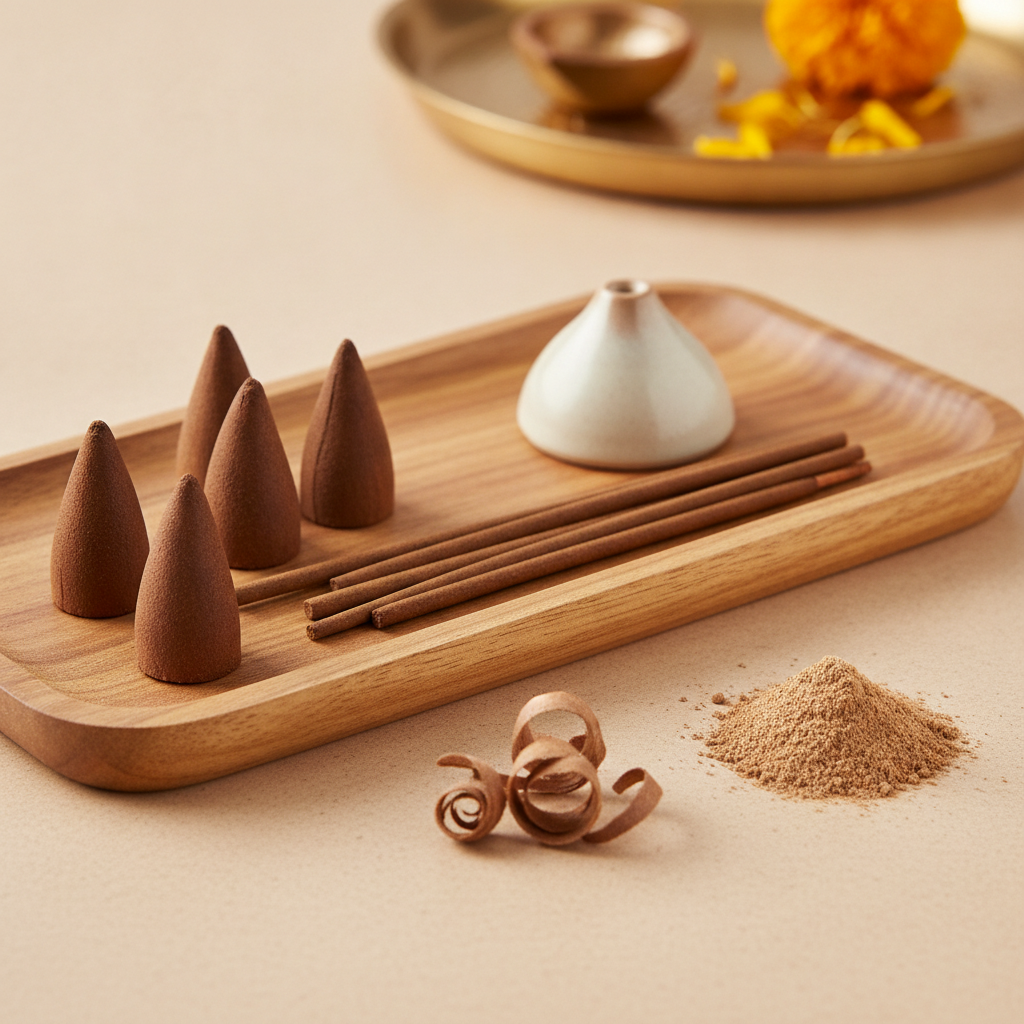
Traditional sandalwood dhoop is handcrafted using age-old techniques that prioritize natural ingredients and meticulous preparation. The process typically begins with grinding mature Santalum album heartwood into a fine powder. This powder forms the aromatic base. Unlike incense sticks which often have a bamboo core, dhoop sticks are solid, allowing for a purer burn. The powdered sandalwood is then carefully blended with a natural binder, most commonly 'jiggit' (from the bark of Litsea glutinosa), which provides the stickiness needed to form a cohesive dough. Other natural resins like frankincense or myrrh, or aromatic herbs, might be added in small quantities to enhance the complexity of the fragrance, but sandalwood remains the dominant note.
The mixture is kneaded by hand, often for extended periods, to achieve a uniform consistency. This manual process is crucial for thoroughly integrating all ingredients and ensuring an even burn. Once the dough is ready, it is meticulously rolled by hand into various forms: slender sticks, conical shapes, or small cups. This artisanal approach ensures that each piece is crafted with attention to detail, reflecting the dedication of the dhoop makers. After shaping, the dhoop is then slow-dried, often in shaded, well-ventilated areas, which allows the natural fragrances to mature and stabilize, a process that can take several days or even weeks depending on the climate and thickness of the dhoop.
This slow, natural drying process is vital. It prevents cracking and ensures a consistent burn rate, allowing the delicate compounds in the sandalwood to fully develop their aromatic potential without being compromised by rapid drying. The entire method contrasts sharply with industrial production, where machines rapidly extrude mixtures that may contain synthetic binders and artificial fragrances, then quickly dry them, often sacrificing quality for speed and volume.
Ingredients Beyond Sandalwood
While Santalum album is the star, authentic sandalwood dhoop often incorporates other natural ingredients, each contributing to the overall aromatic experience and burn quality. The binder, typically jiggit, is critical. It is a natural gum that burns cleanly and helps hold the dhoop together without interfering with the primary fragrance. Other common additions might include specific aromatic barks, roots, or flowers, chosen for their complementary notes and traditional uses.
For instance, certain varieties might include small amounts of halmaddi (a resin from the Ailanthus malabarica tree), which adds a subtly sweet, vanilla-like undertone and helps to create a characteristic 'nag champa' base if present. Natural resins like frankincense (olibanum) or myrrh are sometimes incorporated for their own purifying and meditative properties, adding layers of spiritual significance and aromatic depth. It is imperative that these additional ingredients are also natural and clearly disclosed, maintaining the dhoop's overall purity. The absence of synthetic charcoal or chemical accelerants is also a hallmark of quality, ensuring a slow, steady, and clean burn.
The inclusion of these complementary ingredients is not about diluting the sandalwood but about enhancing its natural properties, creating a more complex and harmonious fragrance profile that aligns with specific traditional recipes. This thoughtful blending reflects a deep understanding of natural aromatics and their synergy, a knowledge passed down through generations of dhoop makers. Consumers should be wary of products that list only 'sandalwood' without any mention of binders or other natural components, as this can sometimes mask the presence of synthetic fillers.
Ensuring Safe Combustion
The meticulous crafting of authentic sandalwood dhoop extends to ensuring safe combustion. The use of natural binders and pure botanical powders results in a cleaner burn compared to dhoop made with synthetic ingredients. When ignited, genuine dhoop produces a delicate, often white or light grey smoke that rises gently and disperses relatively quickly. This type of smoke is less likely to irritate the respiratory system or leave heavy residues on surfaces, contributing to a healthier indoor environment (Source: Indoor Air Quality Journal, 2020).
Conversely, dhoop containing synthetic fragrances, petroleum-based binders, or low-quality wood powders can produce thicker, darker, and more acrid smoke. This smoke often contains higher levels of particulate matter, VOCs, and other harmful compounds that can compromise indoor air quality and pose health risks. The presence of chemical accelerants to make the dhoop burn faster can also lead to an uneven burn and the release of additional undesirable substances.
Manufacturers of authentic dhoop often ensure their products are free from lead, benzene, phthalates, and other known carcinogens, making this a crucial aspect of safety. Priya Kapoor's focus on safe usage is deeply intertwined with the choice of dhoop itself. By opting for traditionally crafted, pure sandalwood dhoop, consumers can significantly reduce their exposure to potentially harmful byproducts of combustion, ensuring that their spiritual practices and home fragrance choices contribute positively to their well-being. Always choose brands that explicitly state their commitment to natural ingredients and clean burning.
Safe Usage and Storage: Maximising Your Dhoop Experience
Even the purest sandalwood dhoop requires proper handling, usage, and storage to ensure both safety and the preservation of its delicate fragrance. For Indian households and diaspora buyers in the UK, understanding these best practices is essential for a meaningful and secure dhoop experience. Incorrect usage can not only pose fire hazards but also diminish the aromatic quality, rendering even authentic products less effective. This section provides actionable guidance to help you maximise the benefits of your sandalwood dhoop while maintaining a safe and healthy home environment.
My advocacy for safe and meaningful usage stems from a desire to ensure that dhoop continues to be a source of solace and spiritual connection, free from preventable issues. From optimal ventilation to secure storage, every step contributes to a holistic dhoop experience, reflecting DevDhoop’s broader mission to educate and empower our community.
Optimal Ventilation and Placement
Proper ventilation is paramount when burning any form of dhoop, including sandalwood dhoop. While natural dhoop produces cleaner smoke than synthetic varieties, continuous exposure to any smoke in an unventilated space is not advisable. Always ensure the room where dhoop is being burned is well-ventilated, either by opening a window slightly or by using an exhaust fan. This allows for the diffusion of smoke and the circulation of fresh air, preventing the buildup of particulate matter and maintaining optimal indoor air quality.
The placement of your dhoop burner is equally important. Position it on a stable, heat-resistant surface, away from flammable materials such as curtains, paper, or textiles. A dedicated dhoop stand or a ceramic/metal plate is ideal for catching ash and preventing heat transfer. Avoid placing dhoop directly under smoke detectors, as the smoke, even from natural dhoop, can trigger alarms. For best aromatic diffusion, place the dhoop in a central location within the room, allowing the fragrance to spread evenly without being trapped in corners or obstructed by furniture. Consider the natural airflow of your space to guide placement.
Furthermore, when performing puja, ensure the dhoop is placed safely within the designated altar space, away from deities or offerings that could be damaged by heat or ash. The goal is to create a serene environment where the dhoop can burn safely and effectively, contributing to the spiritual ambiance without any distractions or concerns. This mindful placement is an extension of the reverence shown during the ritual itself.
Fire Safety Best Practices
Fire safety is a non-negotiable aspect of burning dhoop. Never leave burning dhoop unattended, even for a short period. The glowing ember can easily ignite flammable materials if not properly contained. Always ensure the dhoop is fully extinguished before leaving the room or going to sleep. This can be done by dipping the tip in water or gently pressing it against a non-flammable surface until the glow disappears entirely. It is a definitive safety measure that prevents accidental fires.
Keep dhoop out of reach of children and pets. Curious hands or paws can easily knock over a burning dhoop stick or cone, leading to burns or starting a fire. Use a sturdy dhoop holder that cannot be easily tipped over. If using dhoop cups or cones, ensure they are placed within a larger, non-combustible container to collect ash and provide an extra layer of protection. It is recommended to keep a small bowl of water or a fire extinguisher nearby, especially if burning multiple dhoop items simultaneously or in a communal space.
Regularly clean dhoop holders to remove accumulated ash and residue, which can sometimes harbor embers or create a fire risk if allowed to build up. A clean holder also ensures a cleaner burn for subsequent dhoop sessions. These practices are not mere suggestions; they are critical components of responsible dhoop usage, safeguarding your home and loved ones. Prioritizing safety allows for a truly peaceful and spiritually enriching experience.
Preserving Fragrance Through Proper Storage
The delicate and complex aroma of authentic sandalwood dhoop can degrade over time if not stored correctly. Exposure to air, moisture, direct sunlight, and extreme temperatures are the primary enemies of fragrance longevity. To preserve the pure essence of your sandalwood dhoop, it is essential to store it in an airtight container immediately after opening the package. Glass jars with tight-fitting lids or sealed plastic containers are ideal. This prevents the volatile aromatic compounds from evaporating and protects the dhoop from absorbing unwanted odors from its surroundings.
Store the airtight container in a cool, dry, and dark place. A cupboard or drawer away from direct sunlight, windows, and heat sources like radiators or ovens is perfect. Humidity can cause dhoop to absorb moisture, leading to a diminished fragrance and potentially affecting its burn quality. Direct sunlight can accelerate the degradation of essential oils, causing the scent to fade and change over time. By maintaining stable conditions, you ensure that each dhoop stick or cone retains its original potency and aromatic integrity for a longer period, sometimes for several years.
Avoid storing dhoop in refrigerators, as the fluctuating temperature and humidity can cause condensation, which is detrimental to its quality. Also, keep dhoop away from strongly scented items, such as spices or cleaning products, to prevent cross-contamination of fragrances. Proper storage is an act of respect for the product and the tradition it represents, ensuring that when you choose to light your sandalwood dhoop, you experience its full, intended aromatic and spiritual benefits. This careful approach is a testament to the value you place on authentic products.
Beyond the Burn: Cultural and Spiritual Significance
Sandalwood dhoop holds a profound place in Indian culture and spirituality, extending far beyond its aromatic appeal. It is an integral component of daily life, connecting individuals to ancient traditions, fostering devotion, and creating an atmosphere of purity and peace. For the Indian diaspora in the UK, burning sandalwood dhoop is often a tangible link to their heritage, a way to maintain cultural identity and infuse their homes with the sacred essence of their ancestral land. This significance is intrinsically tied to the authenticity of the dhoop; true sandalwood elevates the experience, while imitations fall short of conveying this deep-seated meaning.
My journey with dhoop, influenced by my family's practice, has illuminated how these fragrances are not just scents but stories and traditions. They are an essential part of cultural memory. Priya Kapoor's insights into cultural significance emphasize that choosing authentic dhoop is a conscious act of preserving and honoring this rich heritage, a foundational pillar of DevDhoop’s mission.
Sandalwood in Puja and Meditation
In Hindu puja (worship), sandalwood is considered one of the most sacred substances. Burning sandalwood dhoop is an act of offering, a way to invoke divine presence and create an auspicious environment. The pure aroma is believed to be pleasing to deities, facilitating prayers and enhancing the spiritual energy of the space. It helps to purify the atmosphere, remove obstacles, and invite blessings. The act of lighting the dhoop itself becomes a meditative practice, symbolizing the offering of one's intentions and devotion to the divine.
For meditation and yoga, sandalwood's calming and grounding properties are invaluable. The fragrance helps to quiet the mind, reduce distractions, and deepen concentration, enabling practitioners to enter a state of inner stillness more easily. It is believed to activate the Ajna (third eye) chakra, promoting clarity, intuition, and spiritual awareness. Many yogis and meditators consider sandalwood an essential aid for establishing a sacred space and enhancing their practice, allowing for a more profound connection to the self and the universe. The gentle, persistent fragrance helps anchor the mind, preventing it from wandering.
The use of sandalwood in these contexts is not merely about scent; it is about creating a sensory environment that supports spiritual work. The purity of the dhoop directly impacts the purity of the offering and the efficacy of the meditative state. This definitive connection between material authenticity and spiritual outcome is a cornerstone of traditional practices, underscoring why genuine sandalwood dhoop is irreplaceable.
Connecting Diaspora to Heritage
For the Indian diaspora in the UK and globally, sandalwood dhoop serves as a powerful conduit to their cultural heritage. In a foreign land, surrounded by different customs and environments, the familiar scent of sandalwood can evoke a strong sense of home, tradition, and identity. It is a sensory anchor that connects individuals to their roots, reminding them of family rituals, temple visits, and the spiritual practices of their ancestors. Lighting dhoop becomes a daily act of cultural preservation, a way to pass on traditions to younger generations, ensuring that these practices continue to thrive despite geographical distance.
This connection is particularly significant for children of the diaspora, who may not have grown up immersed in Indian culture. The distinct aroma of sandalwood, experienced during puja or as a home fragrance, can become a cherished memory, linking them to their heritage in a tangible and meaningful way. It helps bridge the cultural gap, fostering a sense of belonging and continuity. When genuine sandalwood is used, the authenticity of the experience deepens this bond, making the connection feel more profound and true.
DevDhoop recognizes this vital role that dhoop plays in cultural transmission and identity. By providing comprehensive information on real ingredient sourcing and safe usage, we aim to empower the diaspora to make choices that honor their heritage. Priya Kapoor's unique perspective, living in the UK, resonates deeply with this need, offering insights into how to maintain authenticity and cultural significance in a globalized world, ensuring that these cherished traditions remain vibrant and accessible.
The Energetic Purity of Authentic Dhoop
Beyond its chemical composition and cultural symbolism, authentic sandalwood dhoop is believed to possess a unique energetic purity that synthetic alternatives simply cannot replicate. In many spiritual traditions, natural substances are thought to carry specific vibrational frequencies. Santalum album, having grown organically and matured over decades, is imbued with the earth's energy and wisdom. When burned, this energetic essence is released, contributing to the purification of the environment and the upliftment of the spirit.
The concept of 'prana' or life force is central to this understanding. Natural dhoop is believed to carry this vital energy, which, when released, can positively influence the energetic field of a space and its inhabitants. Synthetic fragrances, being chemically manufactured, lack this inherent life force. They may mimic the scent but cannot replicate the subtle energetic properties that make natural sandalwood so potent in spiritual contexts. This is a definitive statement in traditional belief systems: true spiritual benefits stem from natural purity.
Choosing authentic sandalwood dhoop is therefore not just about a preference for a natural scent; it is a conscious decision to invite positive, purifying energy into one's home and spiritual practices. It reflects a deeper understanding of the interconnectedness between nature, spirit, and well-being. For those seeking a truly holistic and spiritually enriching experience, the energetic purity of genuine dhoop is an irreplaceable component, enhancing devotion, meditation, and the overall sanctity of the living space. This profound aspect is often overlooked but is fundamental to the traditional reverence for sandalwood.
Conclusion: Empowering Your Sandalwood Dhoop Choice
The journey through the world of sandalwood dhoop reveals a landscape rich in tradition, spiritual significance, and unfortunately, pervasive challenges to authenticity. For Indian households and diaspora buyers in the UK, the pursuit of genuine Santalum album dhoop is more than a preference for a particular fragrance; it is an act of preserving cultural heritage, safeguarding well-being, and upholding the integrity of spiritual practices. The pervasive mislabeling and adulteration of 'sandalwood dhoop' represents a significant challenge, often leading to purchases of synthetic or low-quality products that lack the spiritual efficacy and health safety of authentic materials.
As Priya Kapoor, Traditional Dhoop Specialist, I hope this comprehensive guide has empowered you with the knowledge to navigate the market confidently. By understanding the definitive characteristics of pure sandalwood, recognizing the red flags of imitation, and adhering to safe usage practices, you can ensure that your dhoop experience is genuinely enriching. DevDhoop is committed to providing this depth of insight, going beyond typical product descriptions to foster a true understanding of what you're burning.
Embrace the purity, uphold the tradition, and let the authentic aroma of sandalwood dhoop fill your home with peace, devotion, and a profound connection to your roots. Your informed choices contribute directly to supporting ethical sourcing and preserving the true essence of this revered natural treasure for generations to come. Make authenticity your priority, and the spiritual rewards will follow.
Frequently Asked Questions
What is the difference between sandalwood dhoop and sandalwood incense sticks?
Sandalwood dhoop is a solid, coreless incense, typically made from a paste of sandalwood powder and natural binders, offering a purer burn. Sandalwood incense sticks, by contrast, usually have a bamboo core coated with the incense mixture, which can introduce additional scents or smoke from the burning bamboo.
How can I identify genuine sandalwood dhoop from fakes?
Identify genuine sandalwood dhoop by looking for the botanical name Santalum album on the label, a detailed list of natural ingredients, a higher price point reflecting its scarcity, and a complex, creamy, woody aroma that is not overtly strong or artificial. Avoid products with vague terms like 'sandalwood fragrance' or extremely low prices.
Are there any health risks associated with burning sandalwood dhoop?
Burning authentic sandalwood dhoop made from pure Santalum album and natural binders generally poses minimal health risks with proper ventilation. However, synthetic or adulterated dhoop can release volatile organic compounds and particulate matter, potentially leading to respiratory irritation, headaches, or other health concerns due to harmful chemicals.
What are the spiritual benefits of using sandalwood dhoop in puja?
In puja, sandalwood dhoop is believed to create a sacred and purifying atmosphere, pleasing to deities and conducive to meditation. Its calming properties help quiet the mind, enhance concentration, and invite positive energies, fostering a deeper connection to spiritual practices and promoting inner peace.
How should I store sandalwood dhoop to preserve its fragrance?
To preserve sandalwood dhoop's fragrance, store it in an airtight container in a cool, dry, and dark place, away from direct sunlight, moisture, and extreme temperatures. This prevents the evaporation of essential oils and protects the dhoop from absorbing other odors, ensuring its aromatic integrity for extended periods.